CONNECTED BY TRAILS – How mountain biking can support rural development through a systemic approach!
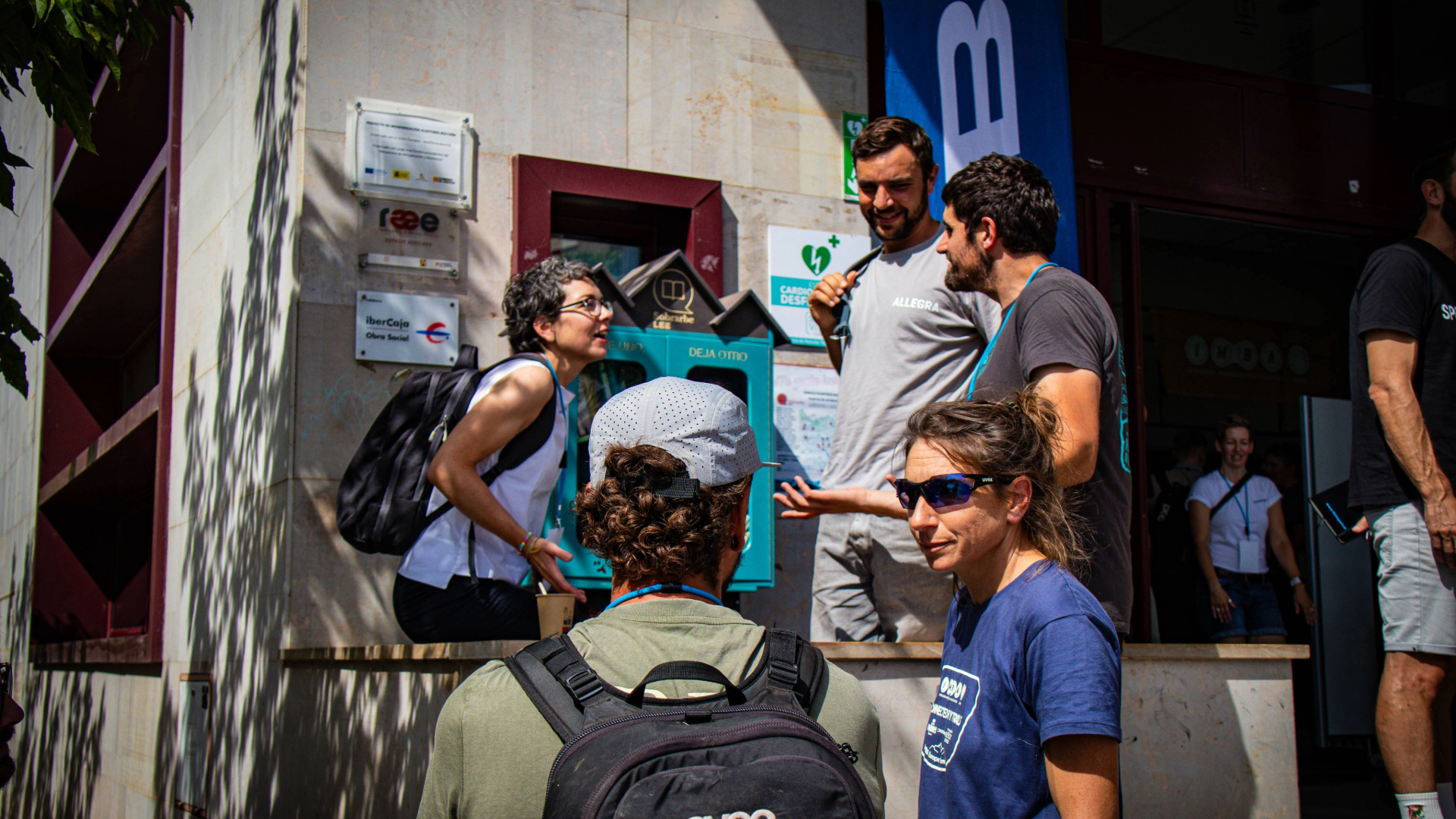
This year's motto of the IMBA Europe Summit in Boltana, Spain. Representatives from across Europe and beyond came together—from trail builders to destinations to policymakers—and asked themselves one central question:
"How can mountain biking promote the development of rural areas – economically, socially and ecologically?
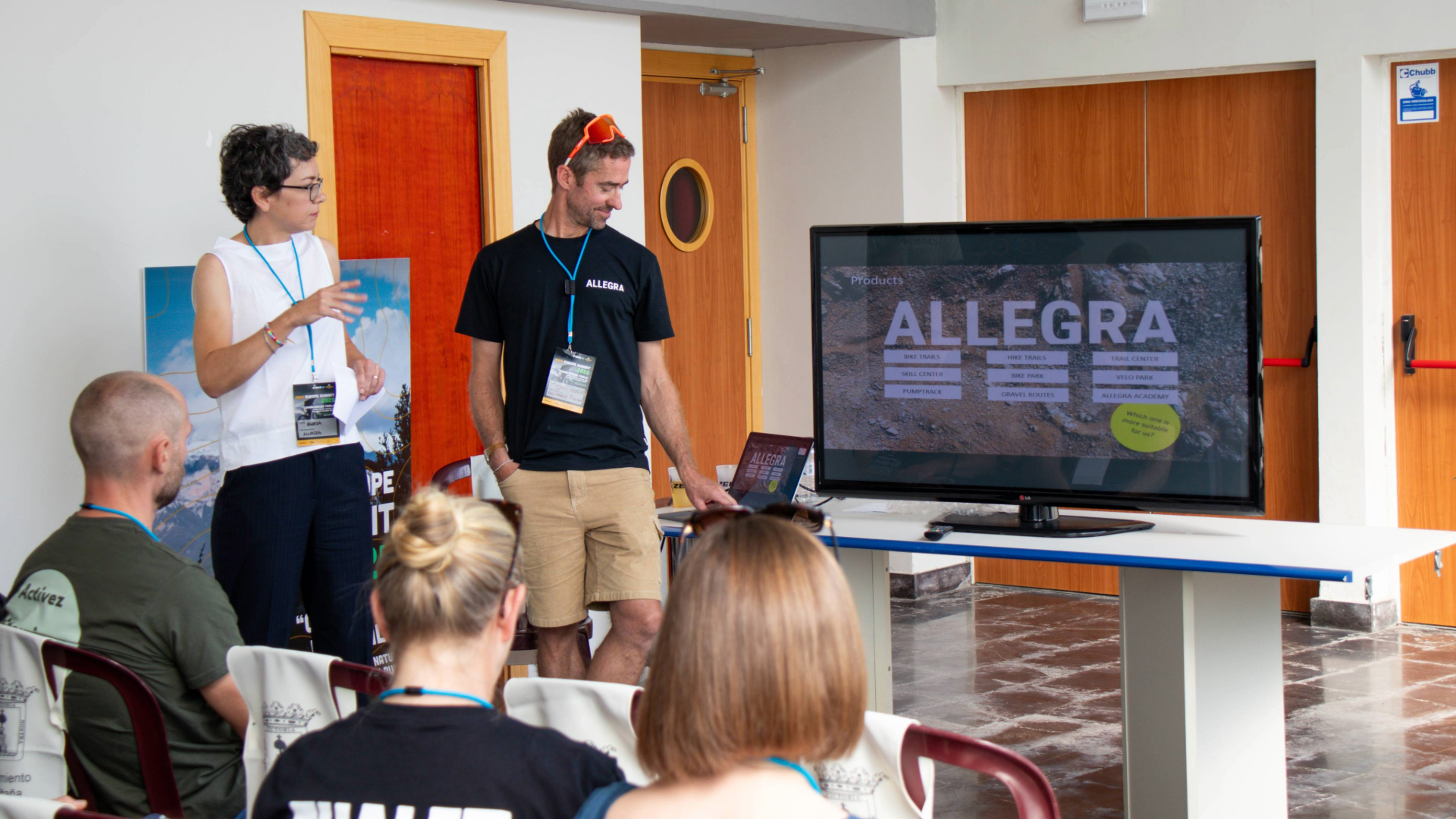
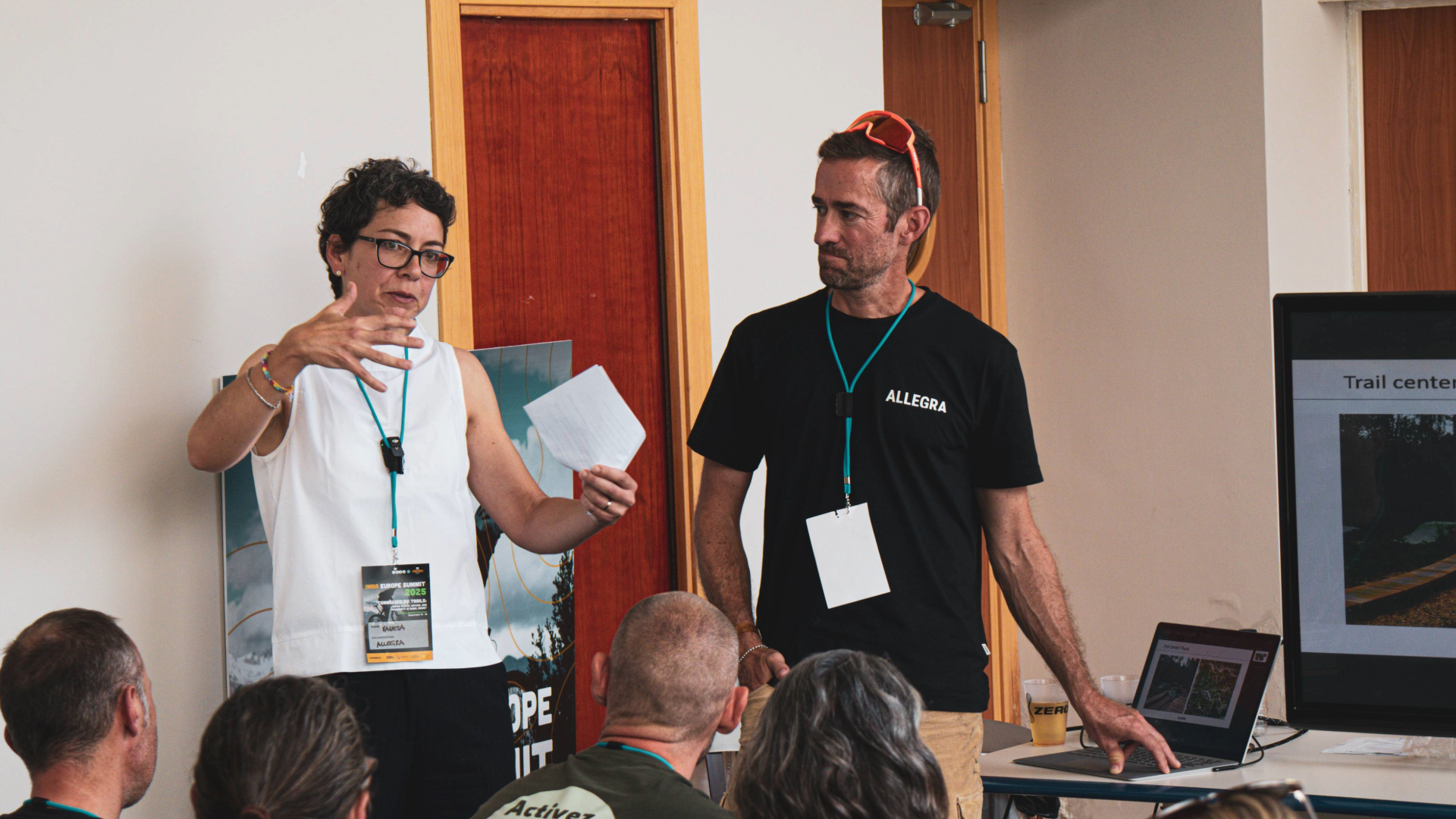
Our project managers Vanessa Gorgal and Sam Morris were invited due to their expertise in this topic and held the workshop «Return on Adventure: Exploring the Impact of Regional MTB Investments.»
ALLEGRA'S TOP 6 REASONS FOR MTB INVESTMENT:
THE RETURN ON ADVENTURE
1. The bicycle is gaining importance
Social megatrends such as health, sustainability, and urban mobility are driving the growth of bicycles. Cycling is not just a leisure activity, but part of a new lifestyle—and is thus gaining prestige and social relevance.
2. MTB sales remain high in the long term
The industry has experienced enormous growth in recent years. While the extreme boom from the pandemic period has somewhat normalized, the level remains significantly higher than in previous years. Demand is therefore sustained in the long term—a strong signal for the future viability of the sport.
3. Economic effects for mountain regions
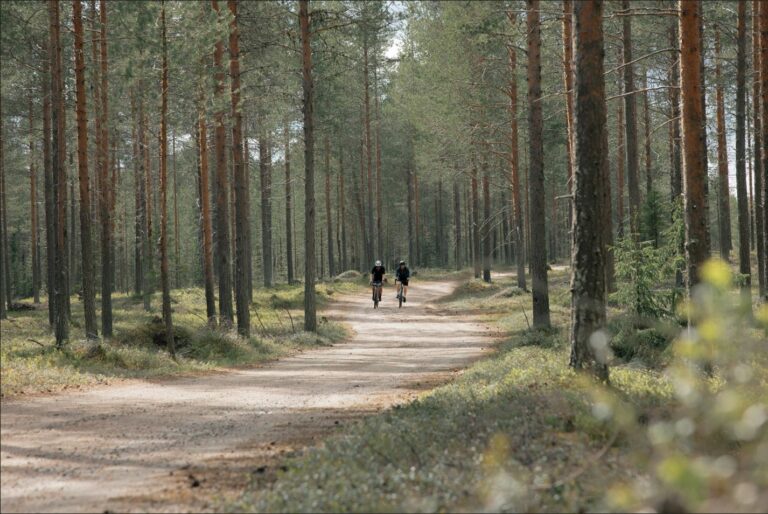
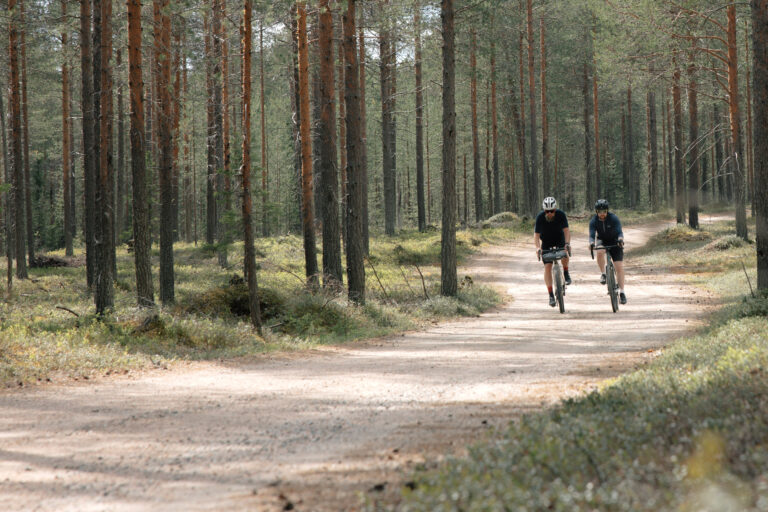
Mountain bike tourism creates significant added value: overnight stays, restaurants, sports retail, and jobs. Mountain and peripheral regions benefit greatly, as mountain biking brings guests to regions that are often less visited.
4. The right guests: purchasing power & sustainability
Mountain bikers spend above-average amounts of money on equipment, accommodation, and regional offerings. At the same time, they are increasingly concerned with environmental compatibility and sustainability. This makes this target group particularly attractive for destinations that prioritize quality over quantity.
5. Appropriate visitor flows instead of mass tourism
Smaller destinations in particular benefit from the qualitative demand that mountain biking generates: smaller, but higher-quality guest flows. This not only translates into higher added value per guest, but also greater environmental and social sustainability.
6. Differentiation and year-round use
Mountain biking offers crucial diversification for ski resorts. Summer activities reduce dependence on the weather, stabilize business models, and ensure year-round use. Successful examples from the Alps and Scandinavia demonstrate that mountain biking is a reliable pillar of tourism development.



The "Return on Adventure" is built on three central elements: trails, services, and identity. A successful mountain bike destination is more than just a well-developed network of trails. Only well-thought-out infrastructure (trails), complementary services (services), and an authentic local identity (identity) create long-term loyalty, sustainable added value, and an experience that goes beyond mere numbers.
MORE THAN NUMBERS: THE TRUE RETURN ON ADVENTURE
The effects of mountain biking cannot yet be measured in concrete numbers. Mountain biking promotes social interaction, health, and personal development – aspects that are equally important for the long-term development of regions.
At the same time, it's clear that you don't have to wait for hard numbers to see the benefits. The six advantages outlined above illustrate how mountain bike investments sustainably strengthen regions and open up new opportunities – be it for economic stimulus, social cohesion, or ecological responsibility.
Mountain biking thus becomes a true "return on adventure": It connects people, creates experiences, and contributes to regions benefiting beyond mere numbers. Those who seize this opportunity are investing not only in infrastructure, but also in the quality of life, community, and the future of their region.
Create added value and strengthen regions with mountain biking!
Do you want a mountain bike strategy for your destination? New and fresh trails for a broader target audience? Or do you want to know how many people are using your trails?
Then contact our tourism planning and development experts – we look forward to hearing from you.