In Flims, the first day focused on MTB trail network planning, new difficulty levels, and beginner-friendly options like the Foppa Style Trail. The second day, in Churwalden and Lenzerheide, was dedicated to the maintenance of shared trails, coexistence measures, and the learning lab for beginners. The practical examples provided insights into the work being done on the ground and offered opportunities for exchange among the participants.
Experts from cantons, municipalities, associations, and the fields of transport, forestry, and tourism participated. Technical presentations, site visits, and concrete examples from practice led to interesting discussions. We'll take you back to two varied and engaging days of study.
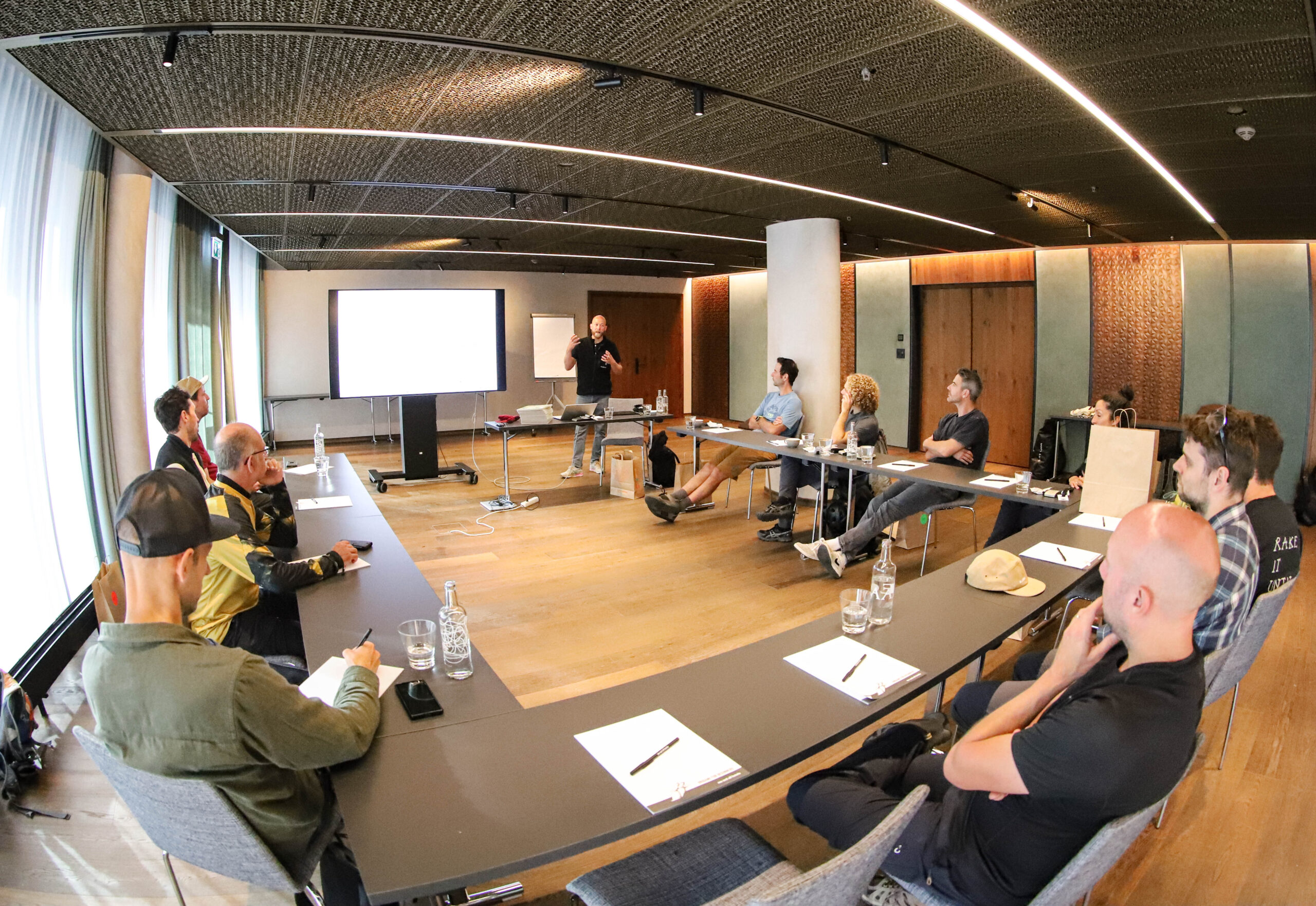
Day 1
Enforcement aid Road network planning, green trails and monitoring in Flims
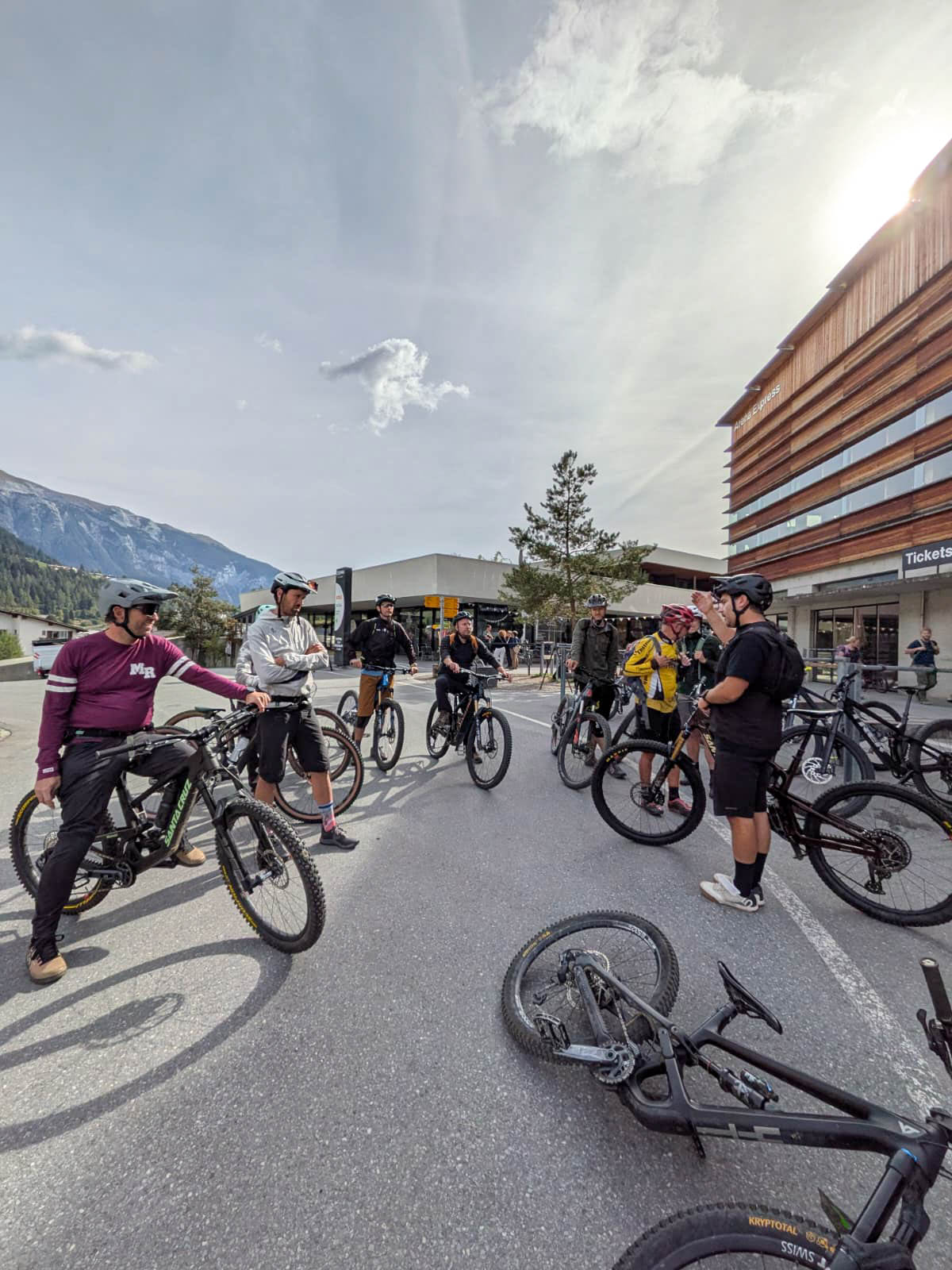
The first day of the study began with an overview of Flims' bike strategy. Jascha Schmid, Managing Director of FLFM, spoke over coffee about the experiences of recent years and how the bike offerings in the destination have developed.
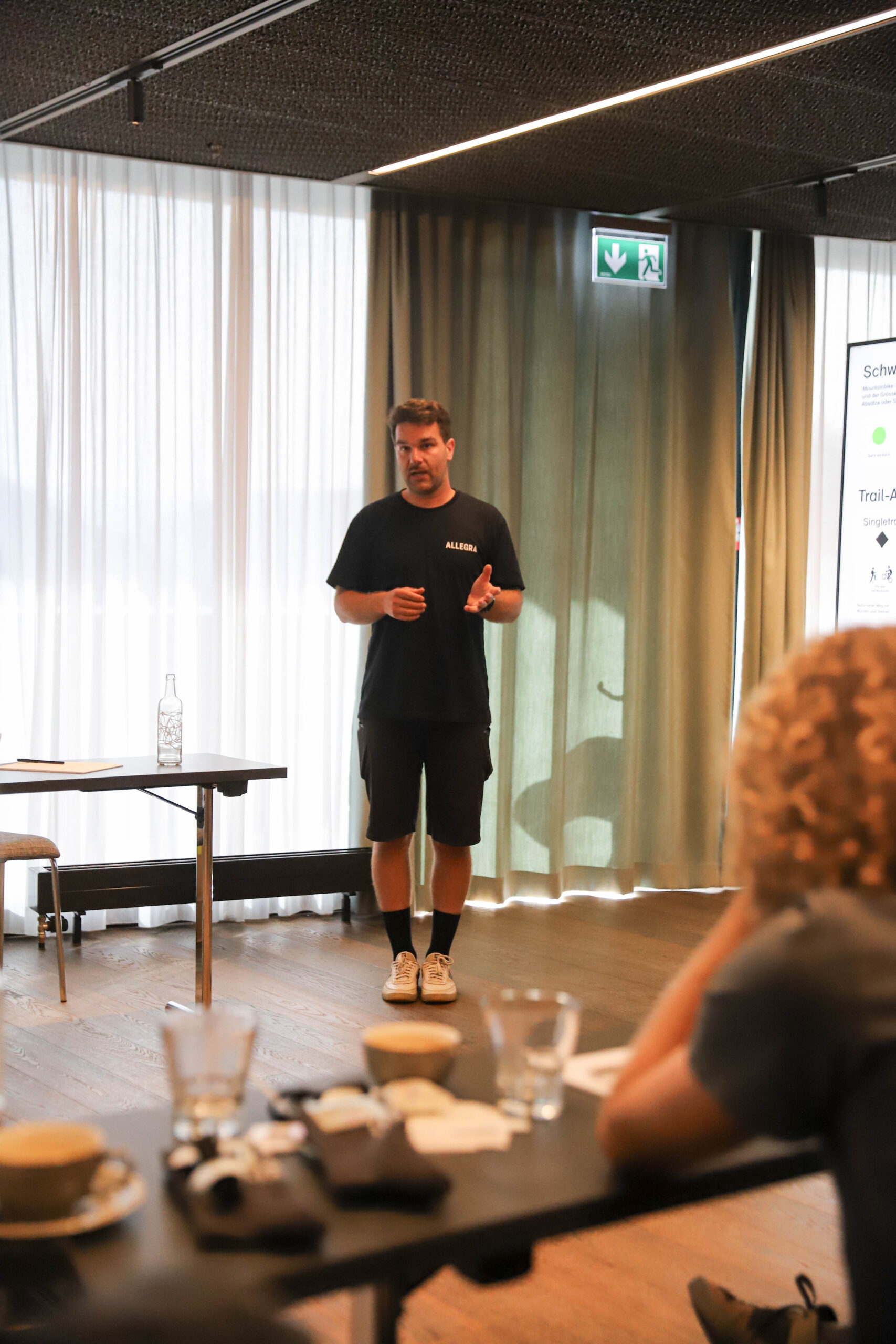
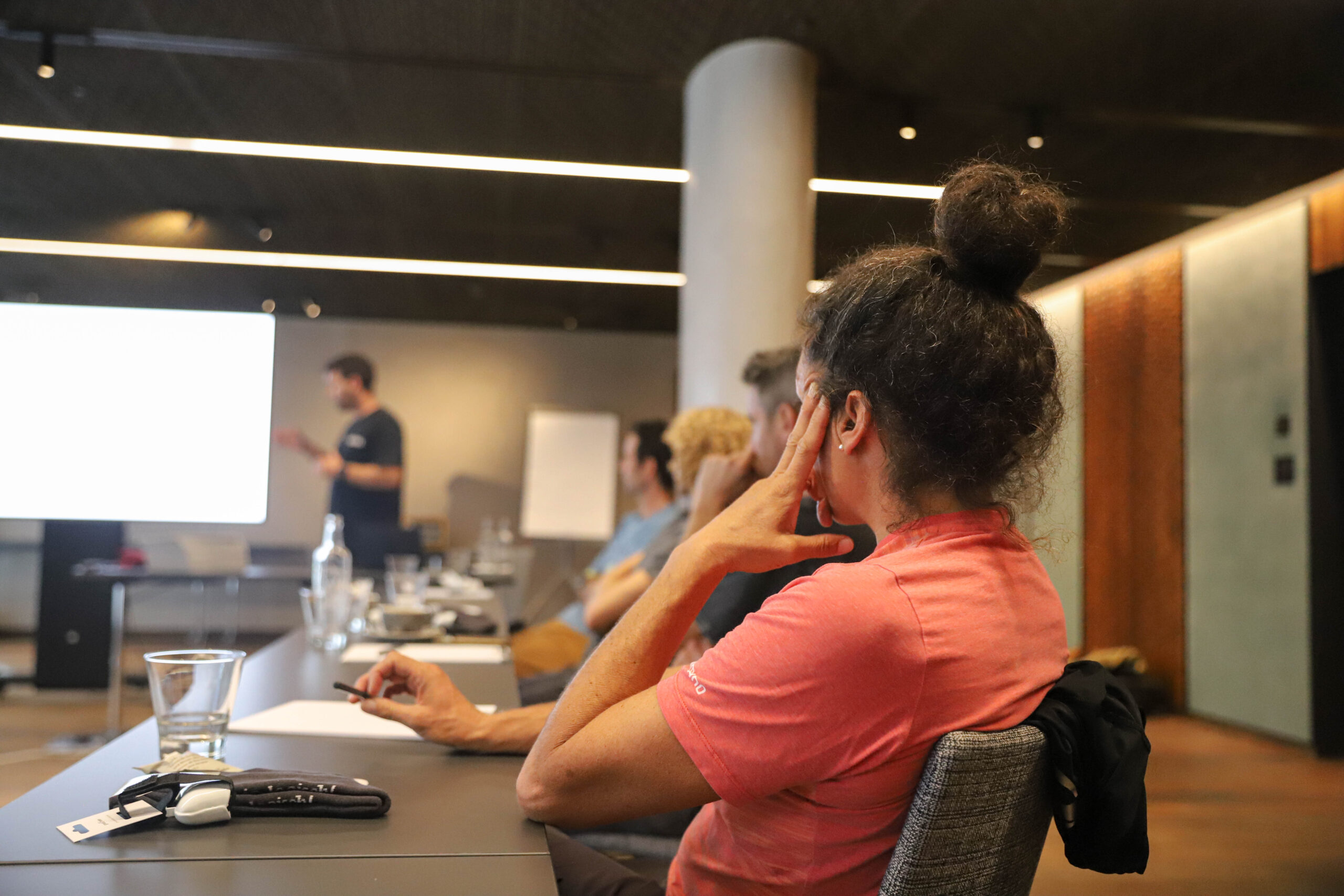
The focus then shifted to the new implementation guidelines for mountain bike trail network planning and the revised difficulty levels. Flurin and Lukas placed the changes within the context of planning and implementing bike infrastructure. Both had been involved in developing the new difficulty levels and were able to contribute their experience directly to the discussion.
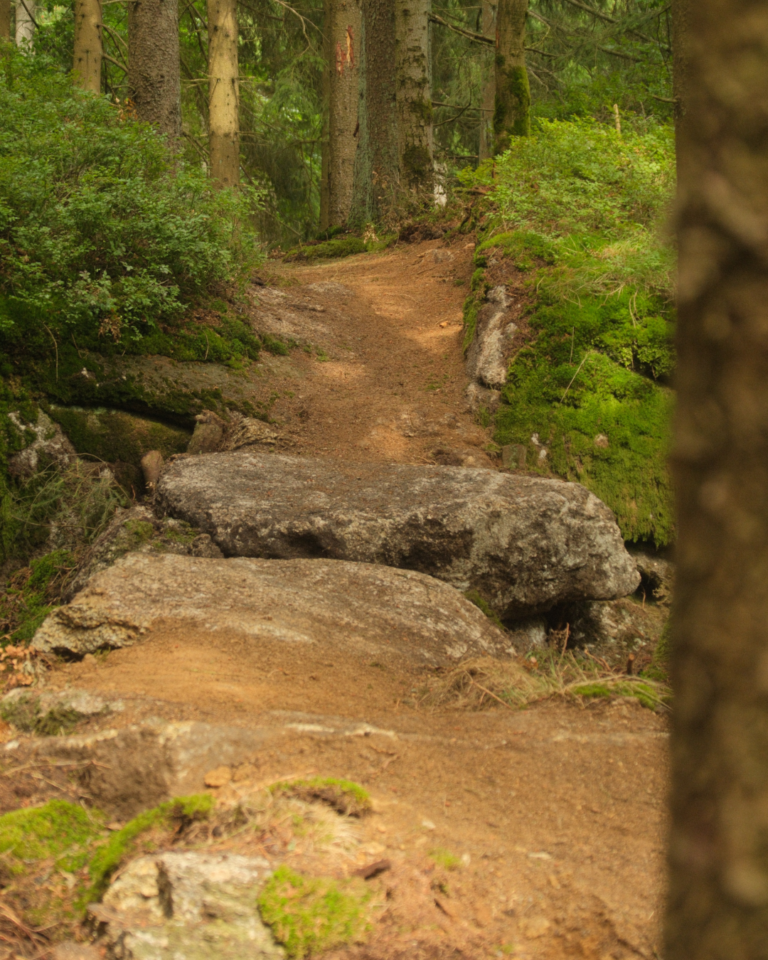
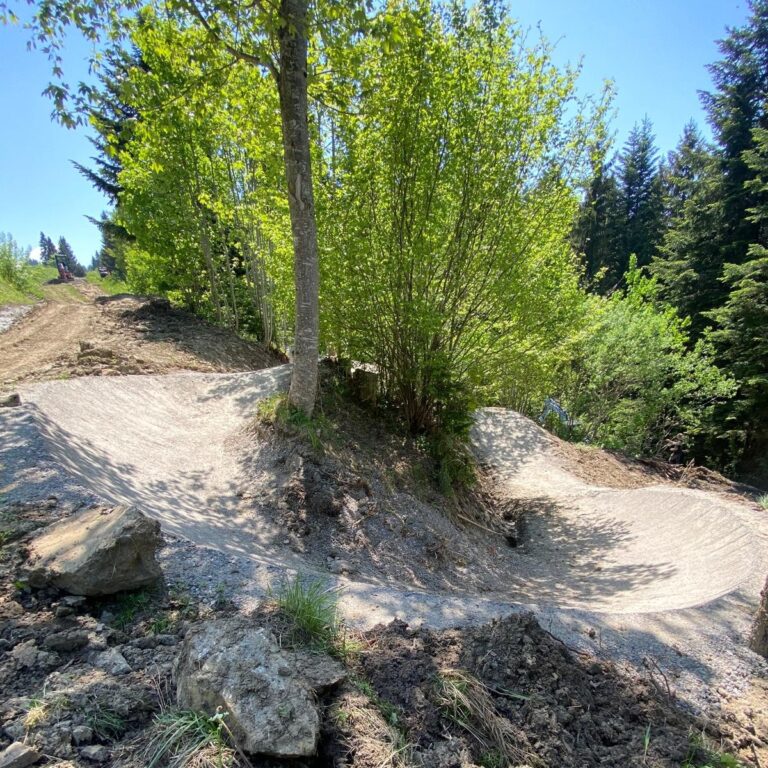
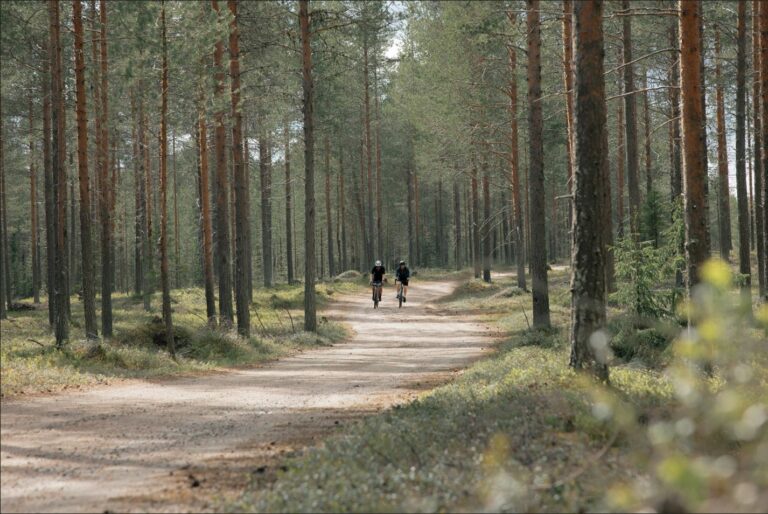
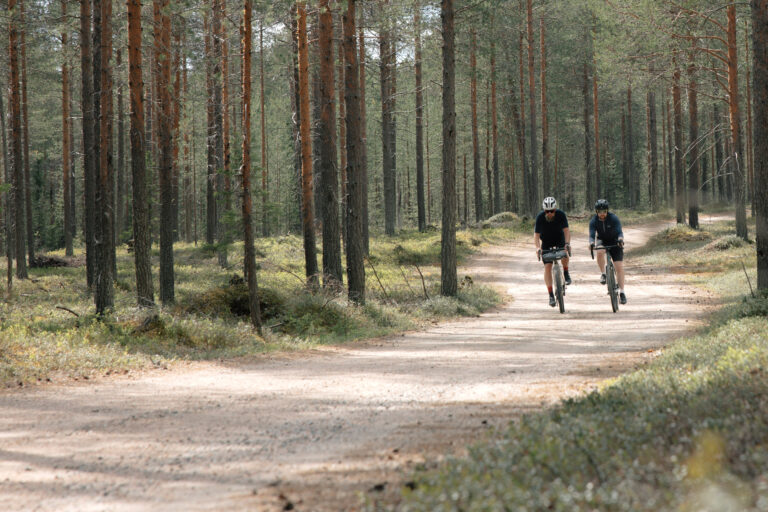
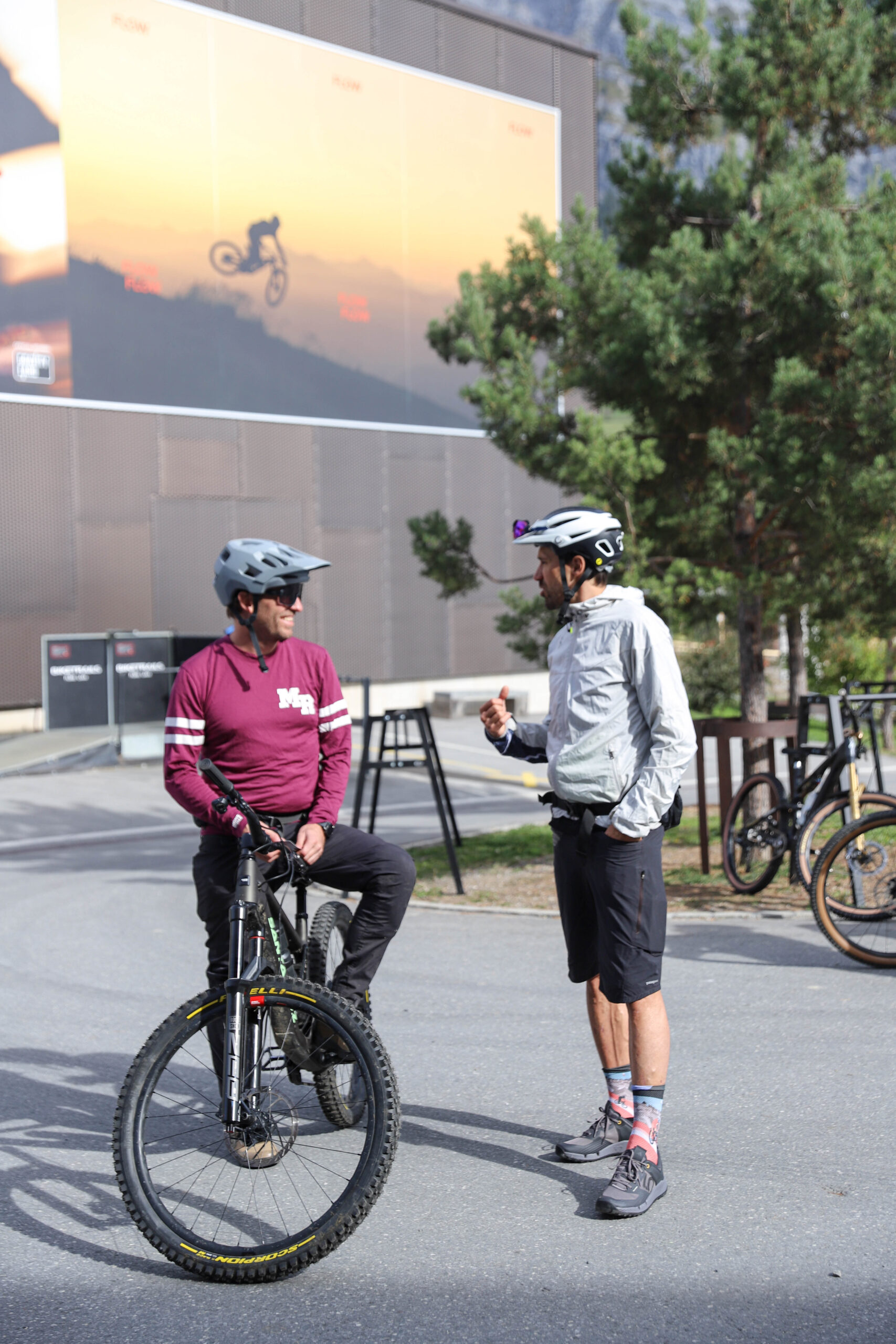
Afterwards, we headed out on our bikes to the Foppa Style Trail, which ALLEGRA built in the summer of 2025. Designed as a green trail, it's aimed at beginners. However, even a seemingly simple trail places high demands on planning and construction: it needs to be accessible, not too steep, and must simultaneously comply with spatial planning regulations. After the first season with heavy use, it was particularly interesting to discuss the experiences on-site and see how the trail was being received.
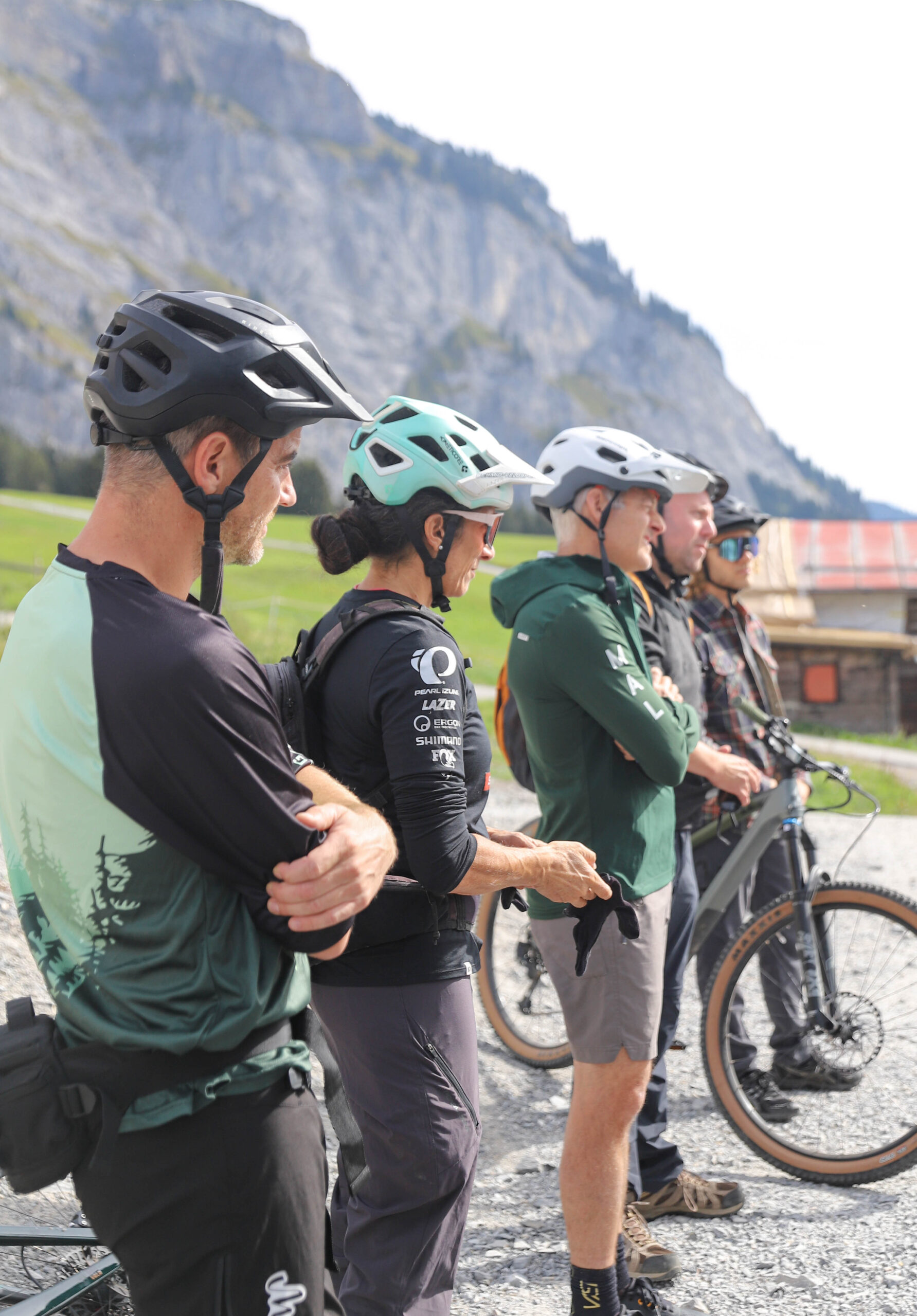
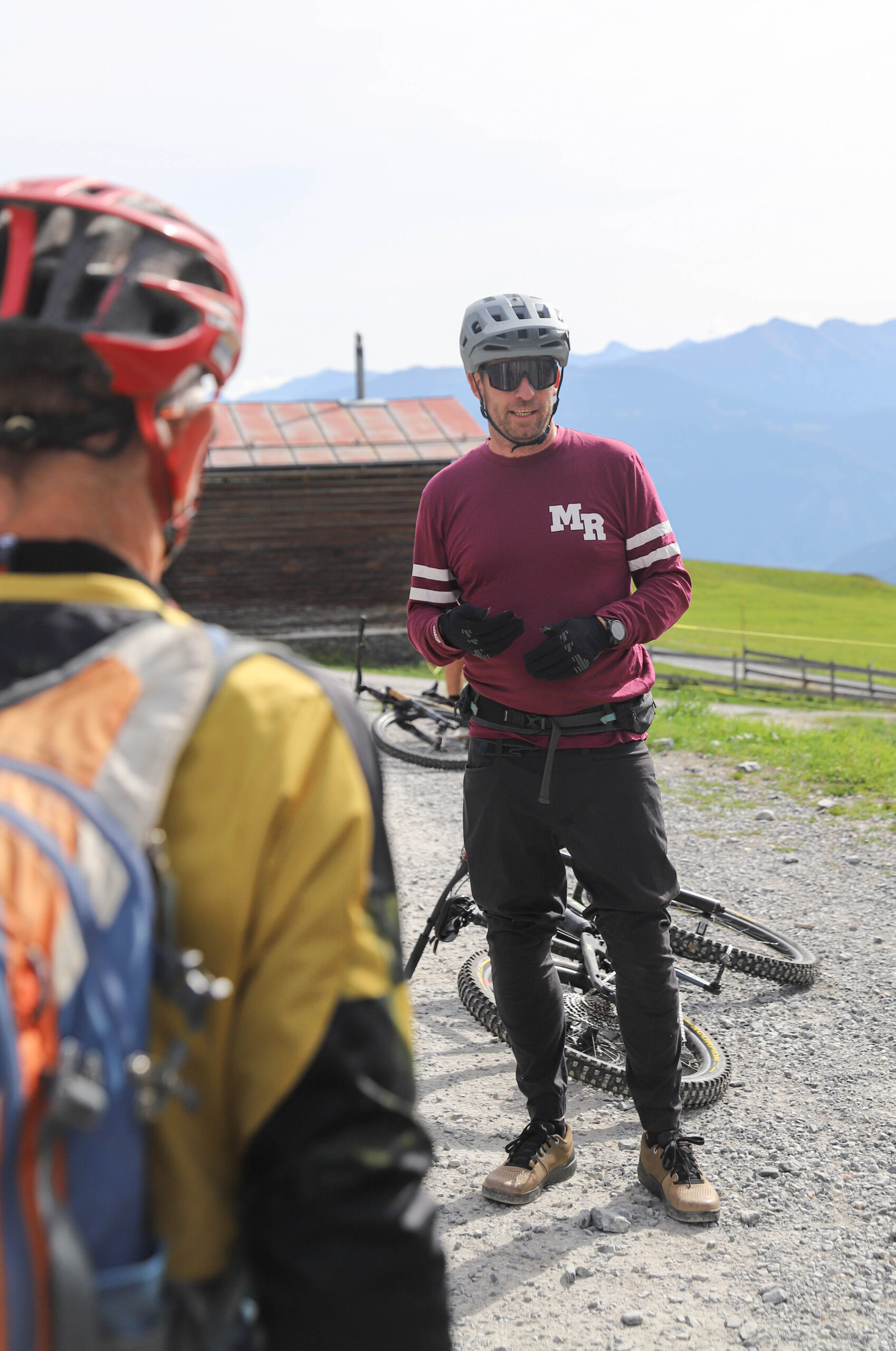
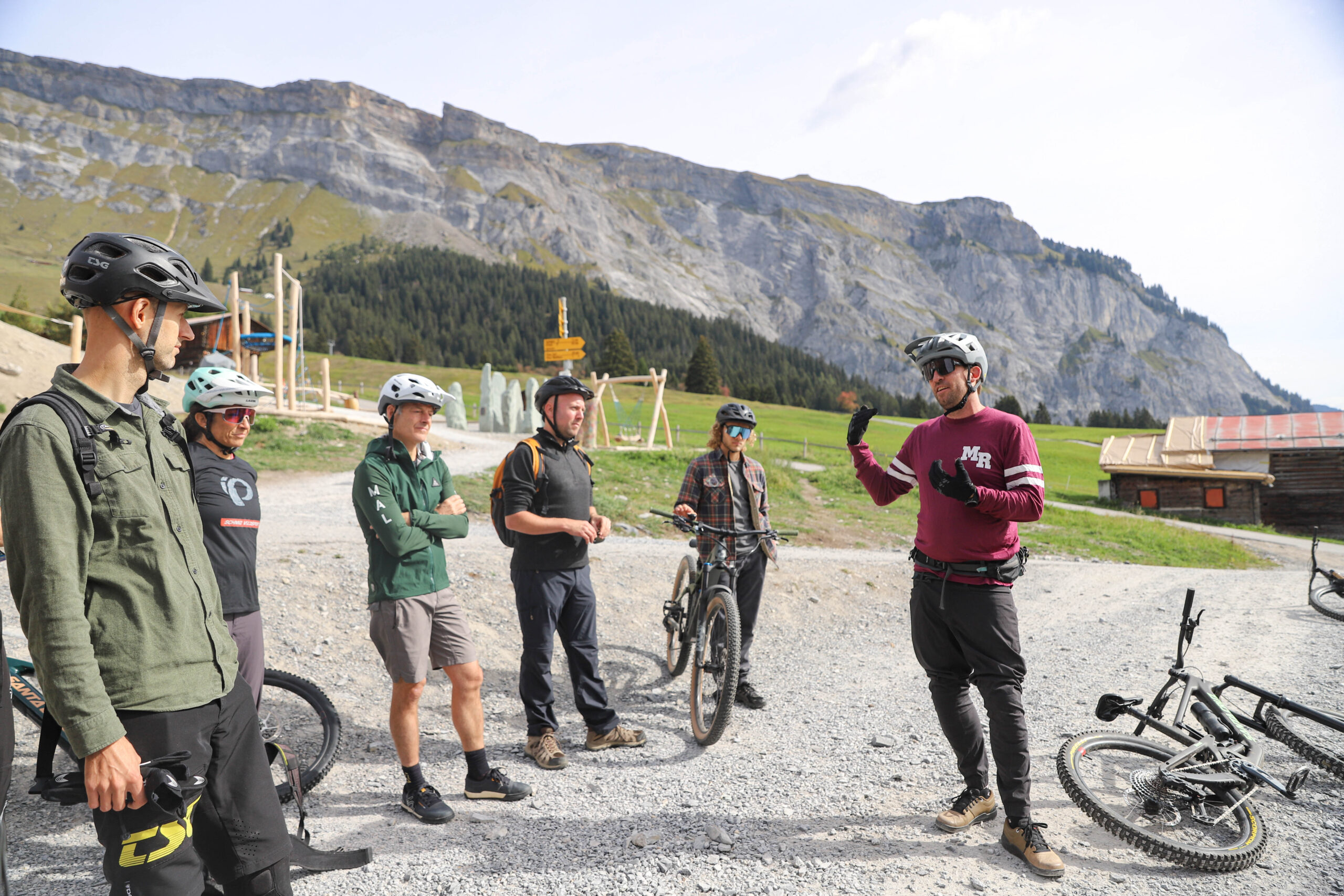
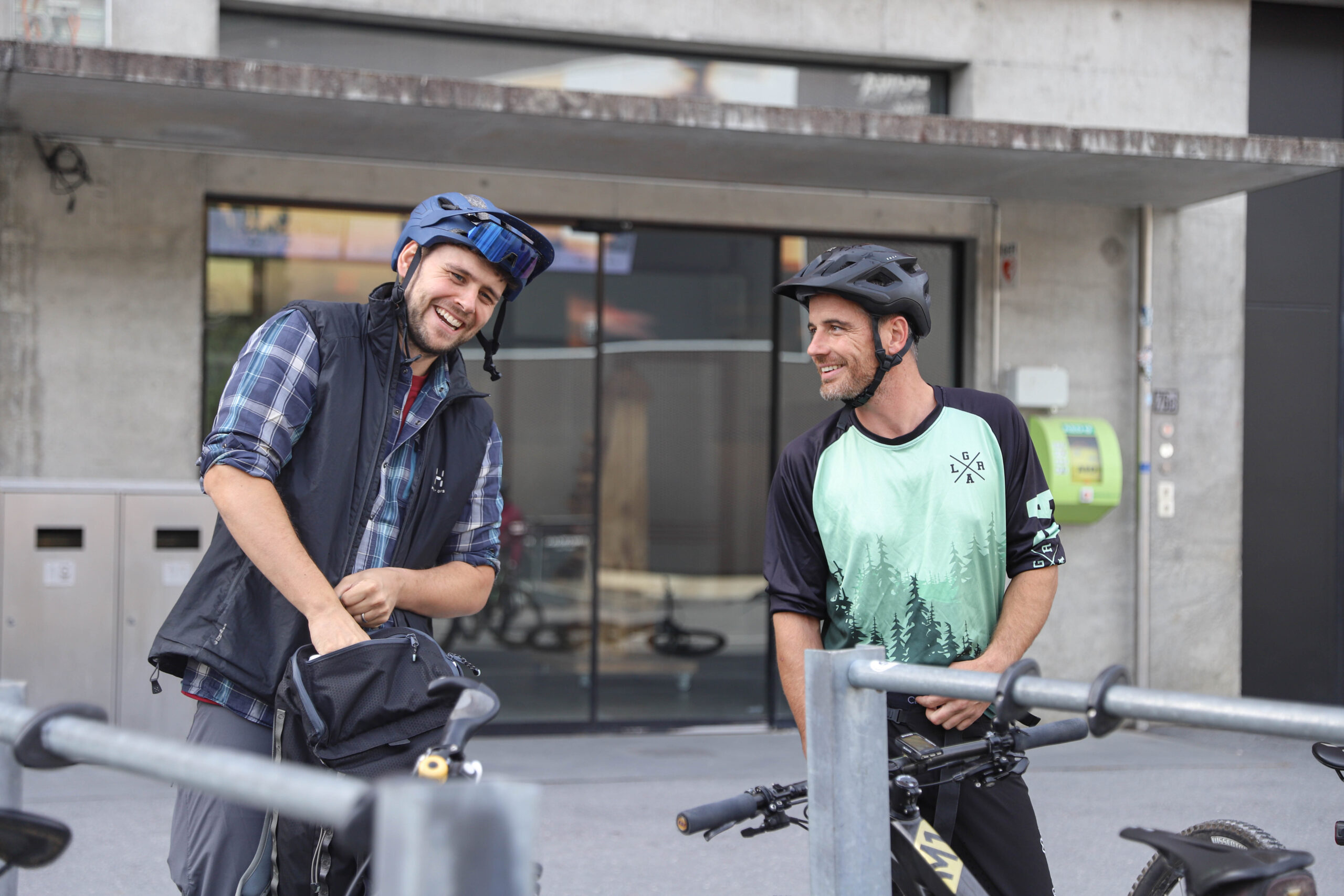
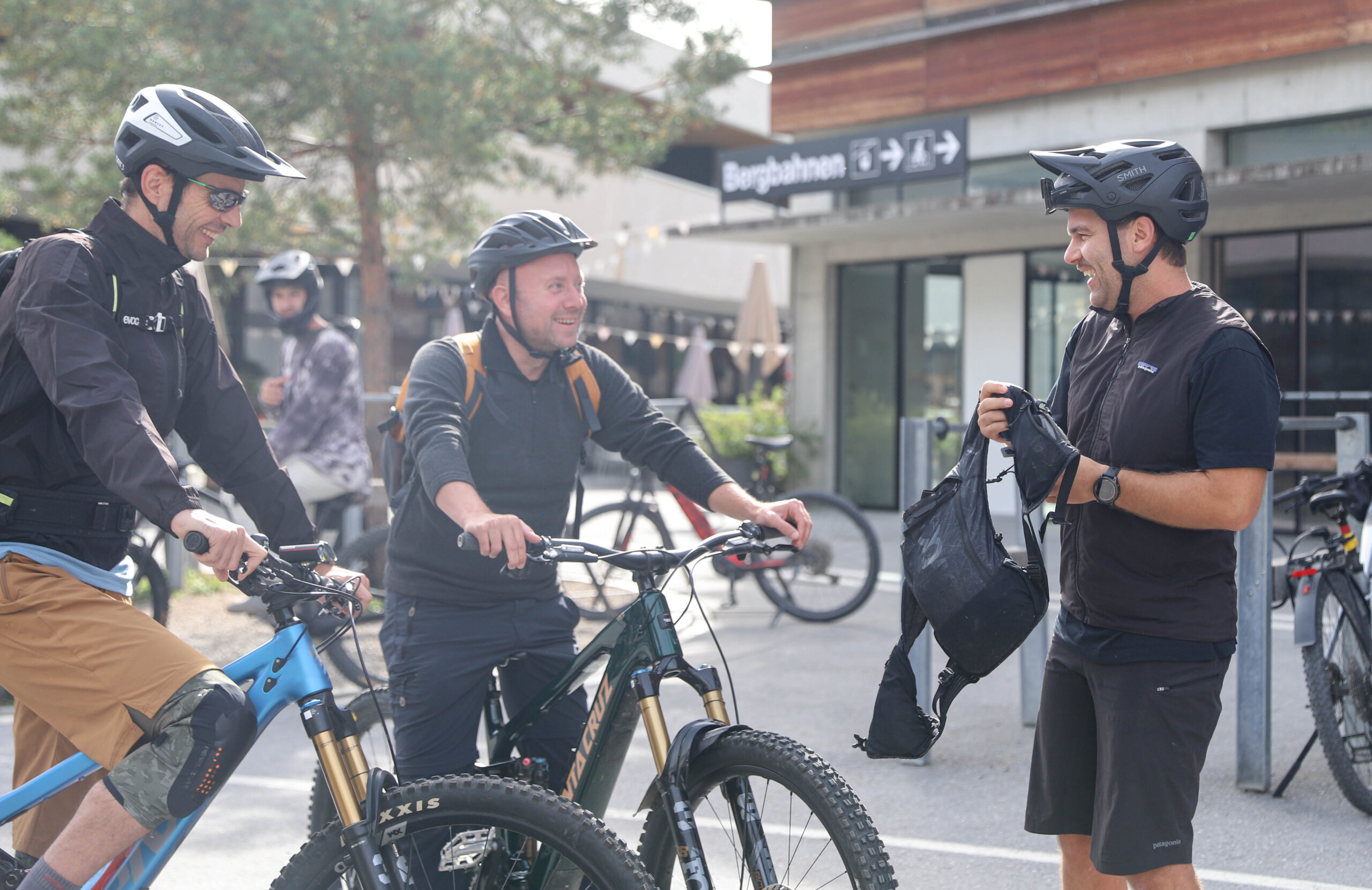
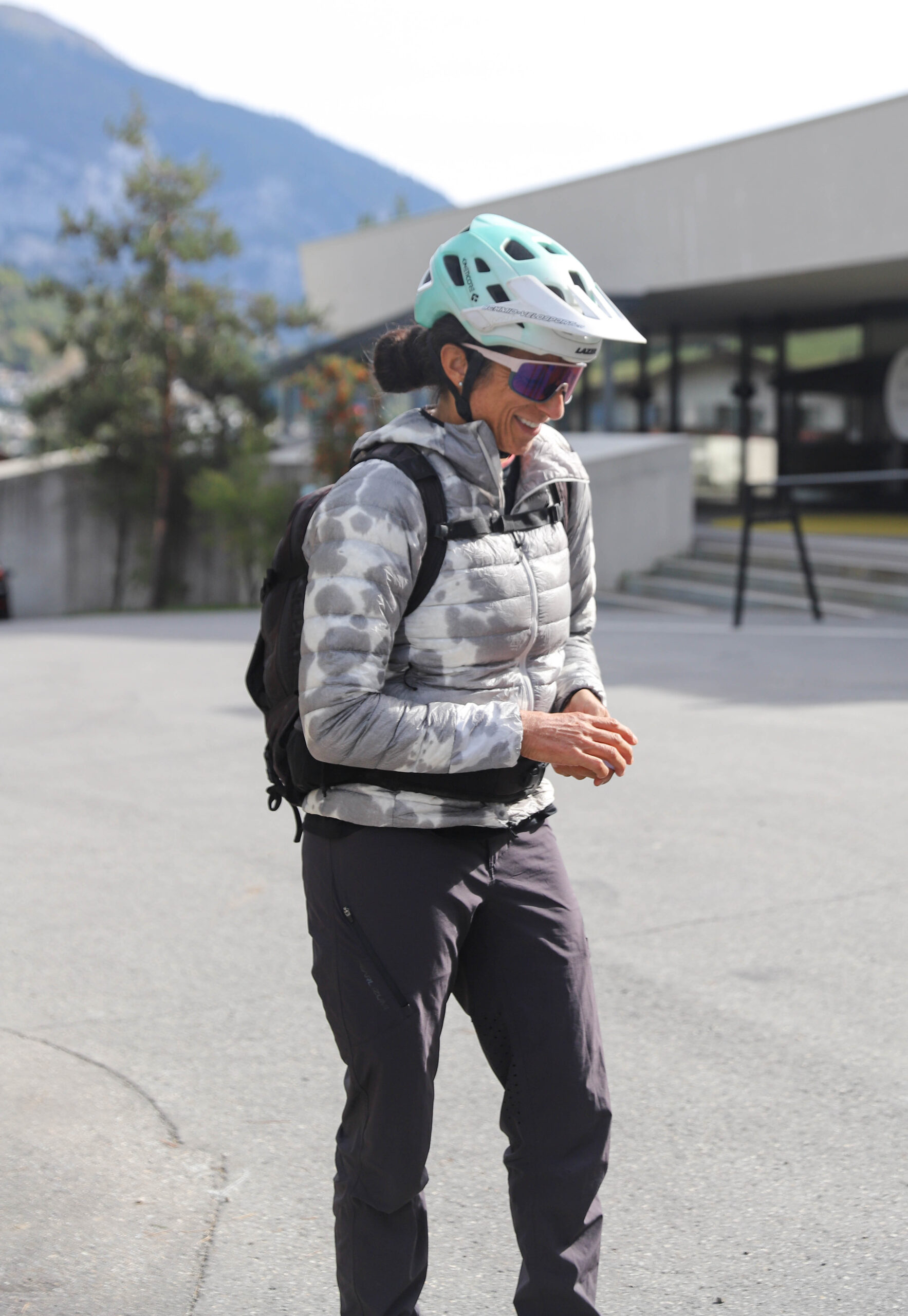
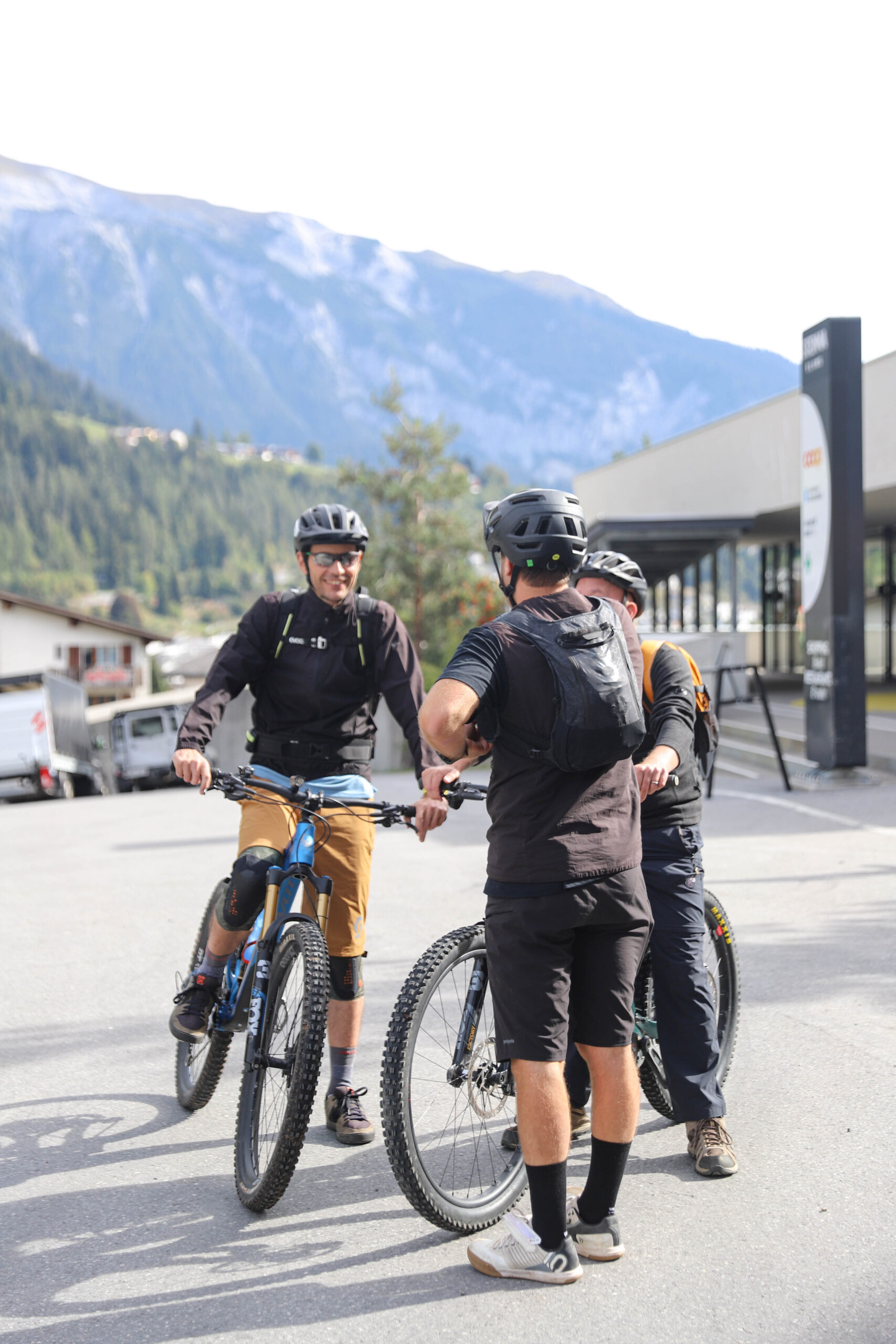
In the afternoon, the tour led to the Runca Trail. There, the participants examined the different difficulty levels and their implementation. The signage was also closely scrutinized directly on the trail. Being on-site makes it especially clear what is important for classification and marking.
Another focus was monitoring. Hybrid frequency measurement demonstrated how different measurement methods can be combined and what insights this provides for the planning and subsequent operation of trail networks. The analysis of frequencies since the construction of the Foppa Style Trail was particularly interesting. Current monitoring shows that the new trail is attracting additional users and that overall frequencies have increased. Shifts in frequencies related to changes in the trail's offerings were also discussed. The data further indicates that attractive trails contribute to guiding users, while simpler trails tend to have particularly high frequencies.
To conclude, Kevin presented Fairtrail Graubünden over coffee and cake. The subsequent discussion focused on how raising awareness and communication can contribute to better coexistence on shared trails. The experiences from other cantons and the different challenges and solutions were particularly interesting.
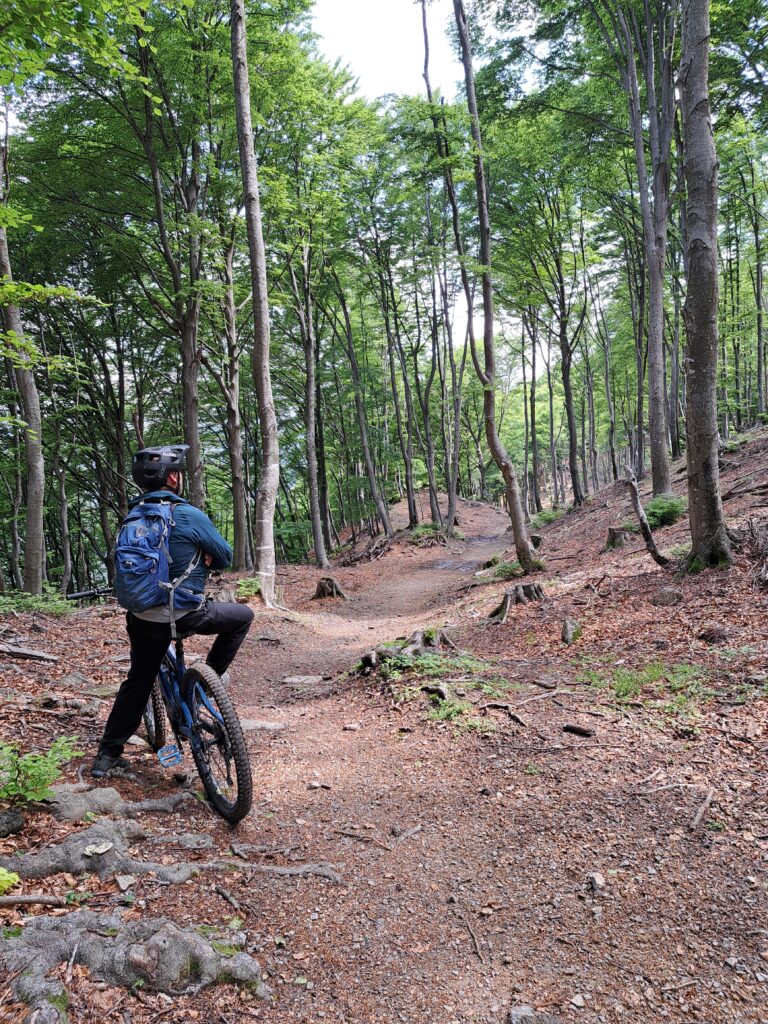
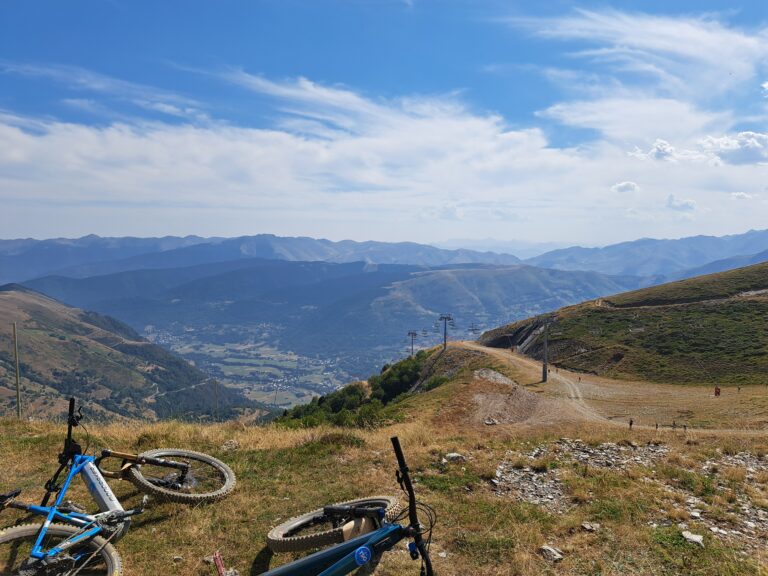
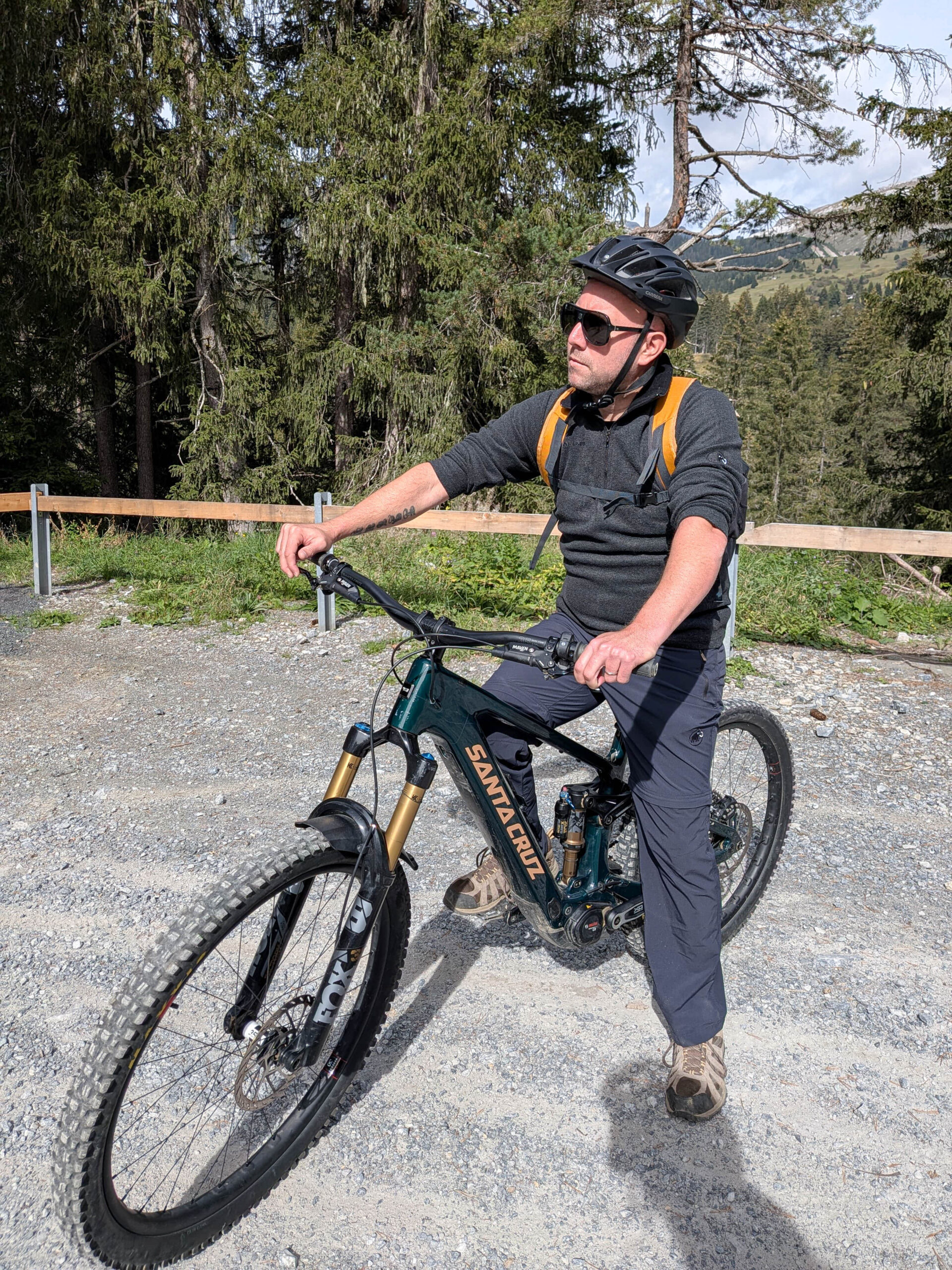
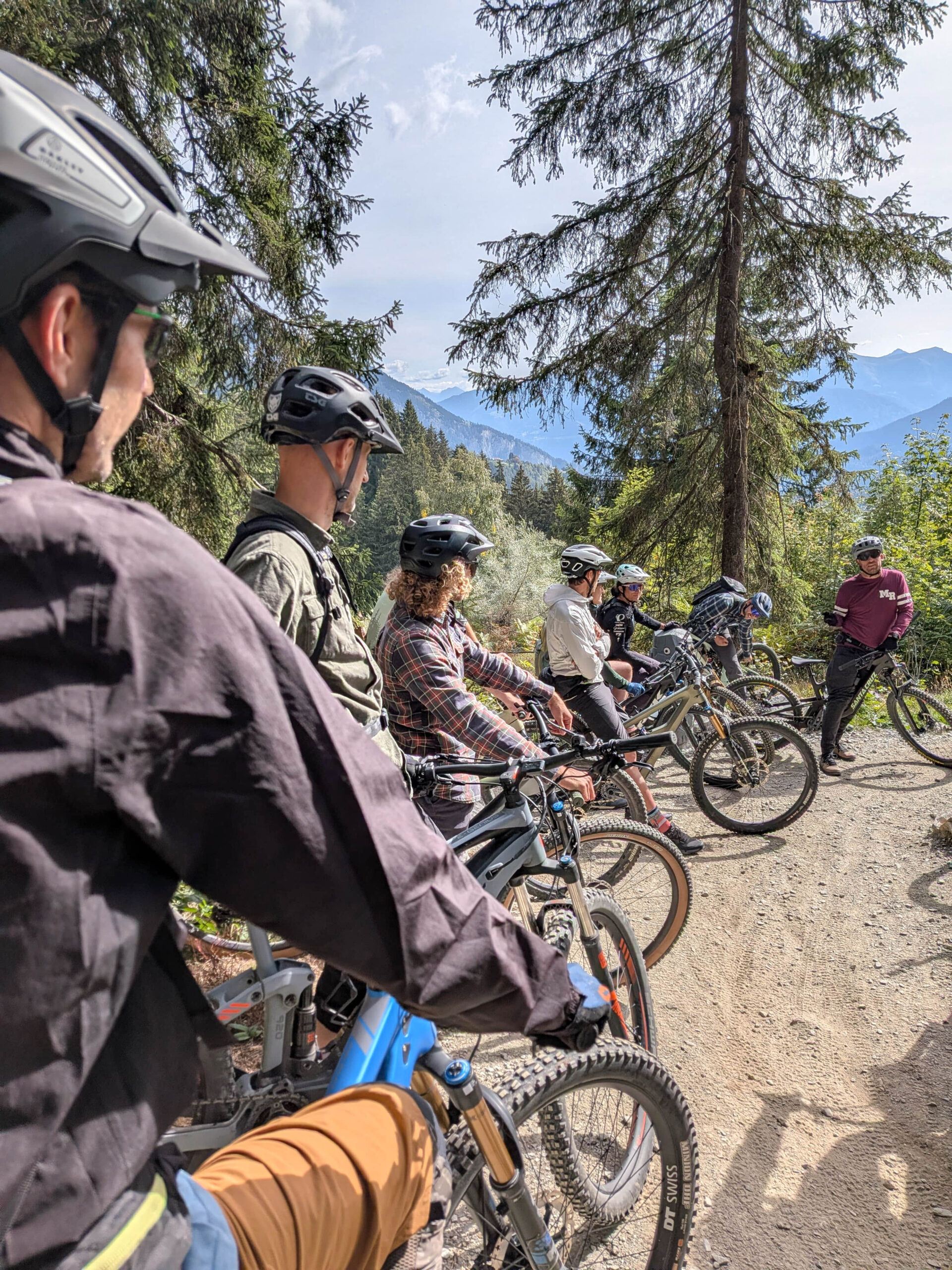
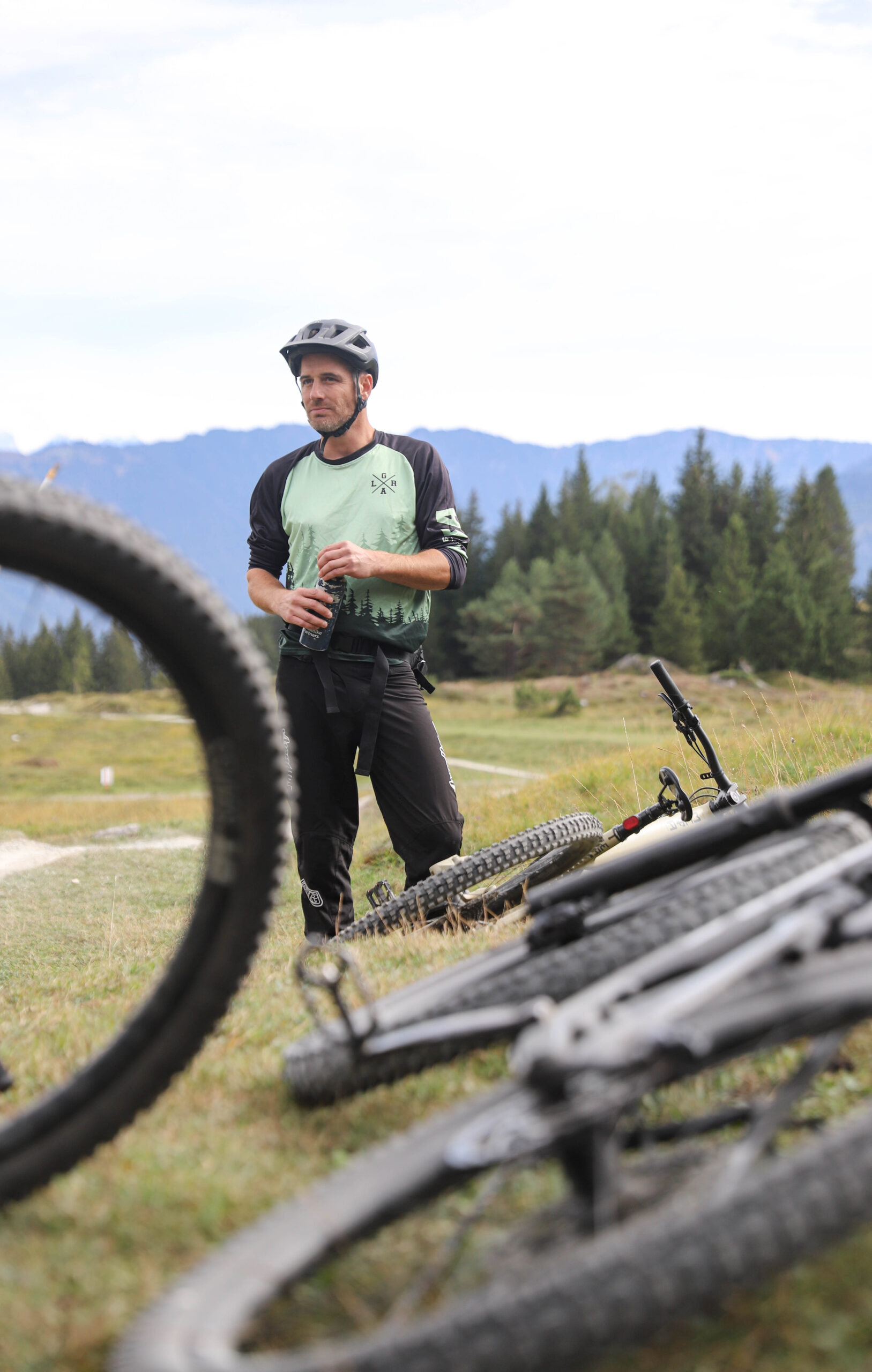
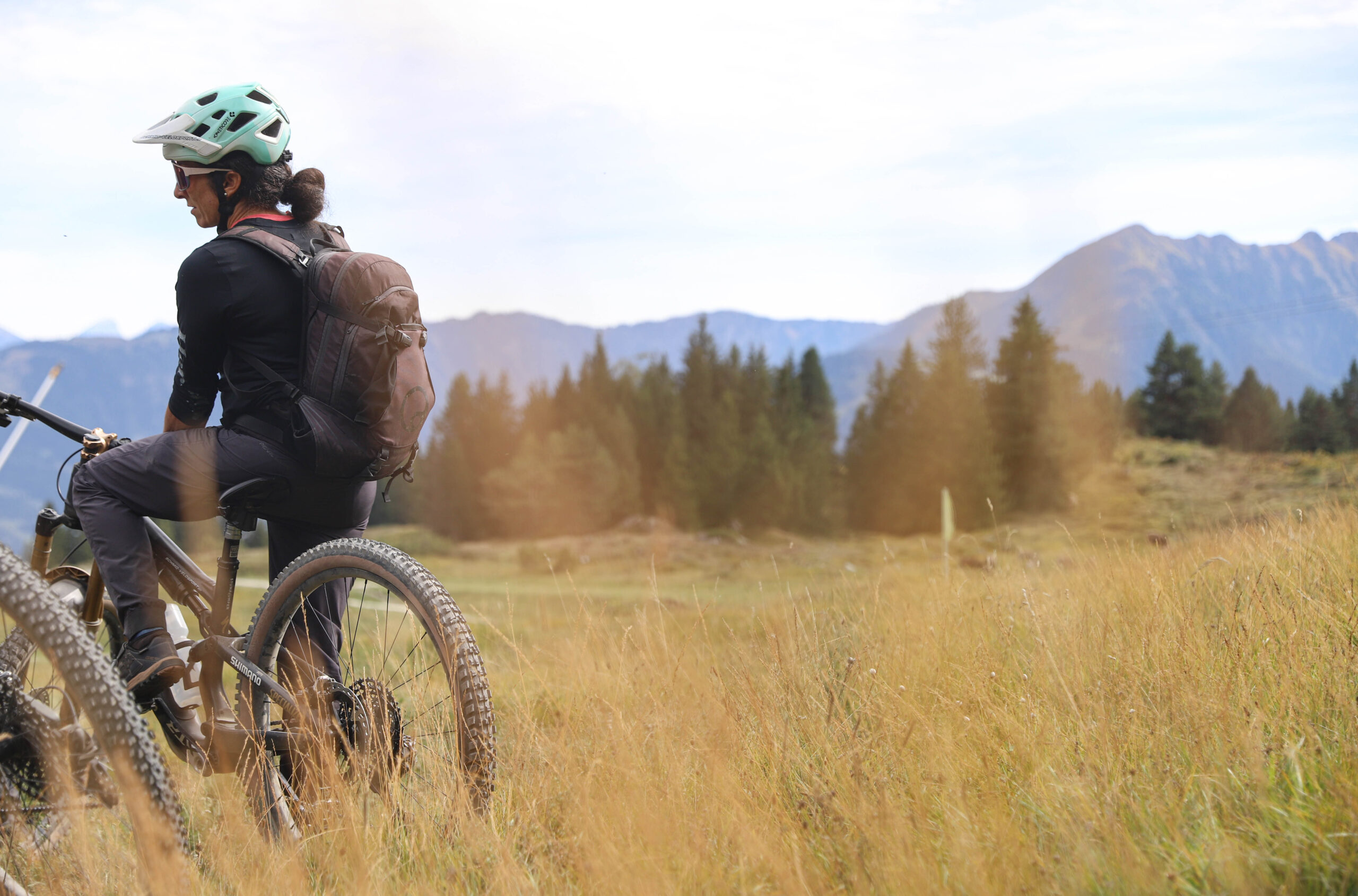
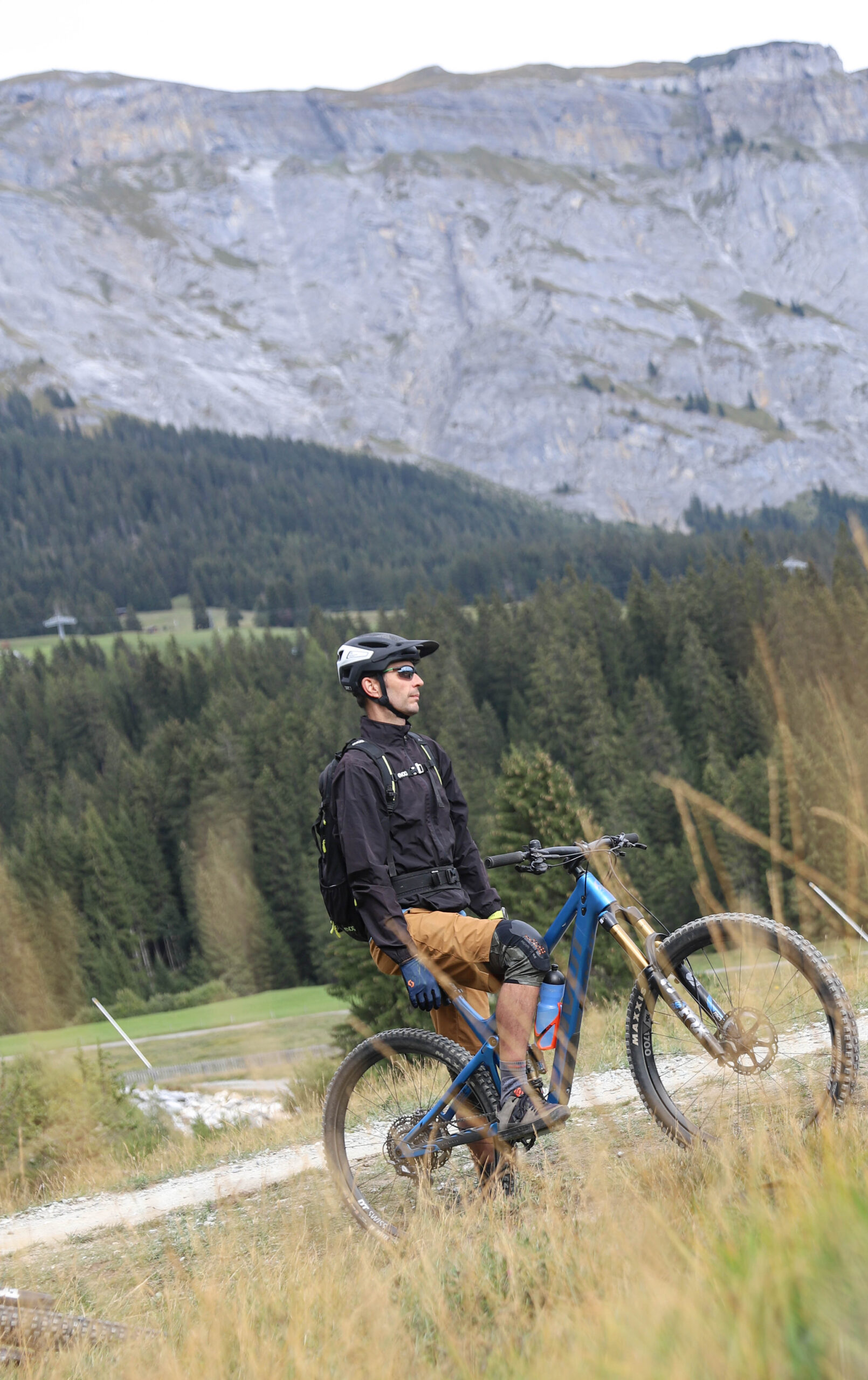
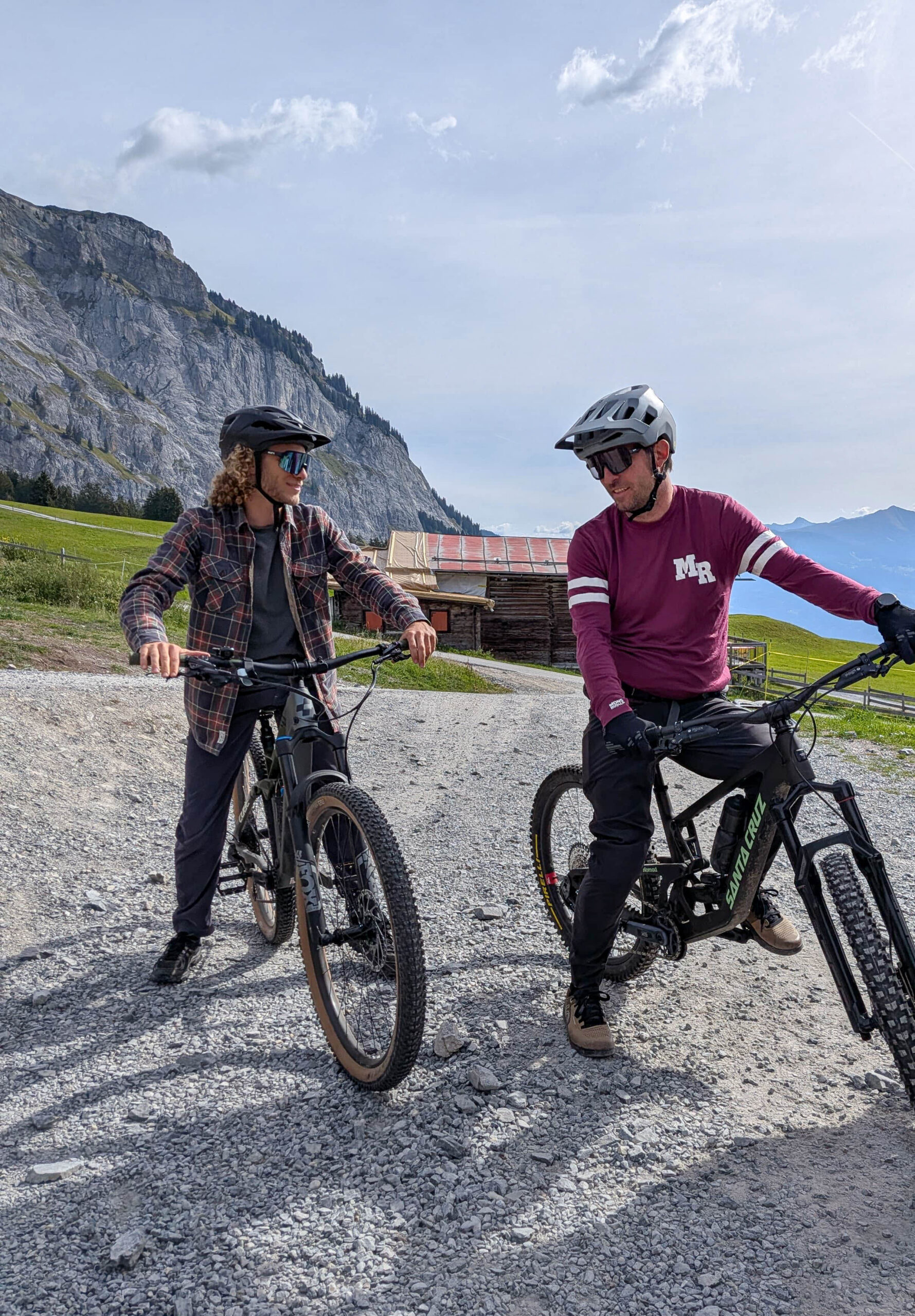
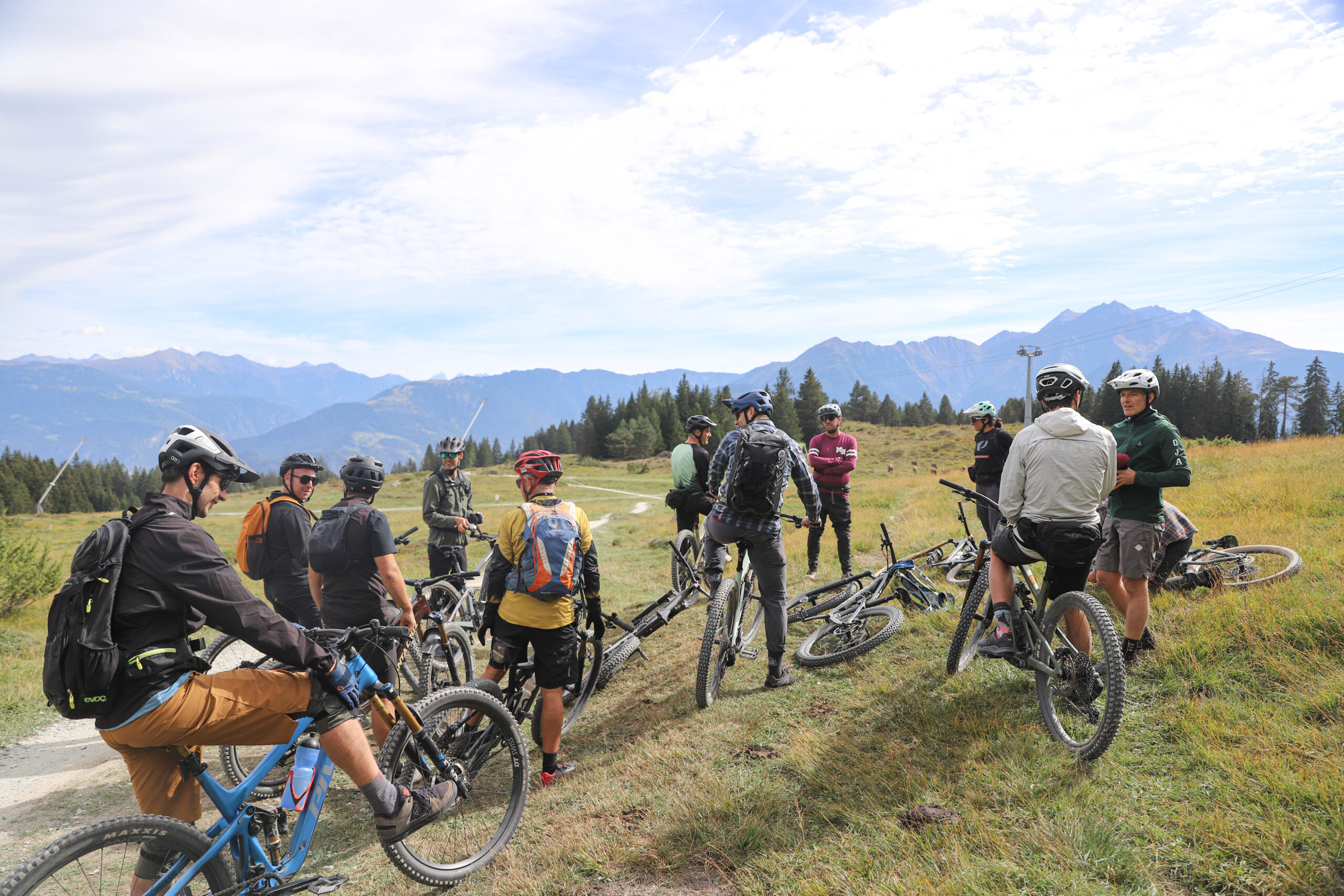
To conclude the day, the participants of both study days went out together once more on the singletrack trails around Flims. The loop, with its views of the Rhine Gorge, provided the perfect setting to reflect on the day's experiences and continue their conversations on the trail.
Day 2
Road maintenance, coexistence and learning lab in Churwalden and Lenzerheide
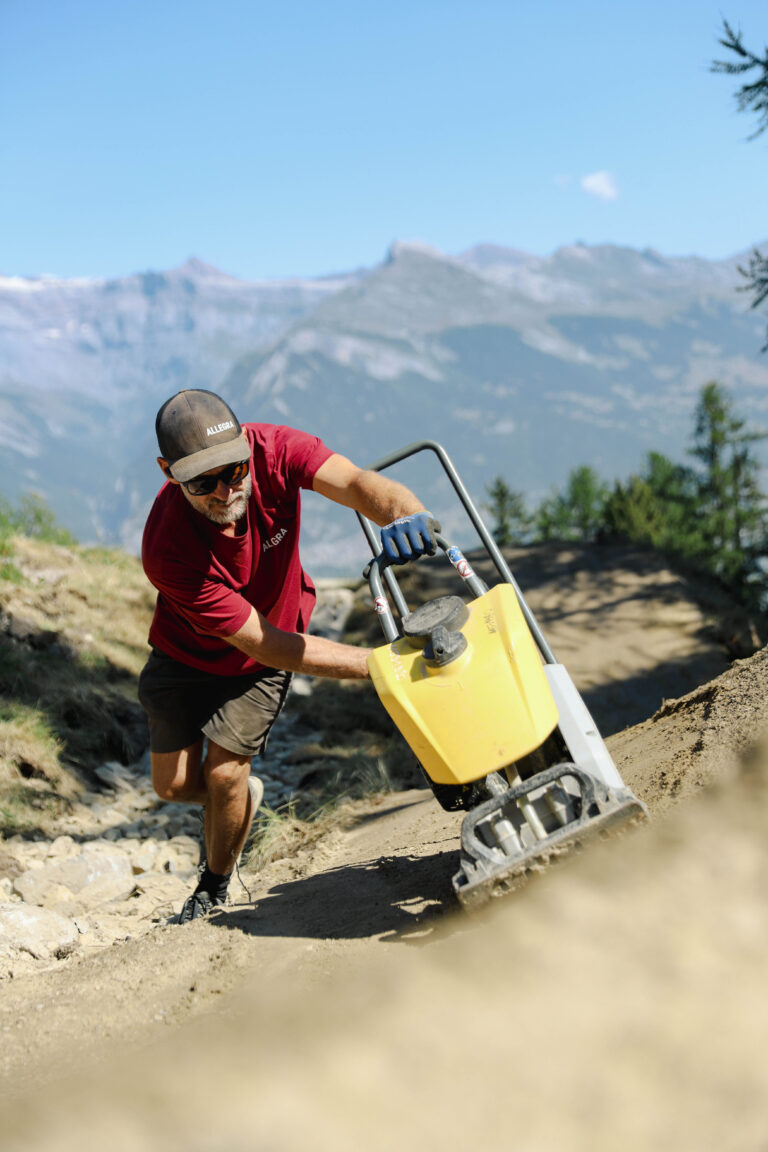
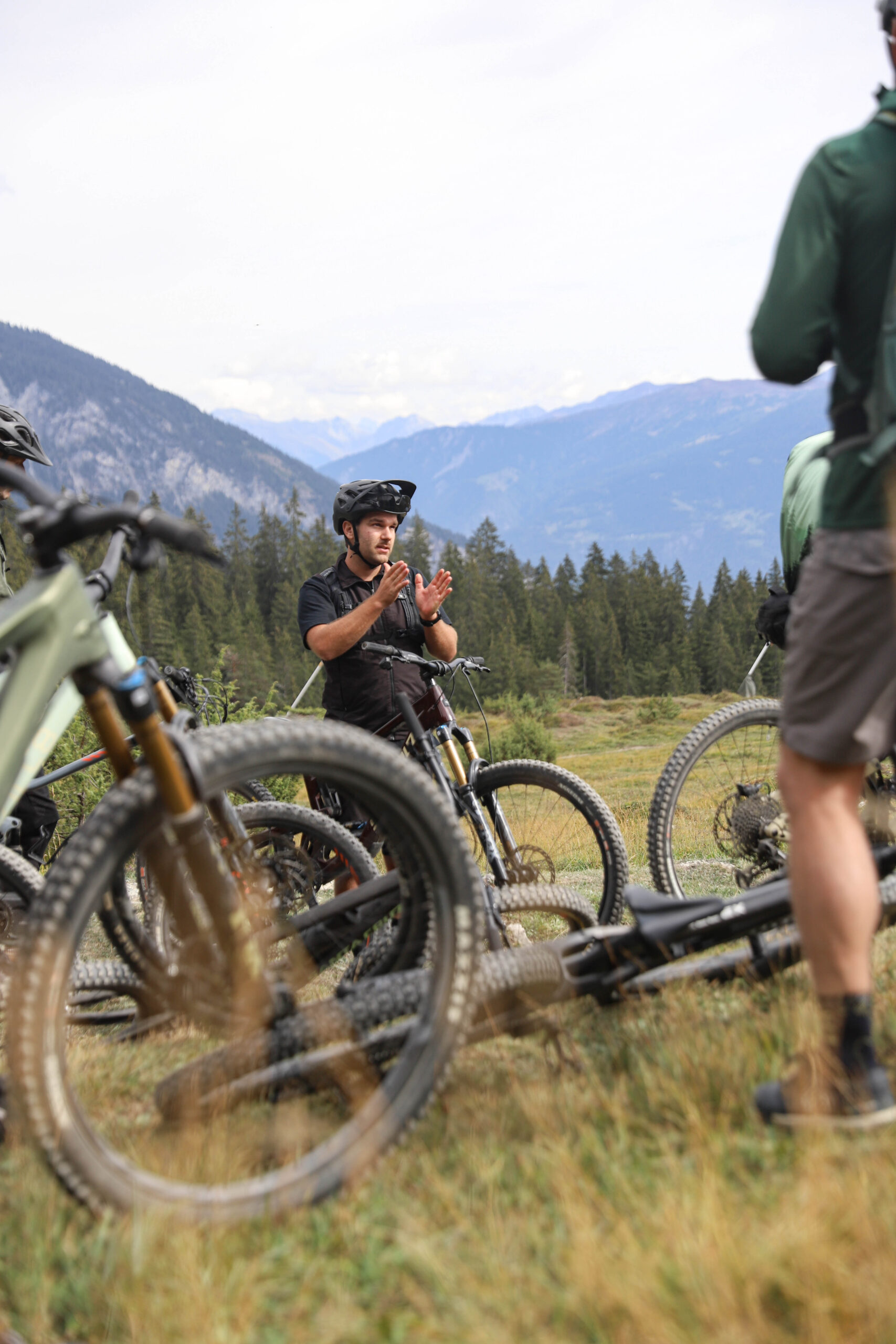
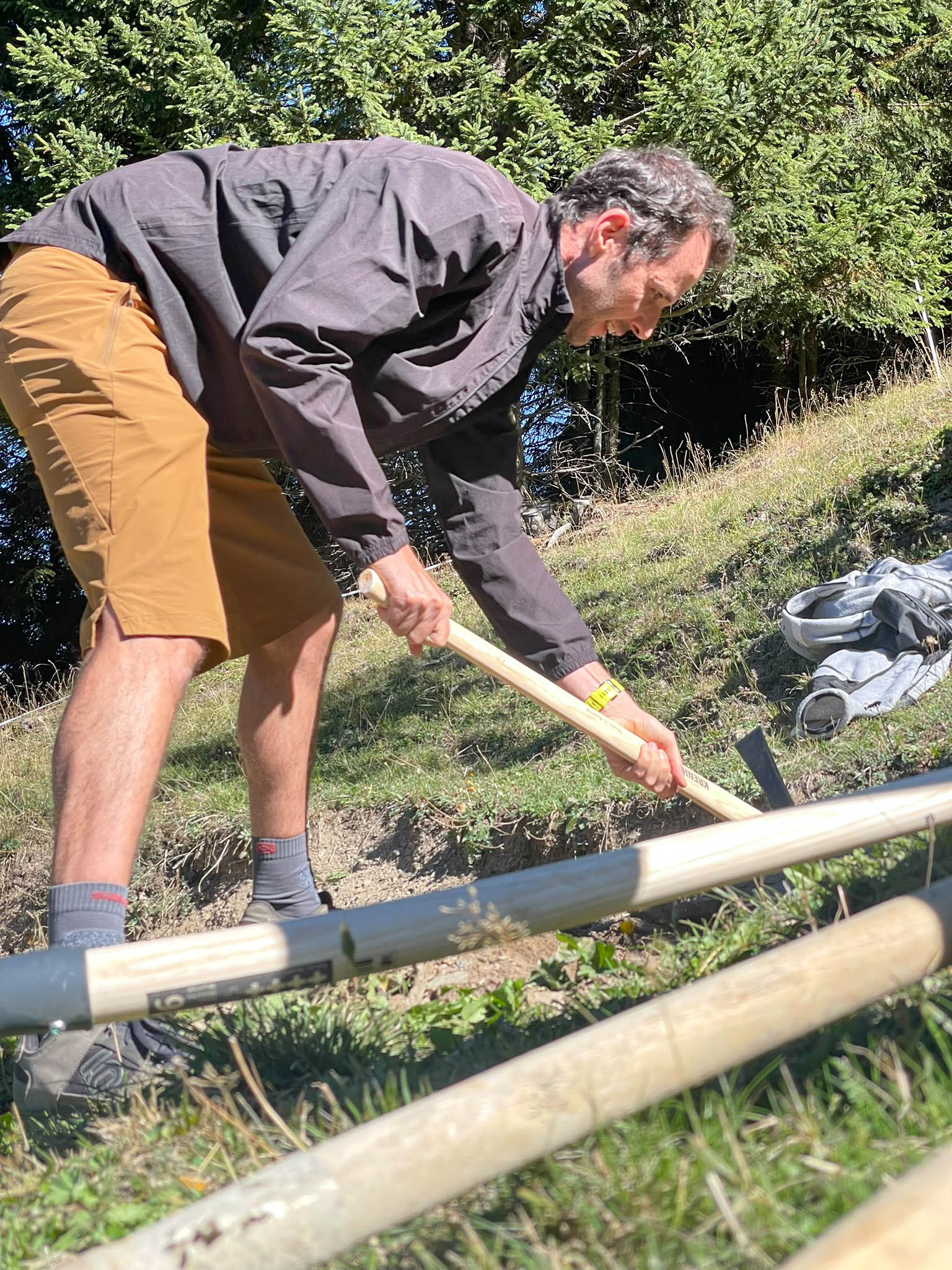
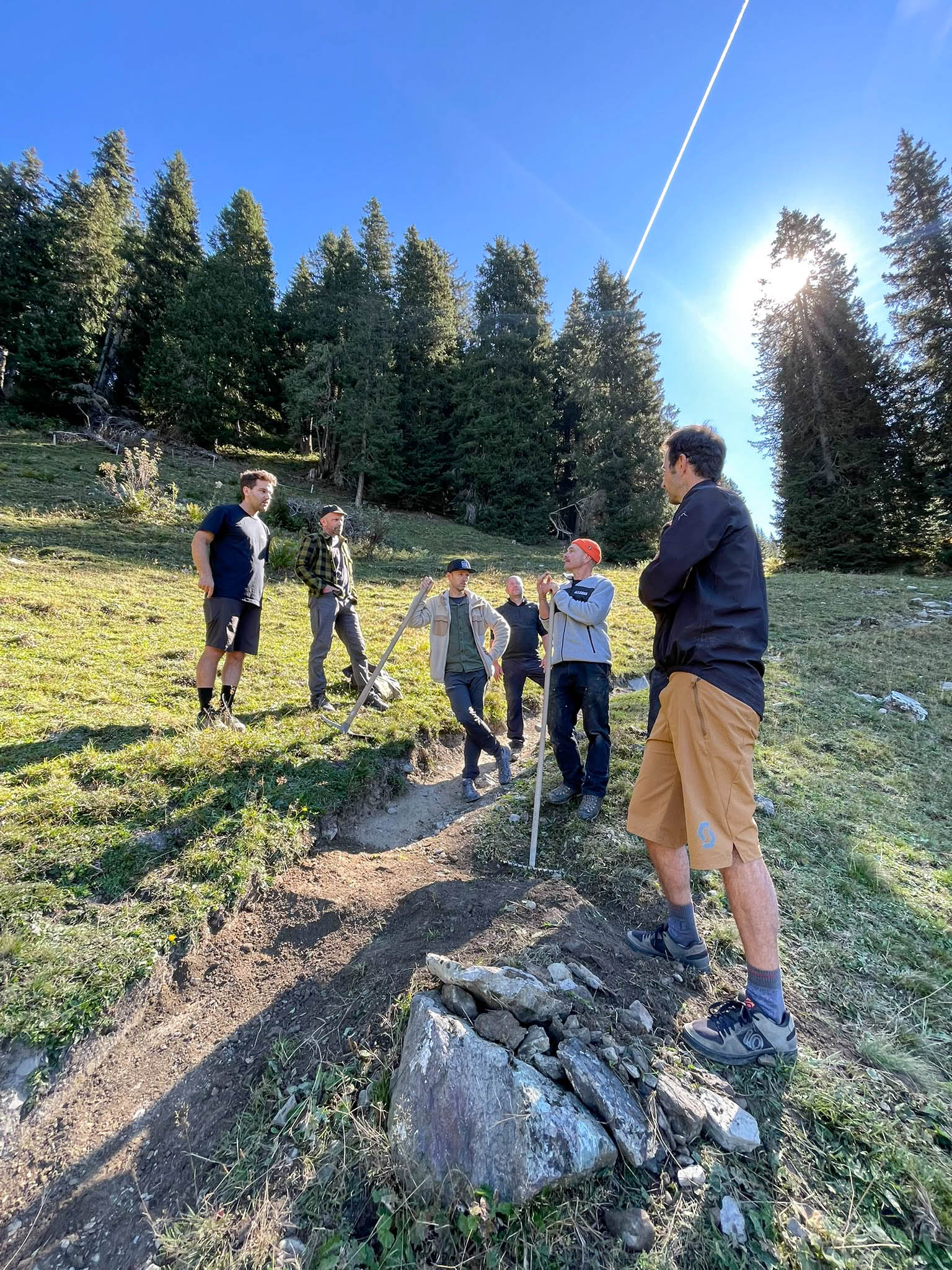
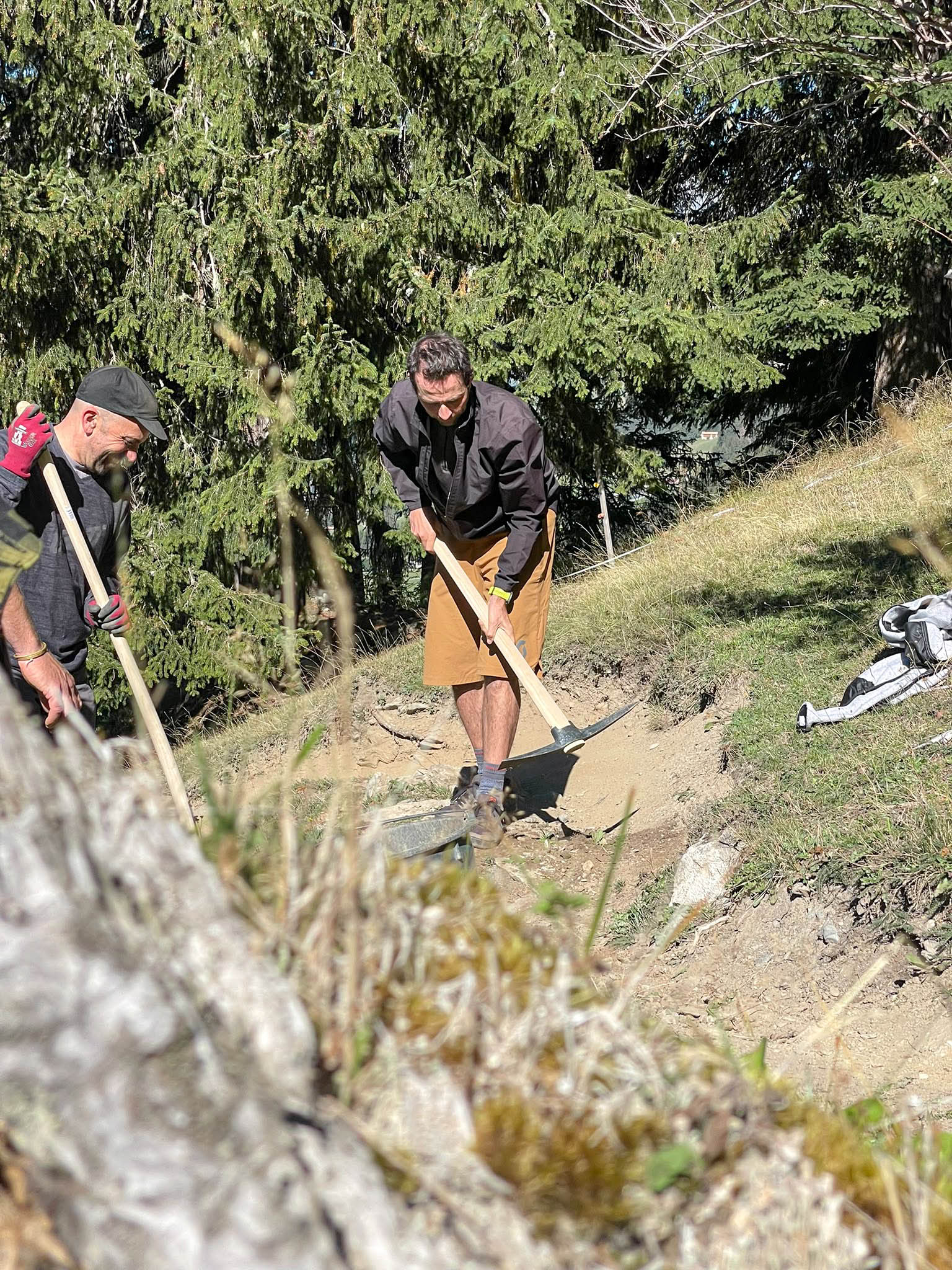
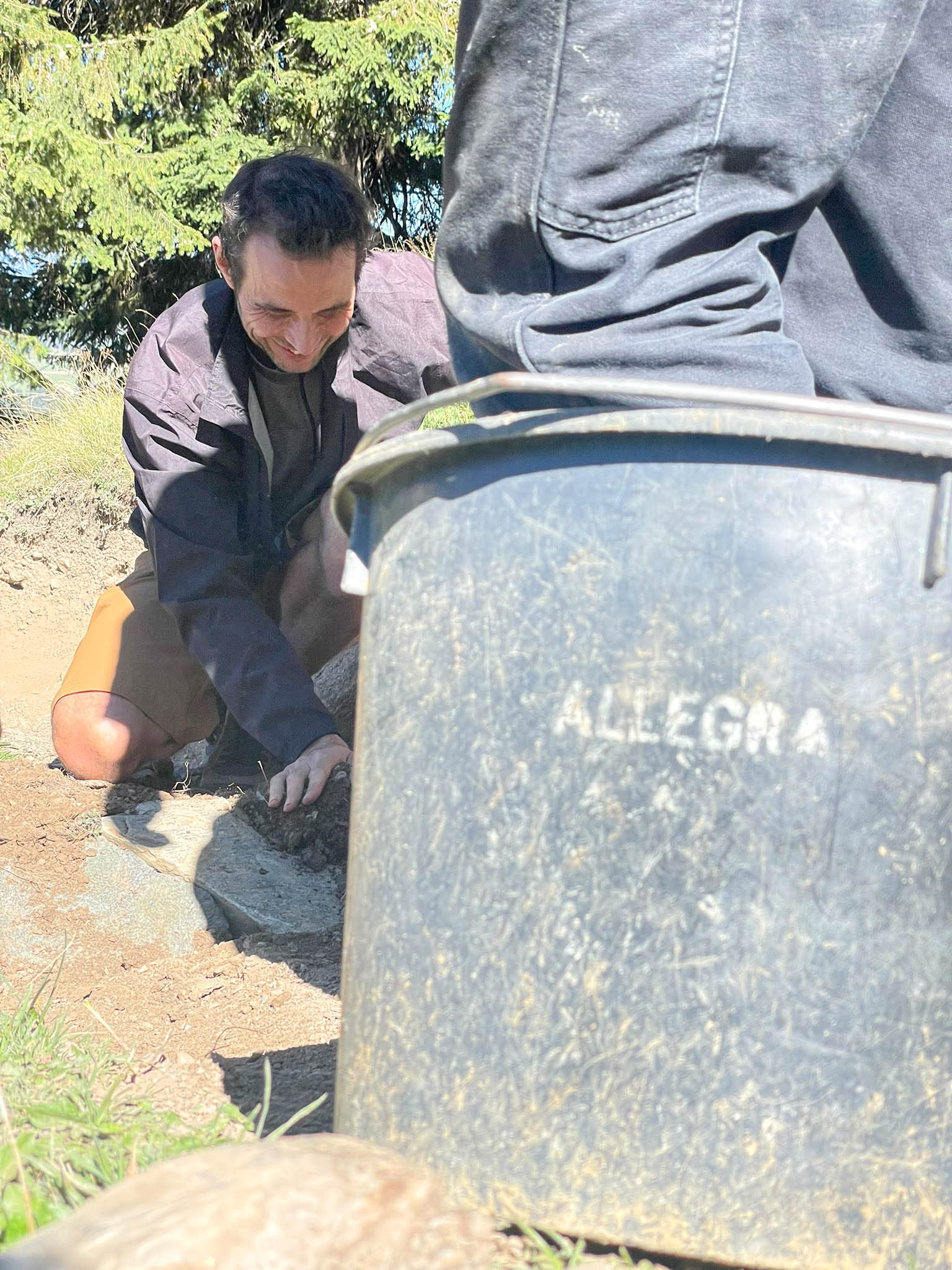
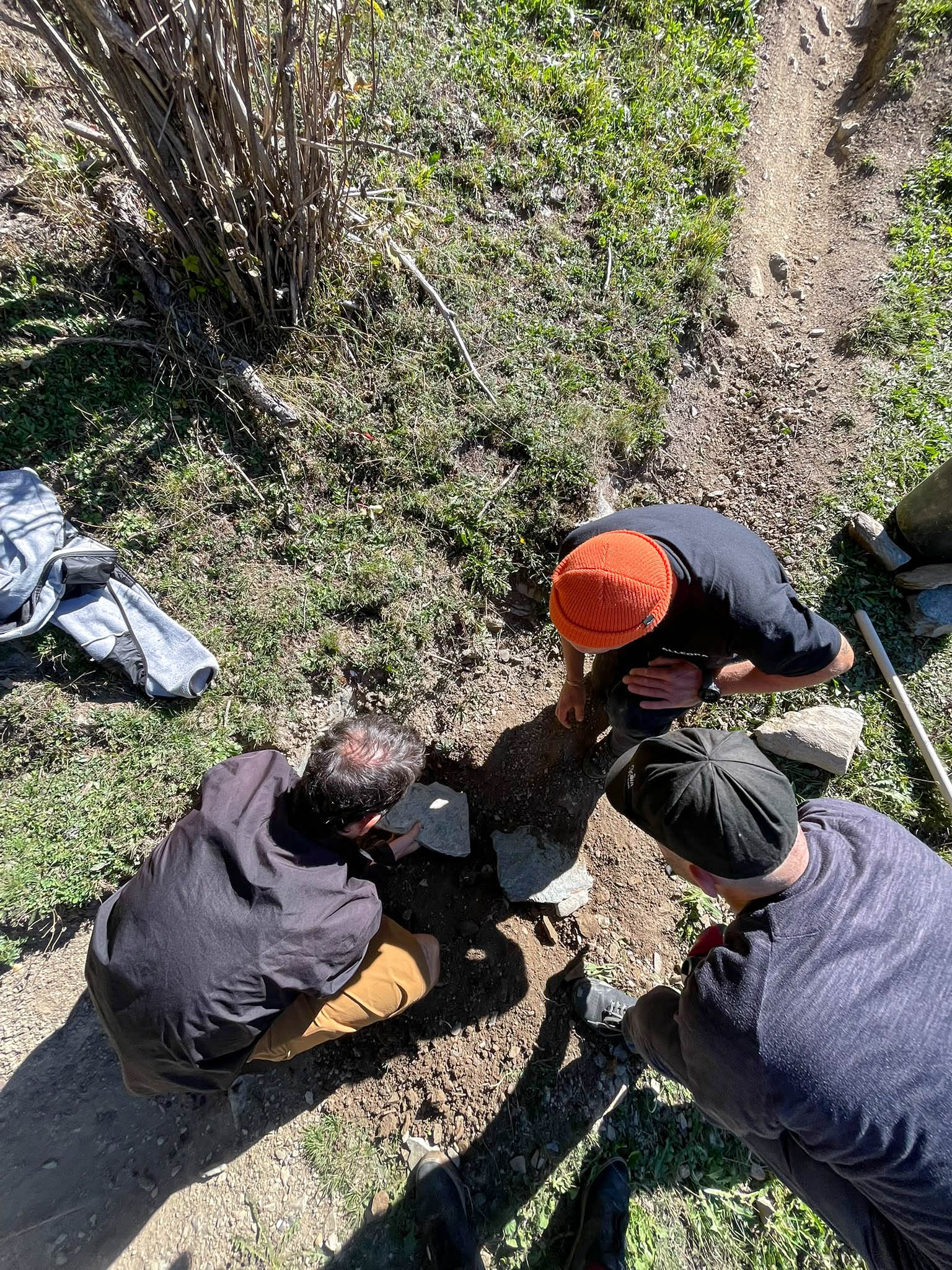
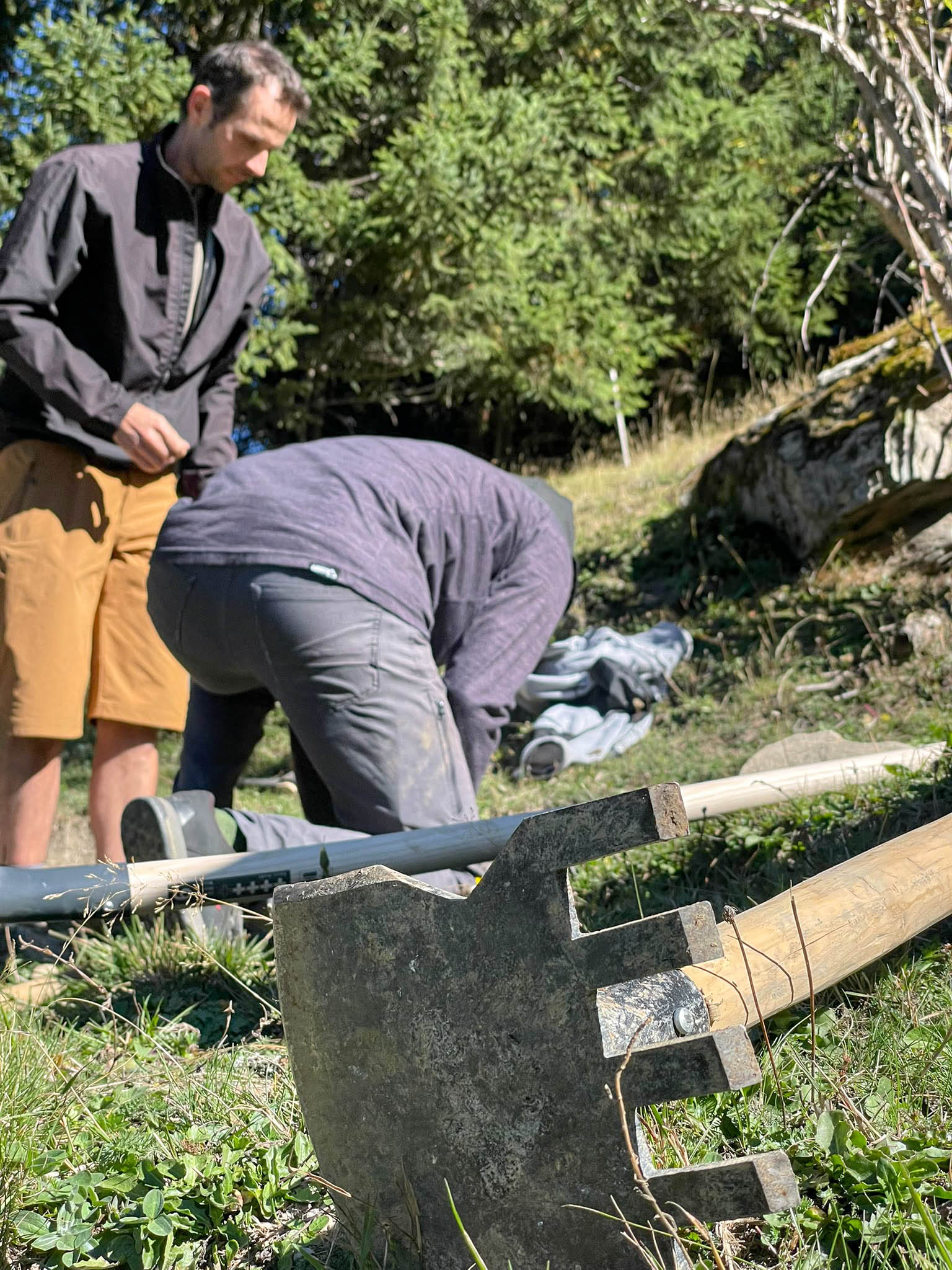
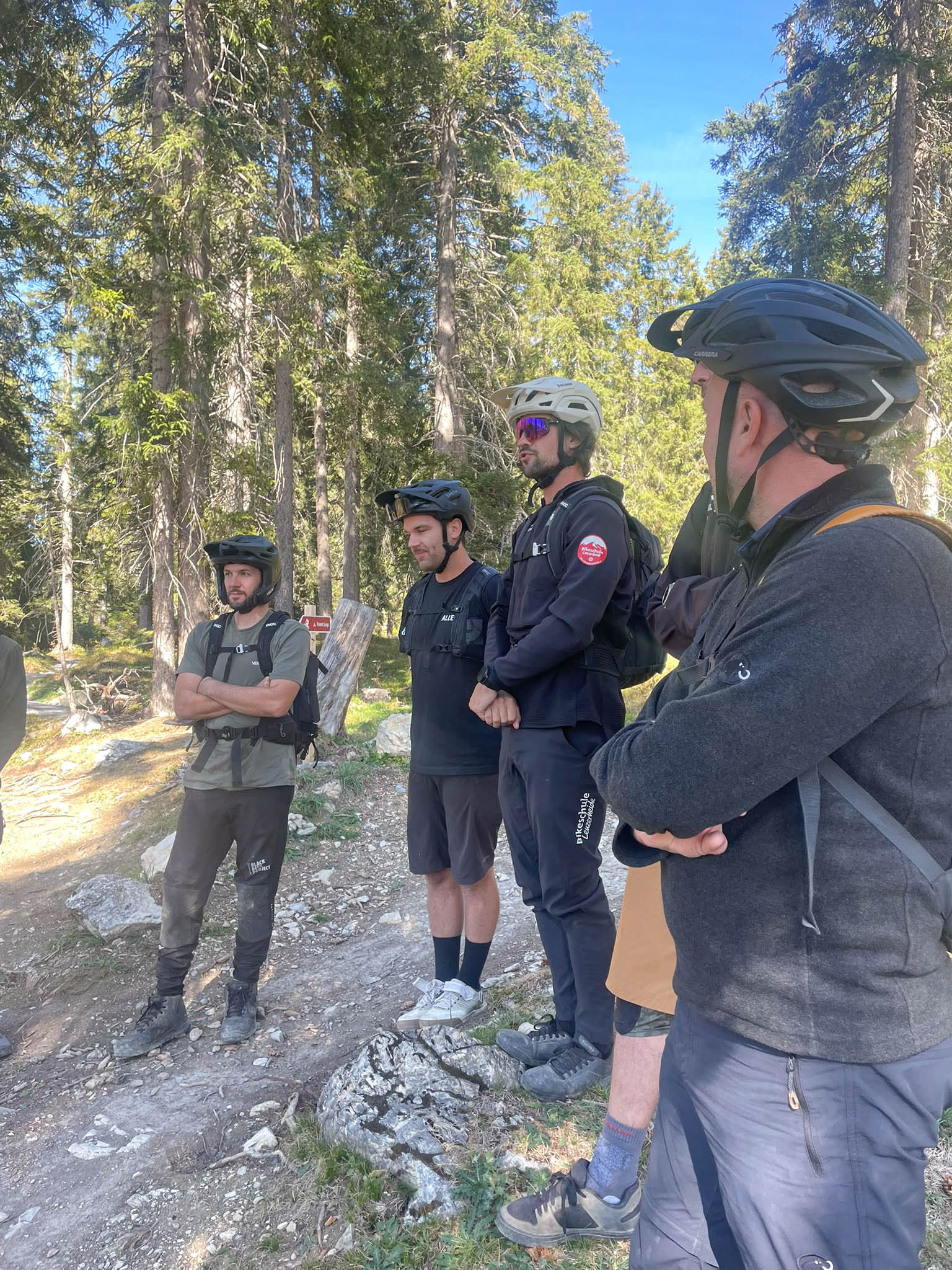
This morning in Churwalden, the focus was on trail maintenance and concrete coexistence measures. This time, the participants took an active role: Under Marcel's guidance, they explored the practical requirements for building and maintaining singletrack trails. How should a trail be designed to remain attractive for both hikers and bikers, to function effectively in the long term, and to ensure successful shared use?
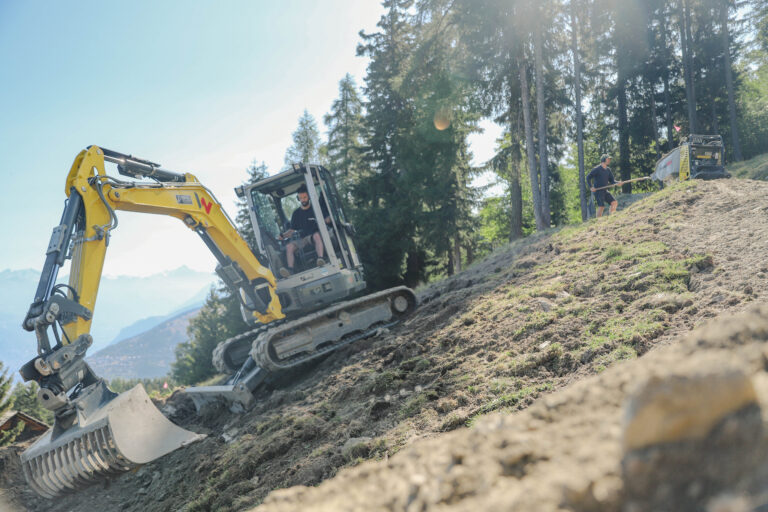
The trail was walked together, its difficulty assessed, and potential coexistence measures discussed. Improvements to the drainage system were also on the agenda. Some of the discussed measures were implemented before noon. This allowed participants to directly test which tools and techniques were suitable for the respective tasks – and how improvements could be achieved through concrete interventions on site.
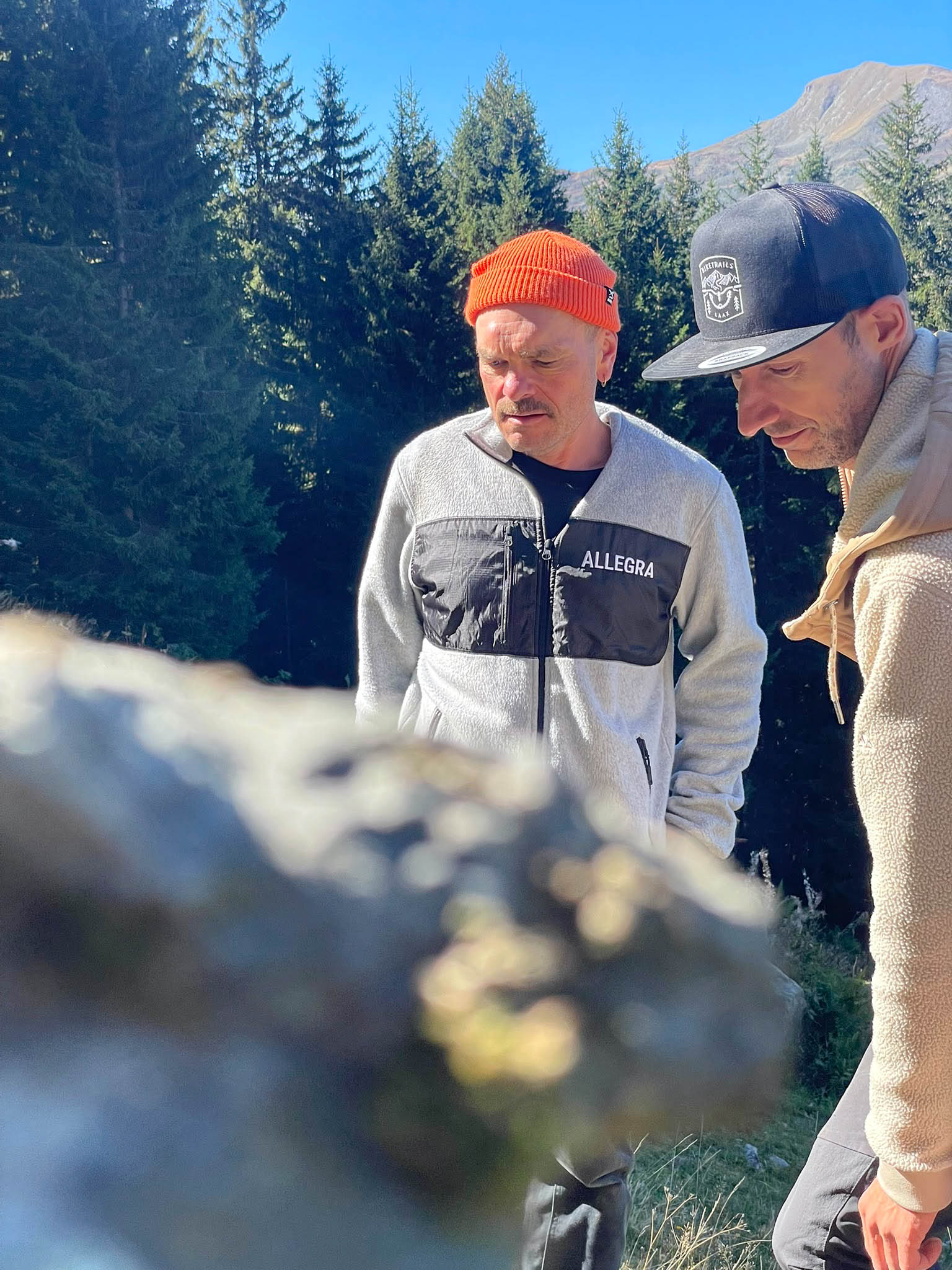
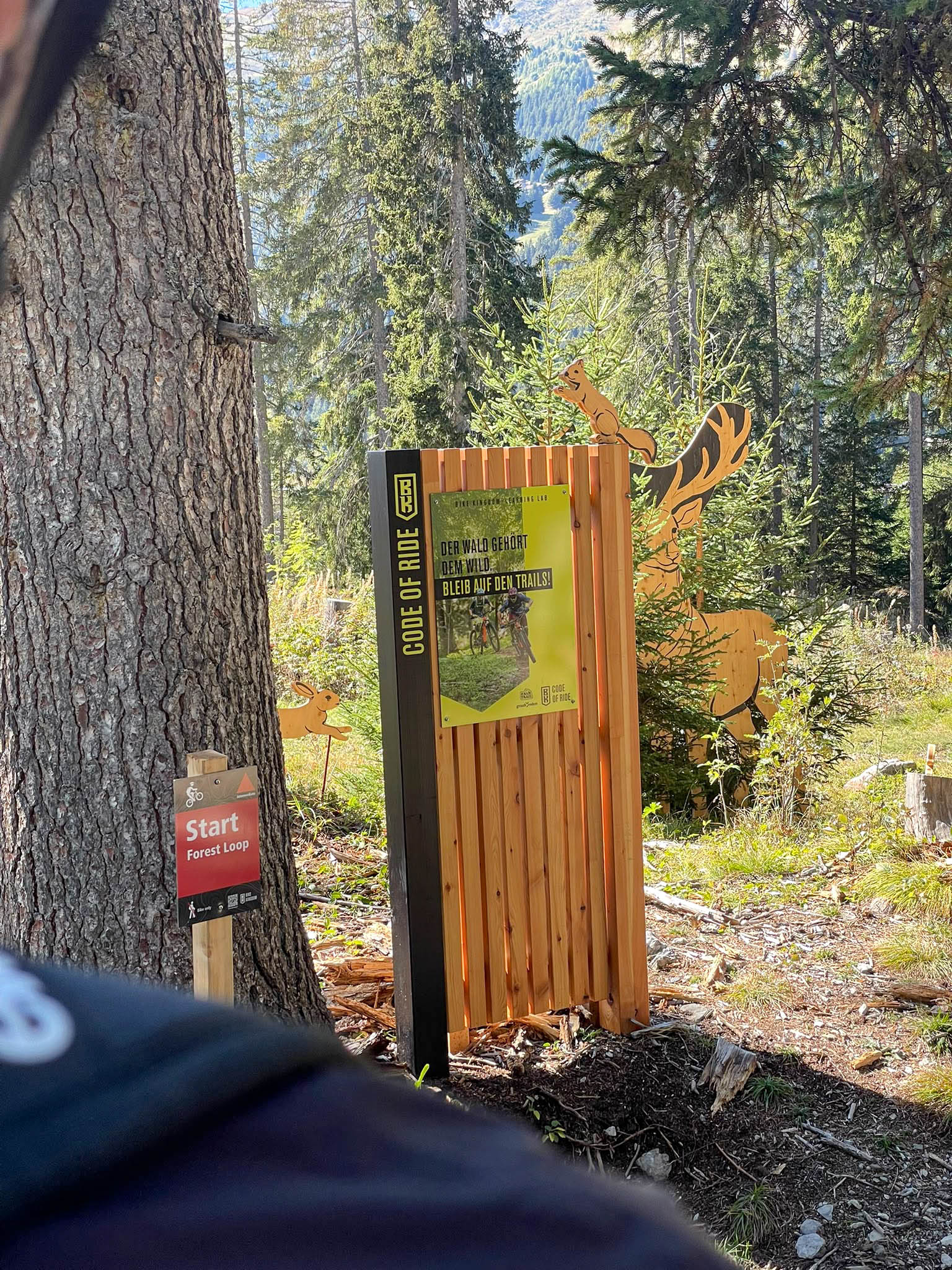
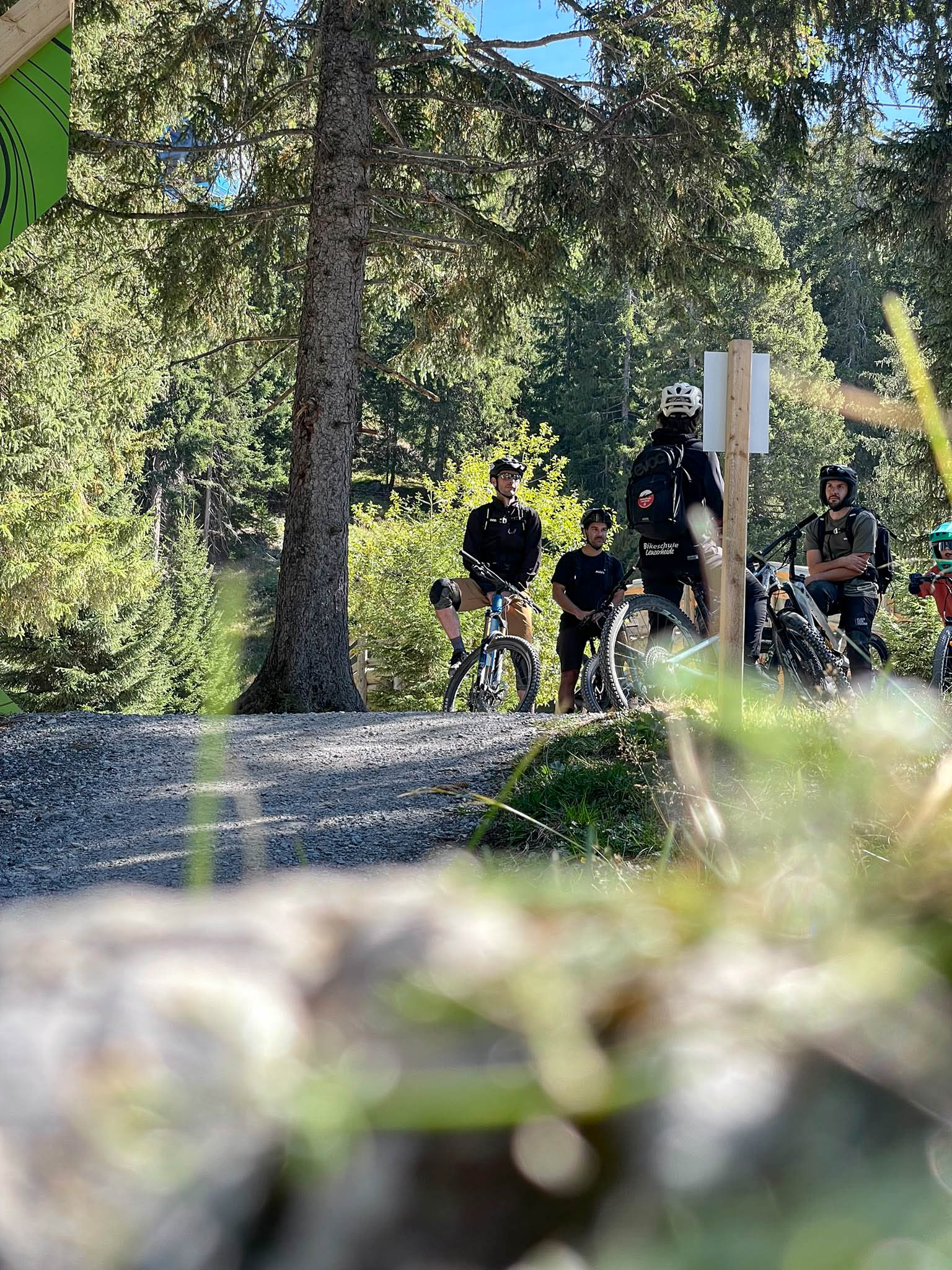
After lunch, Dave Spielmann, Head of Destination Development & Experience at LMS, gave an insight into the significance of the new Learning Lab. Afterwards, Nicola Schmutz from the Lenzerheide Bike School led the group through the new Skills and Trail Center – and demonstrated the potential of the infrastructure being built by ALLEGRA in autumn 2025 and spring 2026.
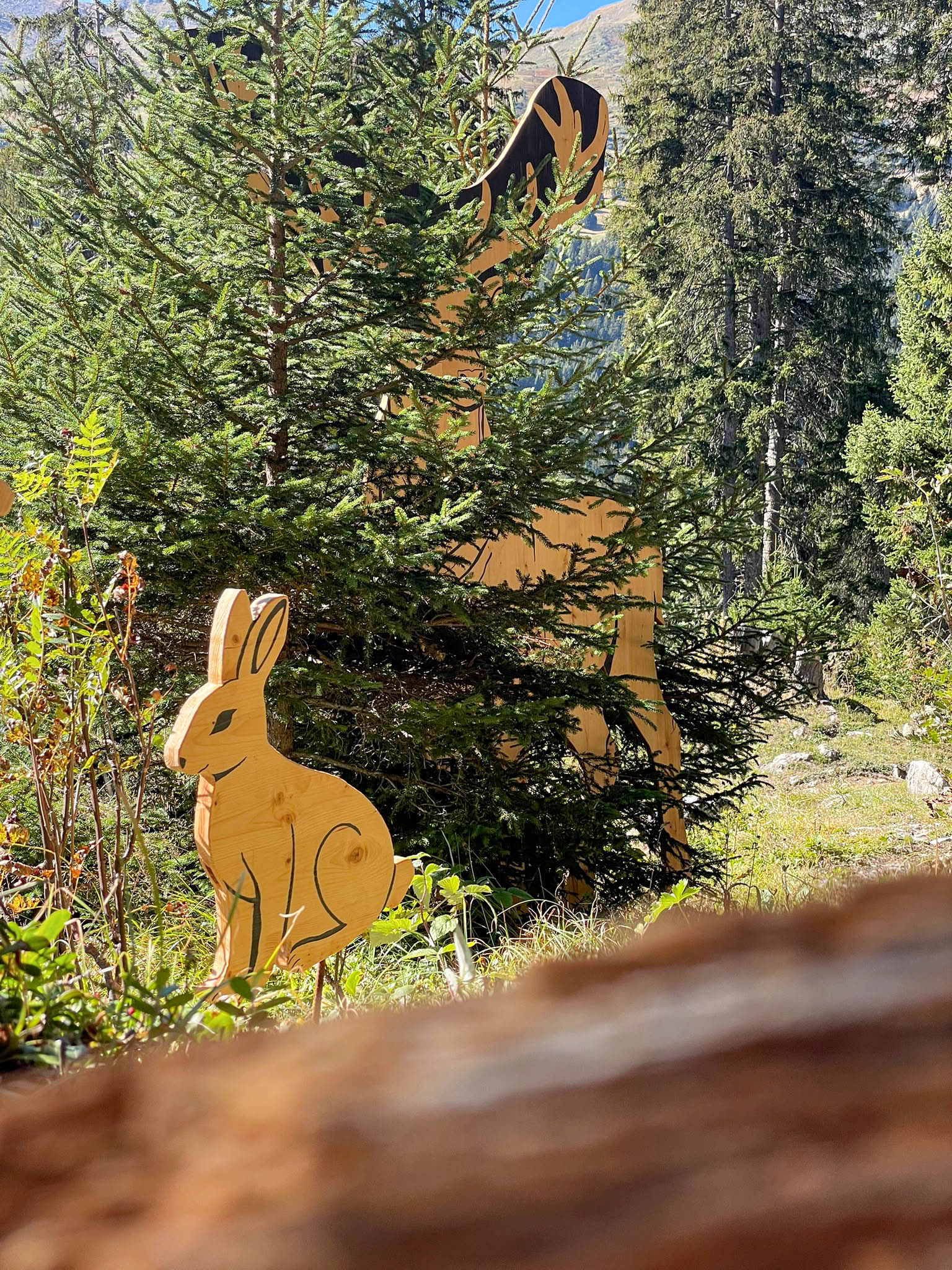
Children can experience and practice typical everyday biking situations here: from crossing fences and dealing with road closures to interacting with herds of mother cows. In this way, they playfully learn how biking, nature, and mutual respect are all interconnected.
The offerings range from a blue jumpline – unsurprisingly the most popular – to short sections of tech and style trails of all difficulty levels, from green to black. This allows guests to experience different trail types and practice typical situations encountered on the destination's trail network. For the bike school, the Learning Lab is an ideal opportunity to teach children these situations in a practical way. At the same time, it is open to all guests and is also frequently used by locals.
CONCLUSION
Two days with many insights
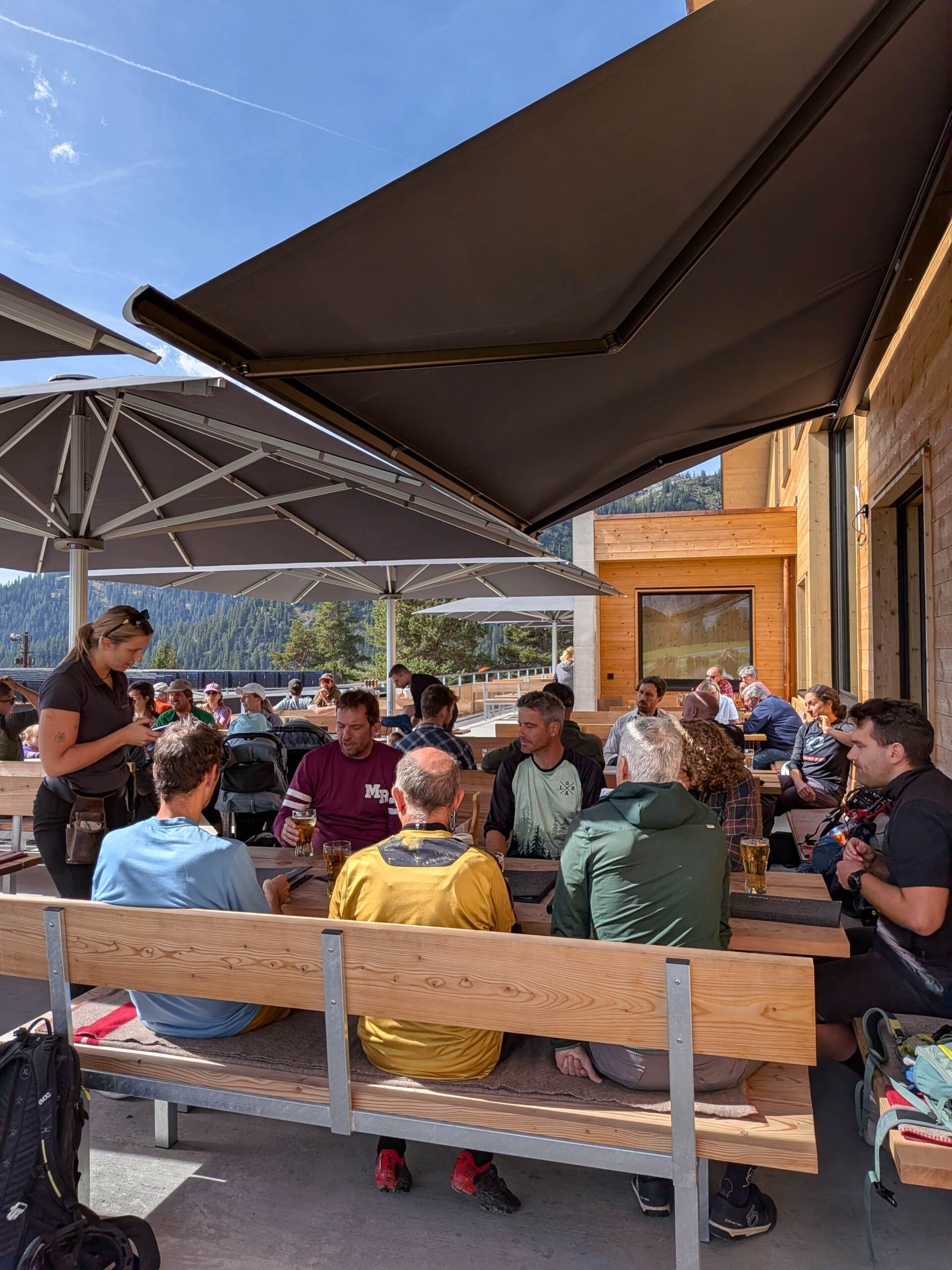
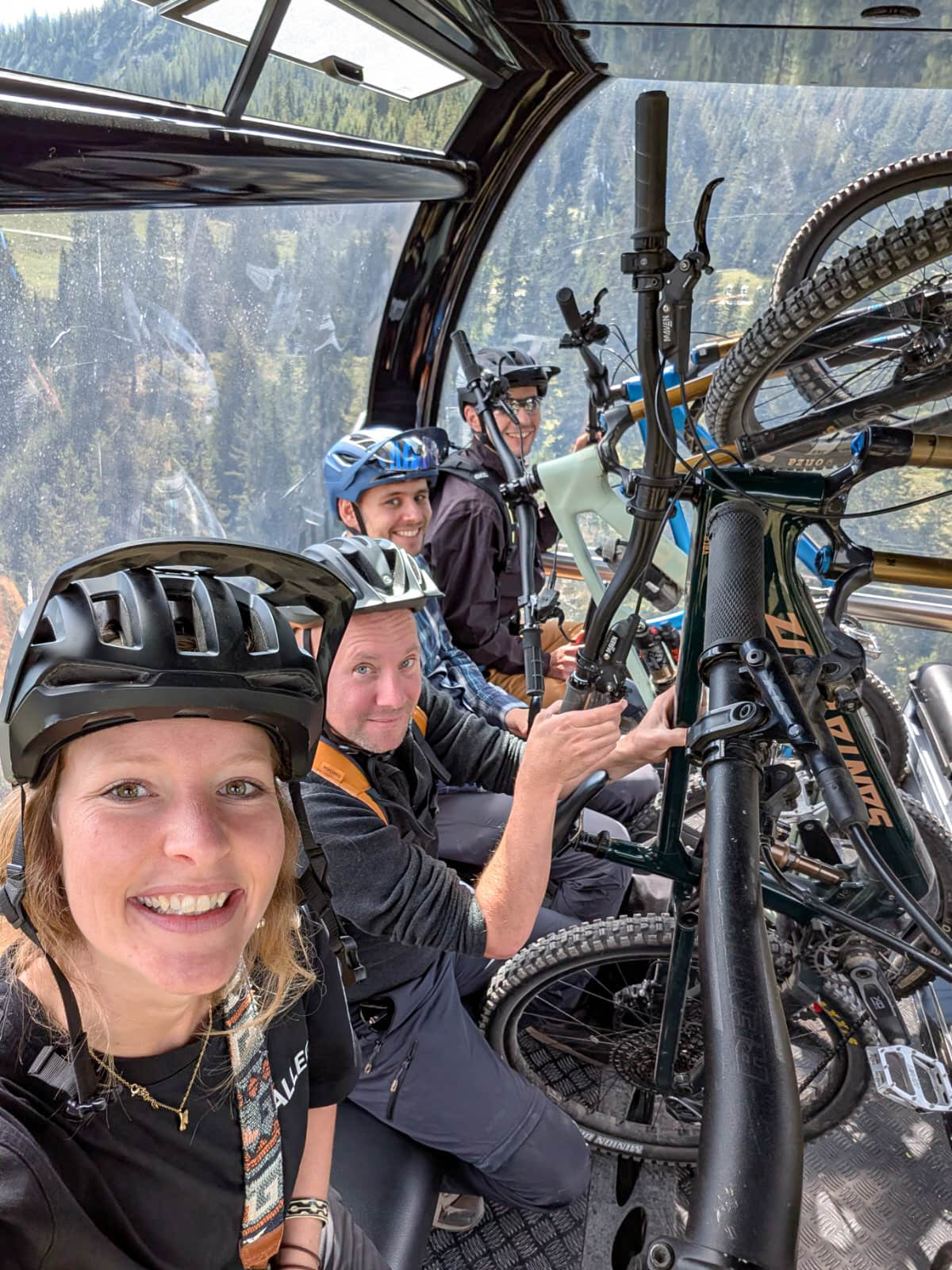
Besides the official program items, there was plenty of time for discussions and the exchange of different perspectives. Whether in the gondola on the way up the mountain, during shared meals, or directly on the trail: the conversations revolved around experiences from everyday work and specific questions.
Daniel Litscher, project manager, summarized how valuable the insights gained on site were. Foot– and cycling in the canton of St. Gallen, aptly combined:
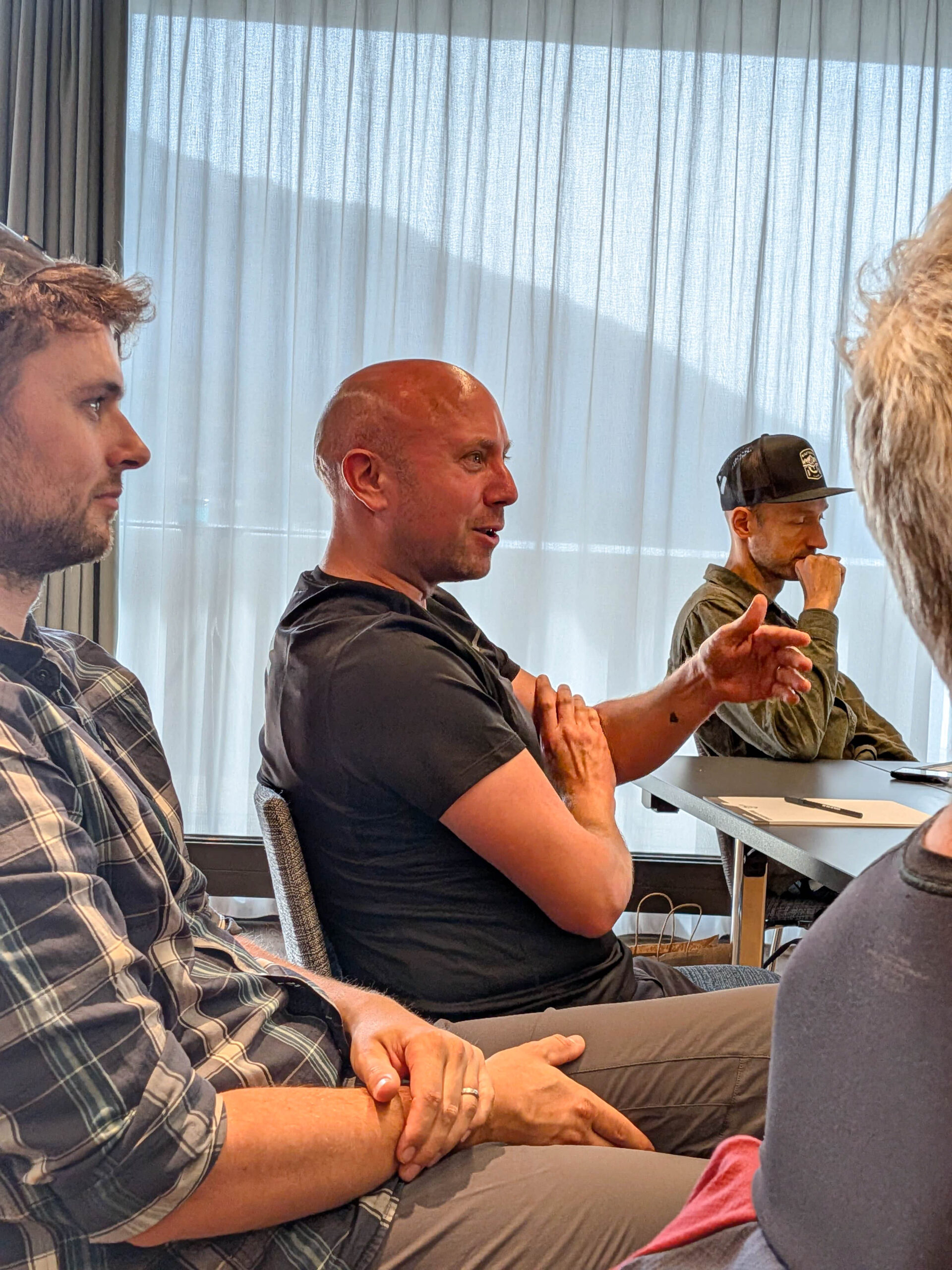
«"The two days gave me a very good impression of how it outside The process, what needs to be done, how it's done, and what to pay attention to. It was great Discussions and valuable insights into the challenges of the new levels of difficulty. There's a world of difference between a plan and a technical report – and its implementation. outside in nature."»
The discussions also revealed that various topics can be explored in greater depth and that there is a great need for professional exchange. Whether it's trail network planning, difficulty levels, trail construction and maintenance, signage, coexistence, or monitoring: there is plenty of material for further study days or webinars.
The two days thus offered not only concrete insights into practical applications, but also an opportunity to share experiences and explore new questions. We are eager to see which topics we will address at the next study day.