The year is 1999
Back then, nobody could have imagined that a luxury hotel would be remodeled specifically for bike guests. Even the idea of attracting mountain bikers as a target group for a hotel in the remote Münstertal was considered rather exotic. Darcos But mother always dreamed of owning her own hotel. And when opportunities arise, you should take them: a mountain hotel can be taken over, even if the initial location and operating history are perhaps not ideal. Many changes of ownership, repeated closures, the property was not exactly dilapidated but a bit run down with a rusty roof and so on - and customers were lacking. Mama Cazin had therefore chosen an interesting challenge. "Who wants to go on holiday in the remote Münstertal?"
The answer was quickly found: mountain bikers!
So they traveled to Italy to the mountain bike festival in Riva del Garda to experience and get to know the potential target group. What they found amazed the Cazin family: what a market - and what products! Full suspension bikes already existed at that time. They gradually built up the "Bike Hotel Stelvio" in Santa Maria with a bike station, bike camps, tour offers, shuttle service and everything a mountain biker's heart could desire. Within a few years the hotel was full of mountain bikers. In his story, Darco even goes so far as to suggest that non-bikers might have felt a little out of place.
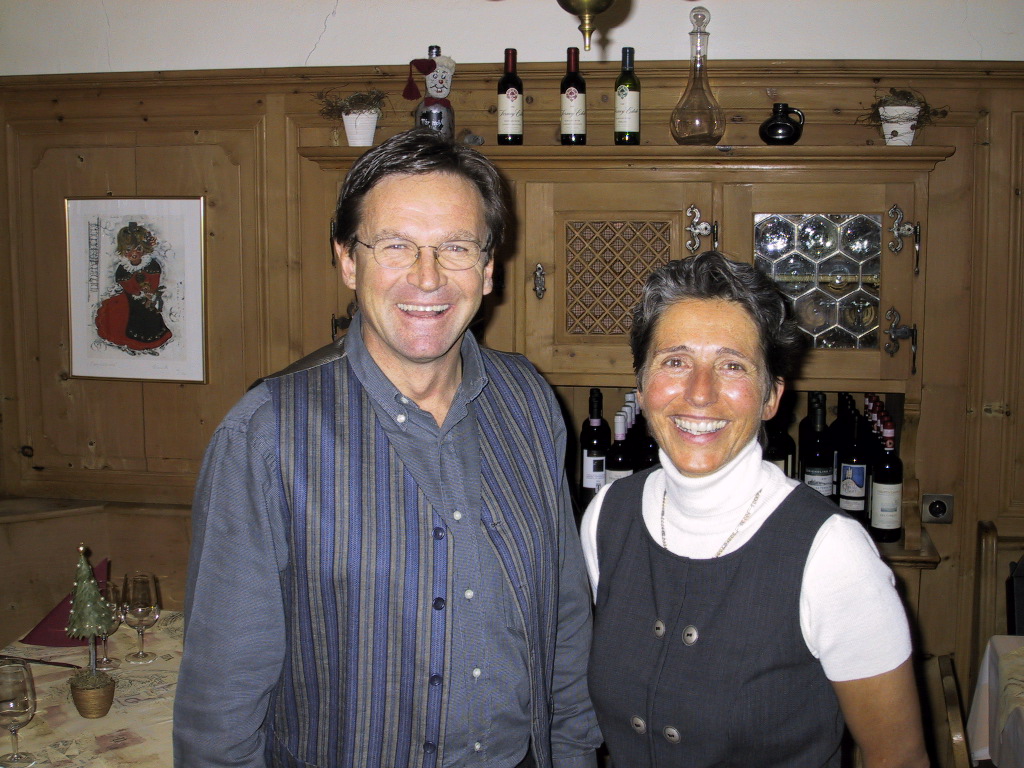
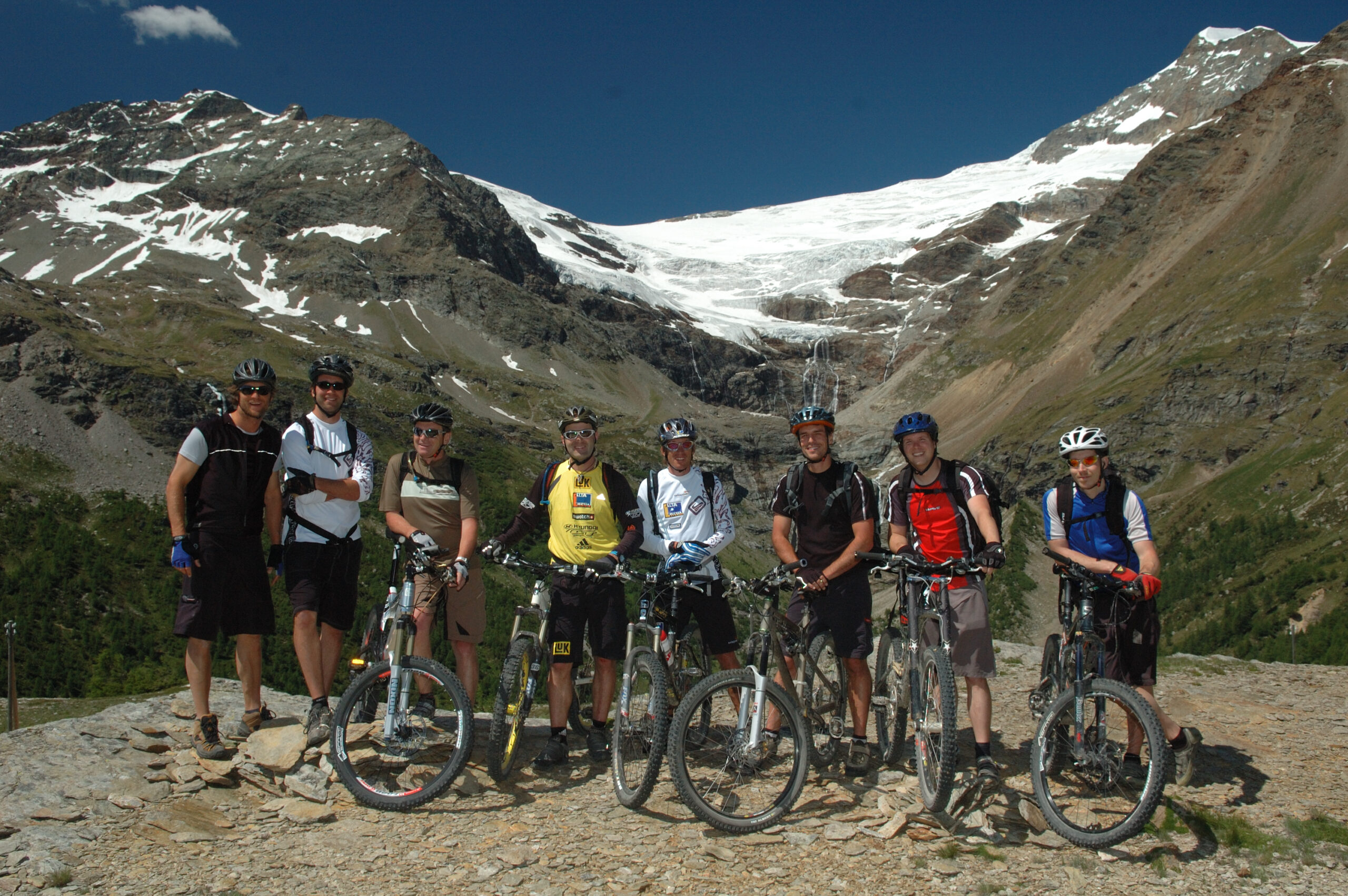
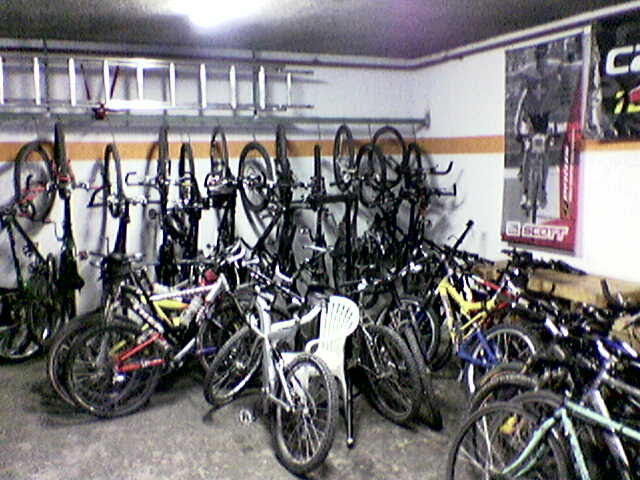
ALLEGRA's first official assignment was, among other things, to set up a cooperation of bike hotels in Livigno. Darco visited all the establishments. The result was sobering: out of around 100 hotels, he was able to start with 10. Eight of them said "yes, let's see" or at least did not say no. Only two were there with heart and soul from the start. They were Fabio Giacomelli from the "Lungolivigno Hotels» and Alessandro Longa from «Hotel Astoria». Today we know that these two establishments were the quickest to gain success with mountain bikers. The others took a little longer. The newly formed hotel group with establishments from Livigno and later also from the Engadine, the Poschiavo and the Upper Valtellina appeared together under the brand name «Alta Rezia».
When hoteliers become mountain bikers themselves.
A new era began when hoteliers became mountain bikers themselves - or mountain bikers became hoteliers. They brought their fascination and joy for the sport to life in the hotel and thus helped shape the stage of mountain bike culture. As a biker, it is easy to recognize and fulfill the wishes of others. As a result, hotels suddenly began to communicate more authentically with the market and the hotel offerings adapted to this. Then it even went a step further: the hotels expanded their offerings beyond their core services of food and accommodation. In the «Massa Vecchia» by Ernesto Hutmacher, guests have the option of taking a GPS transmitter with them on their mountain bike tour so that they can feel safe in Tuscany even without a guide. If the biker doesn't move for a long time, Ernesto receives a message on his cell phone and can check on the GPS map whether the GPS point is perhaps above a café - so the guest can take a break. If he notices, however, that the GPS point is no longer moving away from civilization, he can call the guest and provide any necessary help.
But how is a bike hotel defined?
Hoteliers have answered this question in different ways over the last 15 years; in the early days, they put a sticker on the entrance door saying "bike-friendly". However, the offer has not changed noticeably. When they became aware of this, they developed criteria for service and structure and met them accordingly; for example, with a lockable garage and a washing area for mountain bikes. It should be mentioned at this point that the list of criteria has constantly changed with the development of mountain bikes. Also because the needs of the user group are changing: a power connection for the e-bike is now indispensable, for example. But more on that further down in the article.
We discovered an exciting article
In the June 2024 issue of "infoHotel" (the information sheet of the Valais Hoteliers' Association), the headline looms: "It's going well for bike hotels," especially with regard to the 2025 Mountain Bike World Championships in Valais. And if you believe the article, hoteliers can only win thanks to the bike label. Perhaps a bit blatant, but let's take a closer look. The organizers of the Mountain Bike World Championships are currently encouraging all hotels to obtain a bike certificate in order to be able to welcome all cycling enthusiasts at the major event in the best possible way and to be prepared. After all, 1,500 athletes and around 200,000 visitors from all over the world also need a bed. The offer in the canton of Valais is growing, but is still insufficient. It is very easy to obtain one of the two bike labels - and the advantages are huge. You can choose between the paid label “Swiss Bike Hotel” from Switzerland Tourism or the free specialization “Biking” from HotellerieSuisse. Both procedures are based on the same 13 criteria, most of which are already met or are quite easy to implement.
What is considered standard in Switzerland today, in 2025, when the needs of today's bike hotel guests are the focus?
HOW TO BECOME A BIKE HOTEL IN 2025?
basic requirement
You are already classified as a “Hotel, Swiss Lodge or Serviced Apartments” by HotellerieSuisse.
CRITERIA
You meet 13 (Hotel/Swiss Lodge) or 11 minimum criteria (Serviced Apartments) and 15 optional criteria from a selection of criteria.
APPLICATION & AUDIT
The application is made online using the regular classification procedure and is the preparation for the actual on-site audit.
MINIMUM CRITERIA
INFORMATION
- 1. Cooperations and partnerships (in the area of tours, repairs and rental)
- 2. Guest information (on safety, weather, maps and tours, transportation)
- 3. Securing information (before and during stay offline and online)
INFRASTRUCTURE
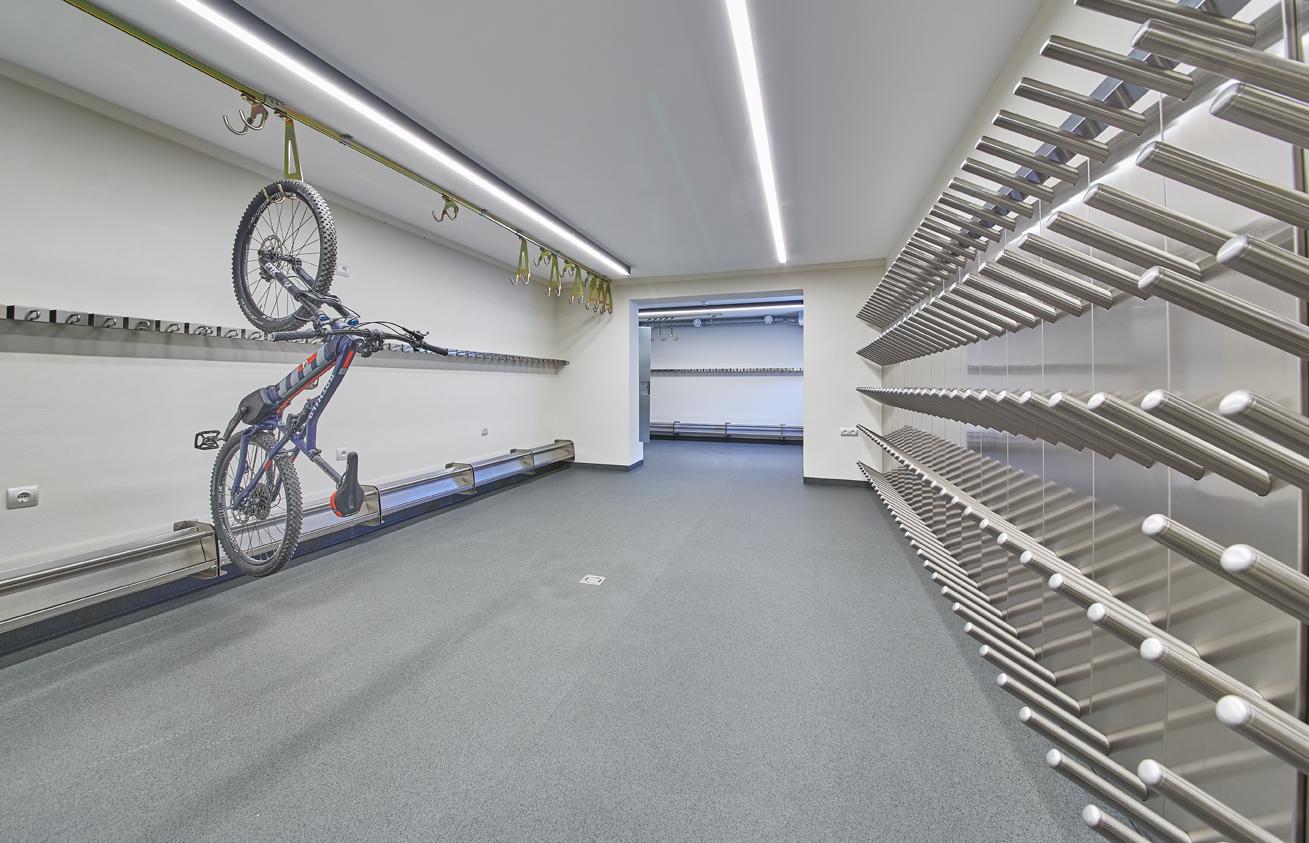
- 4. Separate and lockable bike room
- 5. Appropriate equipment of the bike room (at least 20m2, enough bike racks, lights and power connection for e-bikes)
- 6. Bike cleaning station (water hose, cleaning set)
- 7. Easy access to the bike room and cleaning area
- 8. Tool set for maintenance and minor repairs
GASTRONOMY
- 9. Need-oriented meal times
- 10. Rich breakfast offering
- 11. Lunch package on request
SERVICE
- 12. Laundry and drying service
- 13. Shower on the day of departure
OPTIONAL CRITERIA
- 14. Sale of consumables (e.g. hoses, chain oil, ...)
- 15. Bike shop integrated into the company
- 16. GPS devices available
- 17. Virtual route map on your own website
- 18. Guided tours of the company
- 19. Bike and luggage shuttle on request
- 20. Bike and luggage transfer on request
- 21. Wellness and relaxation options (massages, whirlpool, sauna, baths/Kneipp)
- 22. Swimming facilities (pool or pond, indoor, outdoor)
- 23. E-bike charging station
- 24. Extended equipment of the bike room (workbench and/or a repair stand
Questions? Our experts are happy to help – we are there for you every step of the way to becoming a mountain bike destination.