Climate change, fluctuating snow conditions, and altered guest expectations are fundamentally changing traditional winter tourism. And not just in the high Alps.
The Snow Compass, the scientifically based strategic instrument of Swiss cable cars, Switzerland Tourism and VSTM, covers 23 regions throughout Switzerland: from the high alpine peaks to the pre-alps and the Jura (Swiss cable cars et al., 2025).
THE DATA IS CLEAR:
A study by the University of Neuchâtel and the WSL Institute for Snow and Avalanche Research (SLF, 2016) shows that the snow season in the Swiss Alps begins on average 12 days later and ends 25 days earlier than in 1970. This represents a loss of approximately one month of winter season. At the same time, the maximum measured snow depth has decreased by around 25 percent since then (Klein et al., 2016).
109 of Switzerland's 250 ski resorts are currently located at altitudes below 1,500 meters, which are no longer reliably snow-covered (Swiss Cableways / ETH Zurich, 2024). Around 169 ski resorts and village lifts have already ceased operations (Watson.ch, 2024). In Sörenberg (LU), lower-lying lifts have been permanently closed, and operations have been concentrated on the higher-altitude lifts (Stoffel, 2024).
It should be noted that not all areas are affected equally. According to the Schnee compass, destinations above 1,800 meters are still considered snow-sure. This clearly shows that the pressure to act is altitude-dependent (Seilbahnen Schweiz et al., 2025).
This is precisely where the Compass Snow to: One of the three central basic strategies, „"Strategy C: Remaining seasons as compensation"», describes the path we have been helping to shape with ALLEGRA for over 20 years – and the destinations such as Moléson and Black Lake Today, we must take concrete action: the targeted strengthening of the summer and year-round offerings as an independent tourist season.
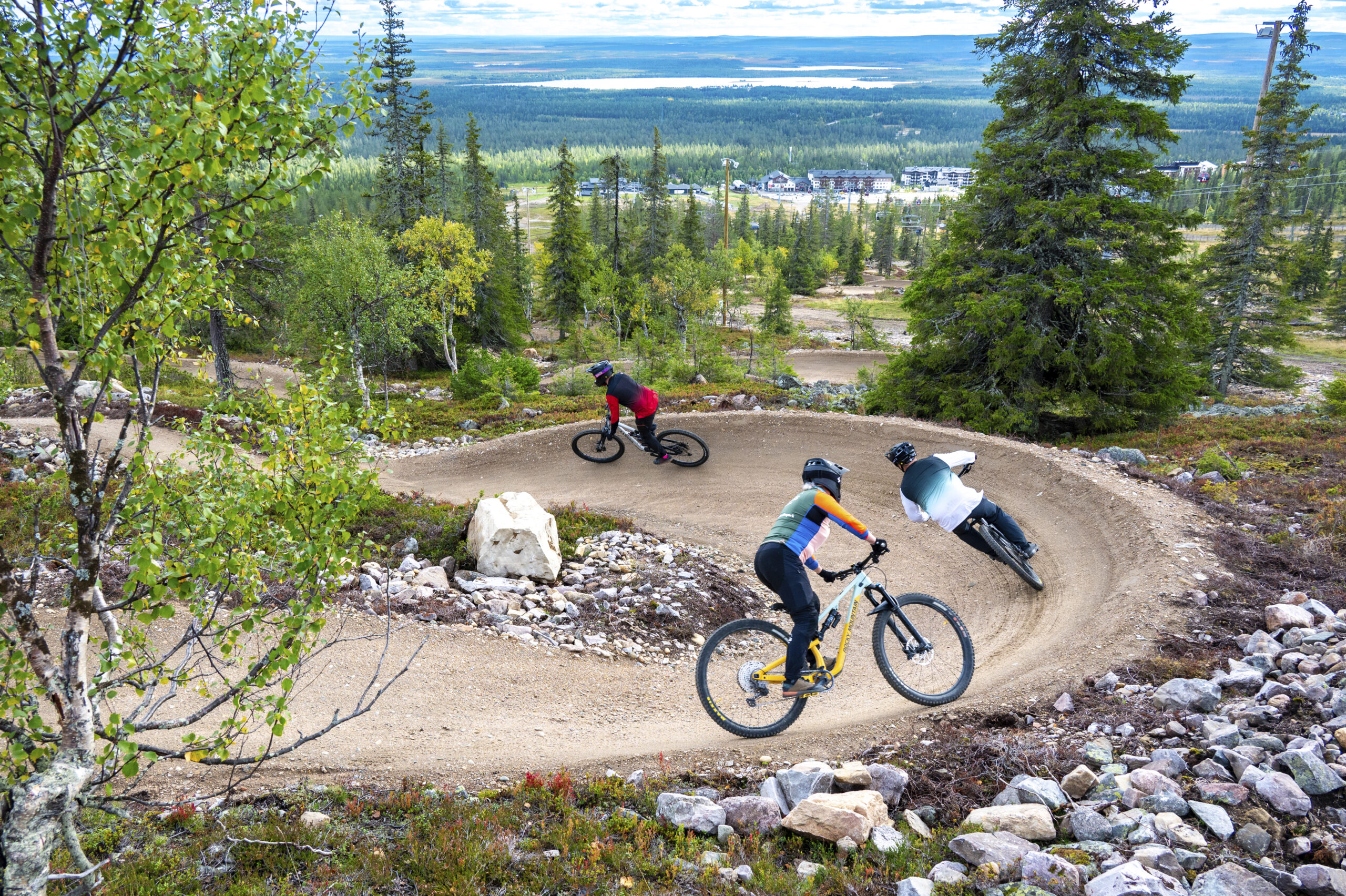
Specifically, Strategy C means expanding outdoor activities such as biking, hiking and trail running – with viable business models and clear market positioning.
MOUNTAIN BIKE TOURISM AS A GROWTH DRIVER
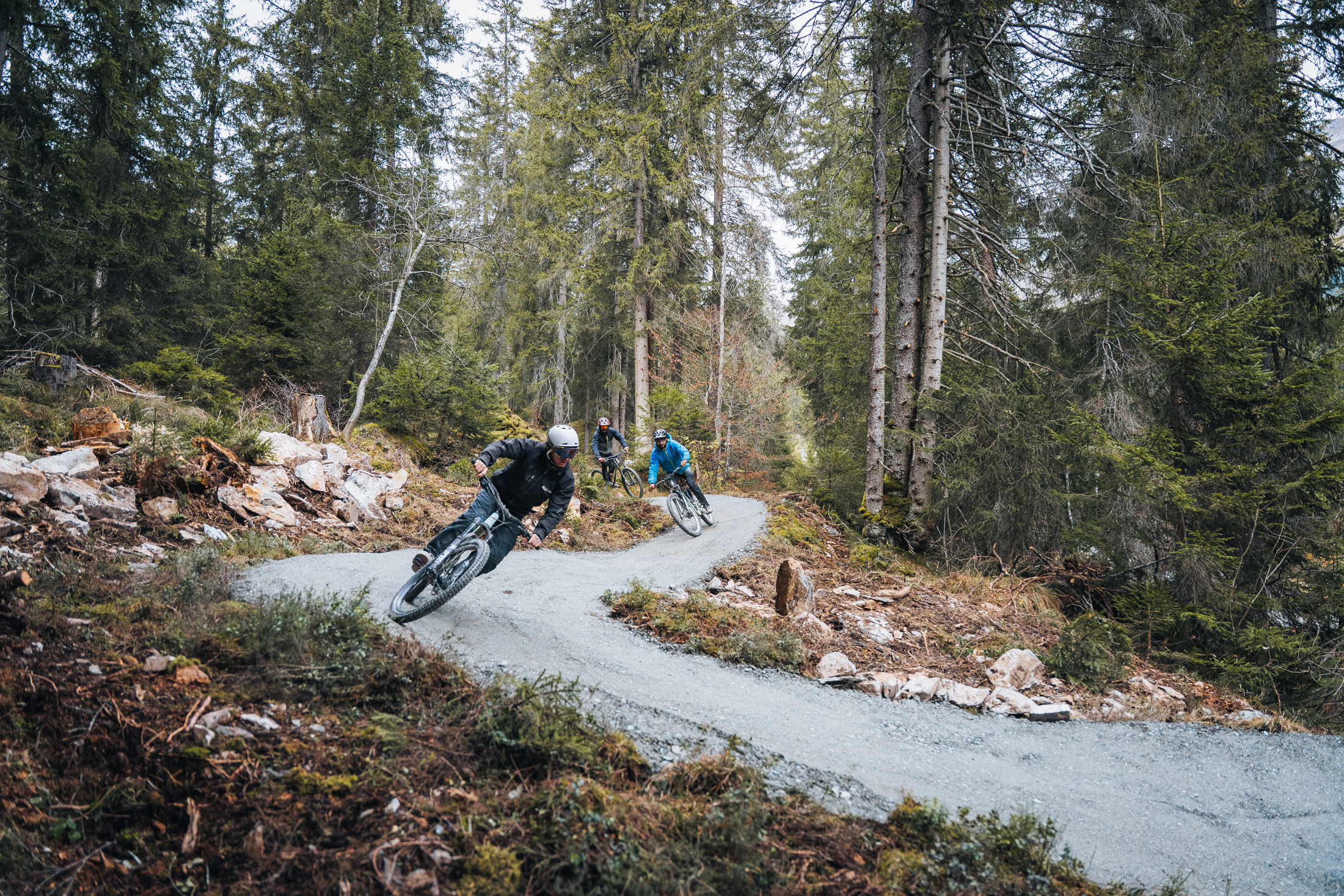
Mountain bikers stay longer, spend more, and create new value chains. Mountain railways, hotels, restaurants, sports retailers, and regional service providers benefit directly from this. In Graubünden, the average daily expenditure value is mountain biking at 304 CHF (bike impact Study 2025, Graubünden Bike) – a concrete argument for the strategic development of a Bike offer.
A well-designed trail and experience offering increases guest satisfaction and directly impacts a region's economic performance. Crucially, it's important to distinguish between routes and networks: A signature route like the Stoneman Challenge or a multi-day stage is a powerful flagship offering that generates attention. But who rides the same route twice?
Returning guests, longer stays, and increased economic value result from an attractive, diverse trail network that constantly offers new combinations and experiences. A good network brings guests back; a good route brings them there for the first time.
In addition, there is the effect of the season extension:
A great summer offer opens up Not only July and August, but also the shoulder seasons of May, June, and October. These are months when weather conditions are often ideal and the areas are less crowded. Swiss mountain railways recorded 29 percent more visitors in October 2025 alone than in the previous year (Swiss Cableways, 2025) – a sign that demand during the shoulder season is real and growing. Regions that... Offer opens early in the year and late close, They are the first to tap into this potential. Mountain railways, restaurants, and hotels also benefit significantly. outside the classic winter season.
CHALLENGES AND SUCCESS FACTORS
Growth brings with it specific requirements:
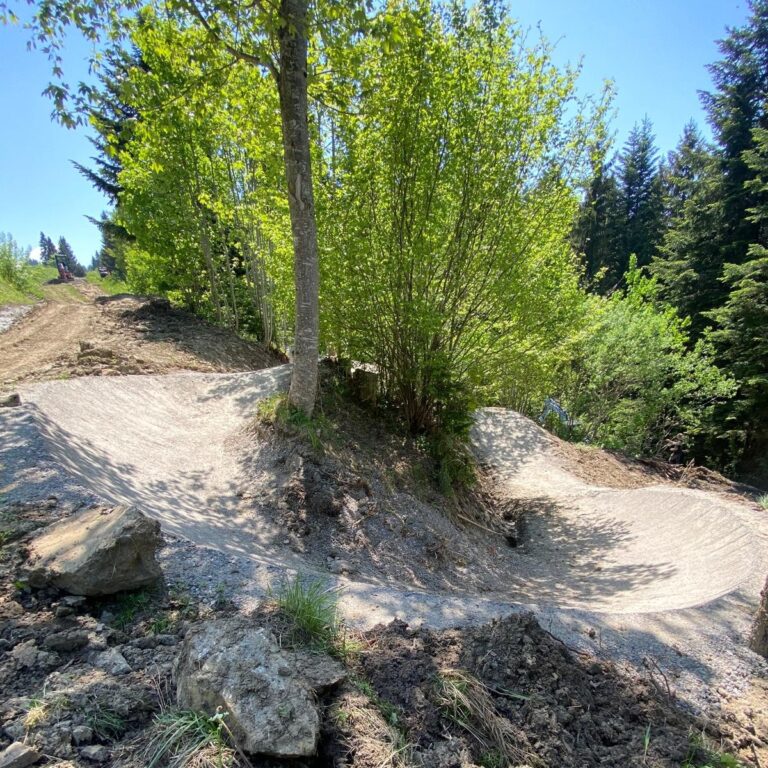
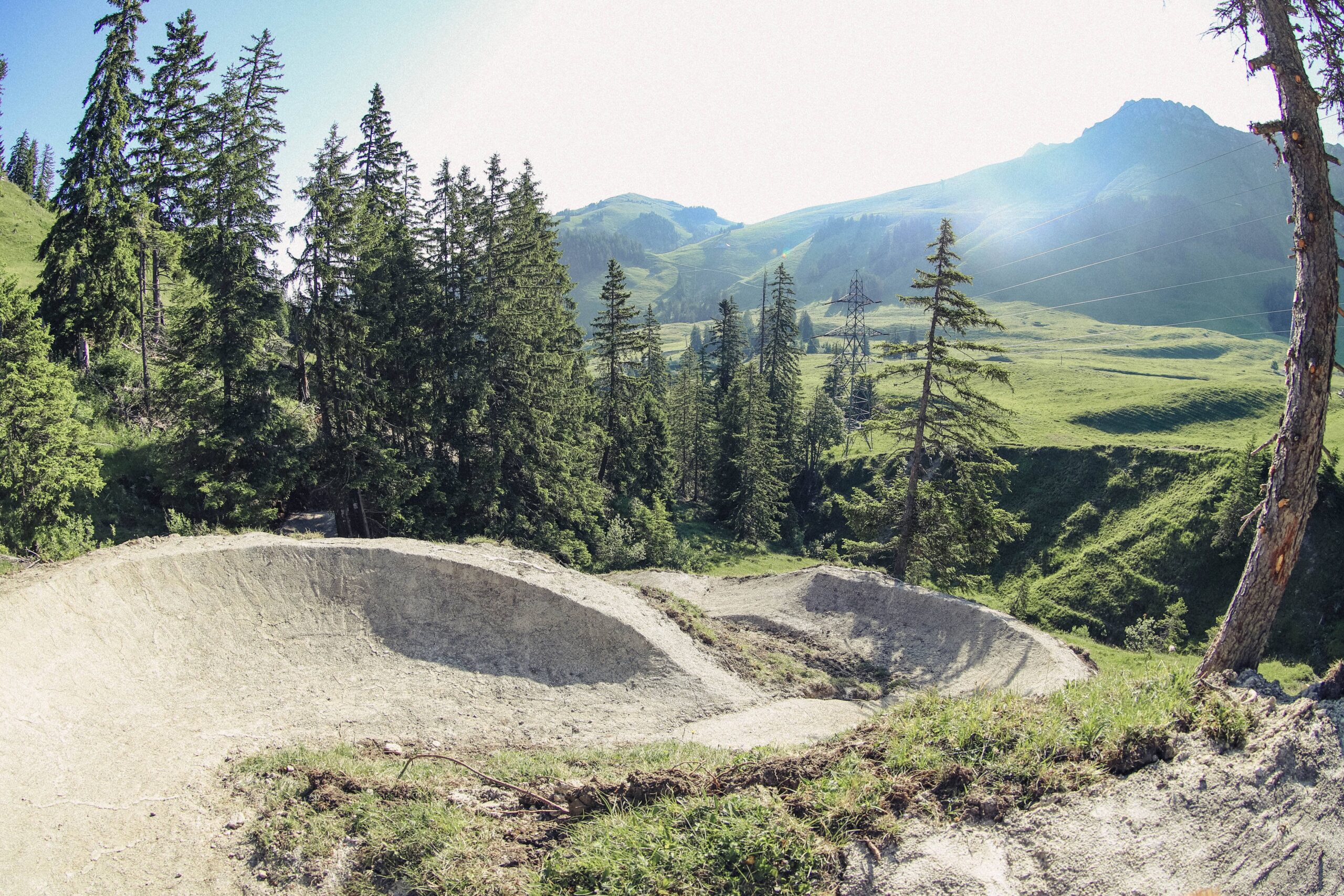
- Sustainable infrastructure: The planning, construction and maintenance of trails, pump tracks and bike parks must be environmentally friendly and meet the usage requirements.
- Visitor management: Conflicts between bikers, hikers and agriculture should be addressed early on.
- Integration of nature conservation and environmental aspects: Offerings must be developed with a sound ecological basis, without diminishing the recreational and experiential quality. However, quiet zones that apply in winter must also be respected for bike traffic.
- Dialogue with stakeholders is essential: municipalities, associations, tourism organizations and the local population must be involved in the planning and implementation.
Successful destinations They pursue a holistic approach that combines planning, operation, experience design and further development.
CONVINCING EXAMPLES
Moléson Bike Park, Canton of Fribourg
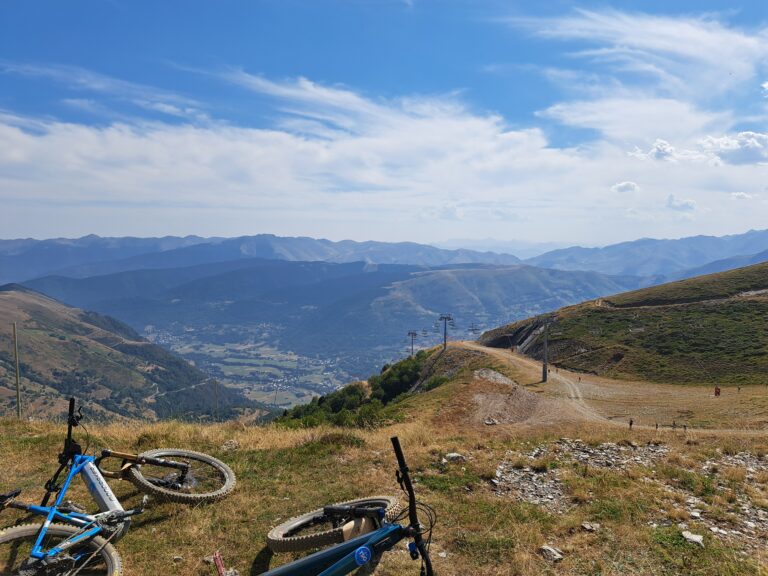
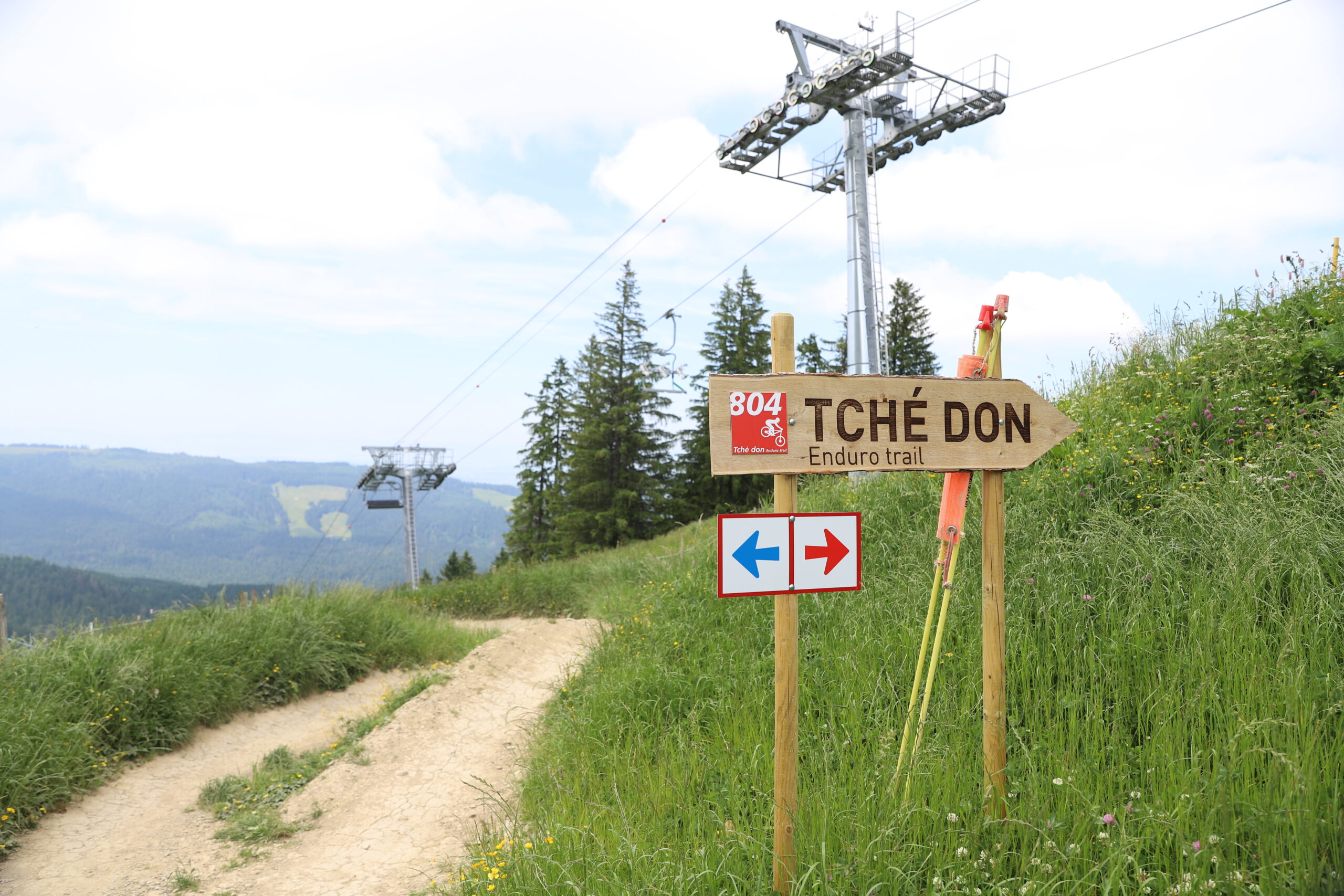
Moléson represents a clear strategic decision: the existing mountain railway infrastructure is being systematically expanded into a year-round destination. In winter, it offers slopes and toboggan runs, and in summer, a growing range of biking options. Since September 2024, the two flow trails have been opening up new possibilities. Modzon and Poya The terrain is suitable for families, beginners, and advanced riders, and is easily accessible from the mid-station via chairlift. A natural enduro trail followed in 2025. Cheers, Don A challenging third option for sporty, experienced drivers.
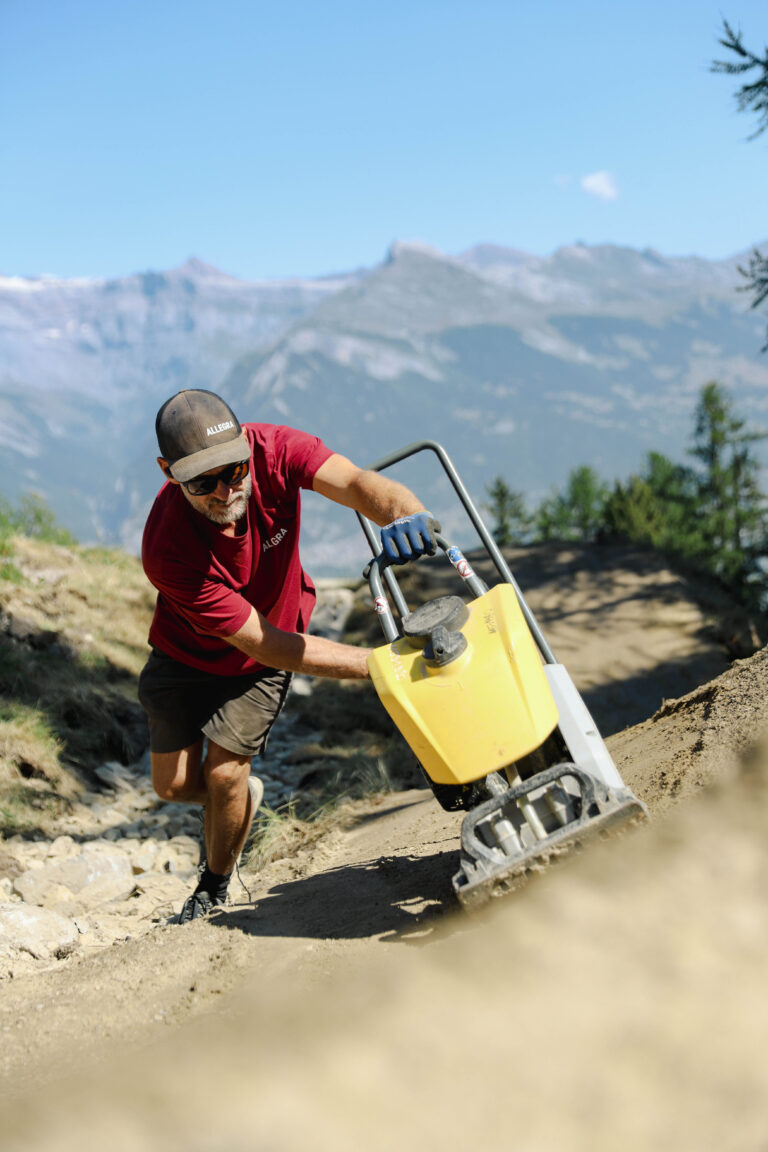
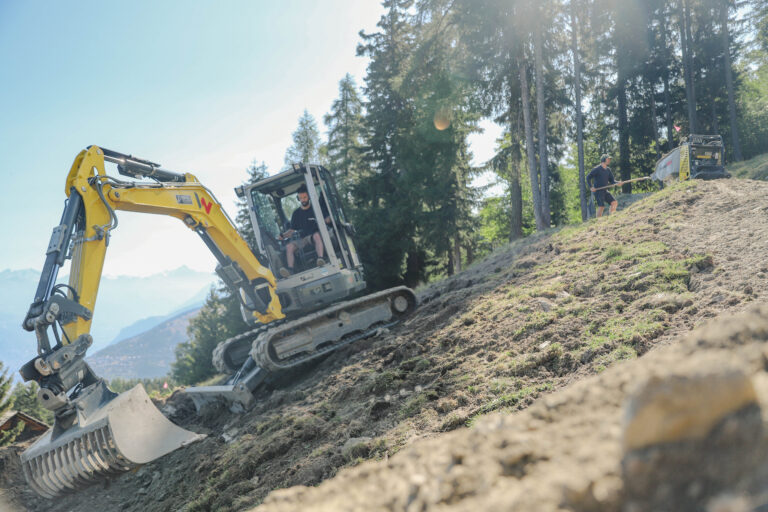
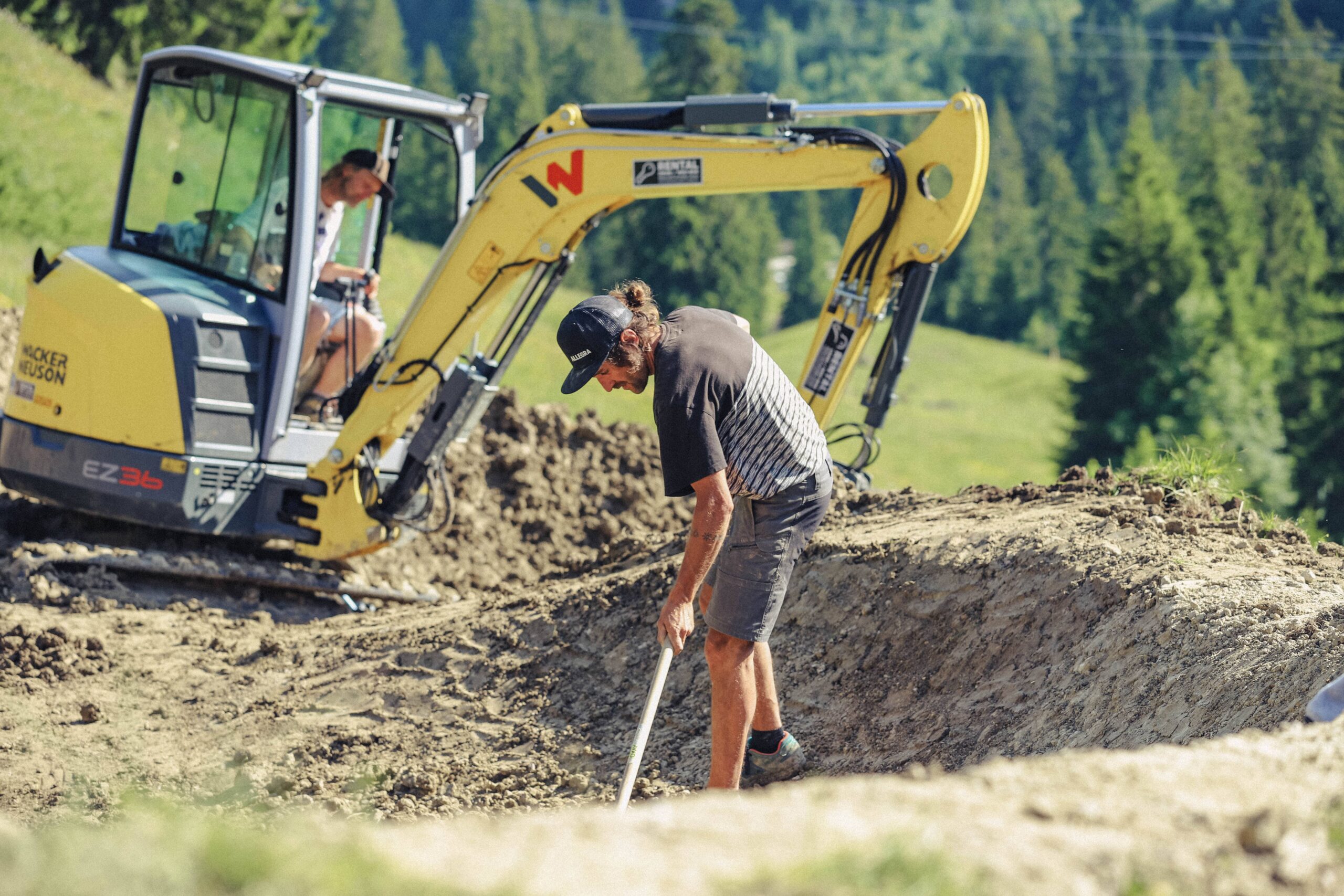
ALLEGRA has been supporting the Moléson bike park for years in the strategic development and diversification of its offerings towards mountain bike tourism and has fully implemented the planning and construction of all three trails.

“"What struck us most about ALLEGRA was their ability to combine technical precision with an understanding of the terrain. The Moléson bike park doesn't mar the mountain's appearance — it's part of it. That's exactly what we were looking for, and they understood it perfectly. We're extremely proud of the result."”
Antoine Micheloud, Delegate of the Board of Directors of the Moléson Mountain Railways
Schwarzsee Bike Park, Canton of Fribourg
Schwarzsee demonstrates that year-round tourism doesn't require a massive infrastructure. A diverse range of activities can be enjoyed in a compact area: swimming, boating, hiking, and mountain biking. Kaisereggbahnen Schwarzsee AG, in collaboration with ALLEGRA, has built a 3.6 km long flow trail with a 427-meter vertical drop, opening in September 2025 from the mountain station at 1,491 meters. The trail is intentionally designed for a broad audience: beginner-friendly berms and rollers in a basic blue layout, plus optional red and black features for experienced riders – all rideable and easily bypassable. The project was developed in close cooperation with the local community, and wildlife sanctuaries were consistently taken into account during the planning. This small area illustrates the significant impact that can be achieved when tourism, ecology, and local integration work together.
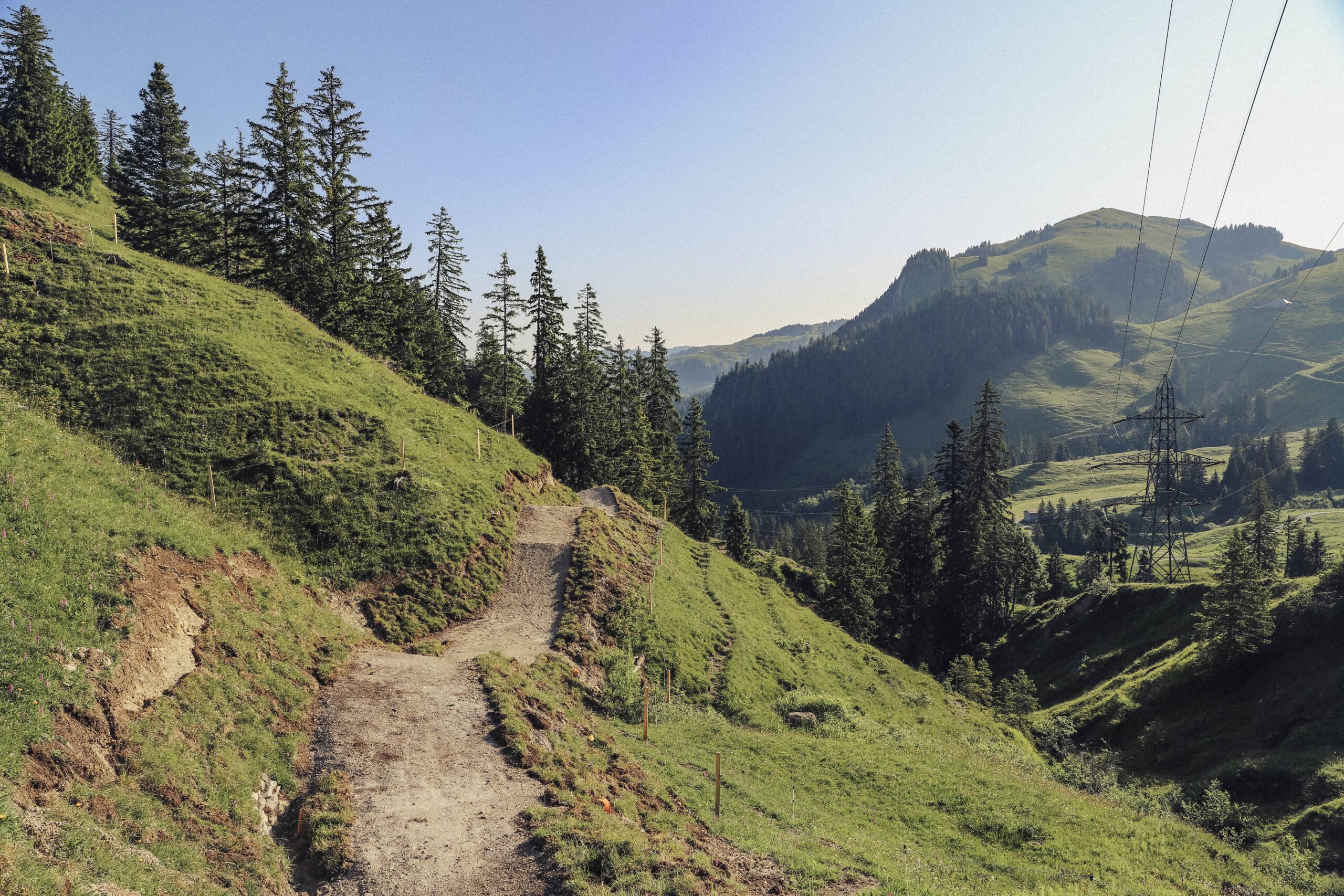
„ALLEGRA was exactly the right choice for building our bike Flow trails – competent and professional in planning and implementation. The trail is very popular with our guests and perfectly suits our target audience, from families to ambitious riders. An important milestone in strengthening our summer business.“
Kurt Waeber, Managing Director Kaiseregg cable cars Schwarzsee AG
OUR CONCLUSION
The shift from winter-dependent to year-round tourism is not only necessary, but also a great opportunity for mountain regions. The Snow Compass provides destinations with a clear framework. Strategy C1 shows that those who strategically develop their summer offerings now will gain an independent second season. This creates genuine resilience to climate change and economic prospects that extend far beyond the winter months.
We have been supporting destinations through this transformation since 2003. Not with standard solutions, but with regional understanding, international experience and the ambition to bring together economic efficiency, the environment and community.
Do you want to fully exploit the potential of your destination? We accompany you – from the development of a suitable strategy to its implementation on site, for example in the construction of new trails.