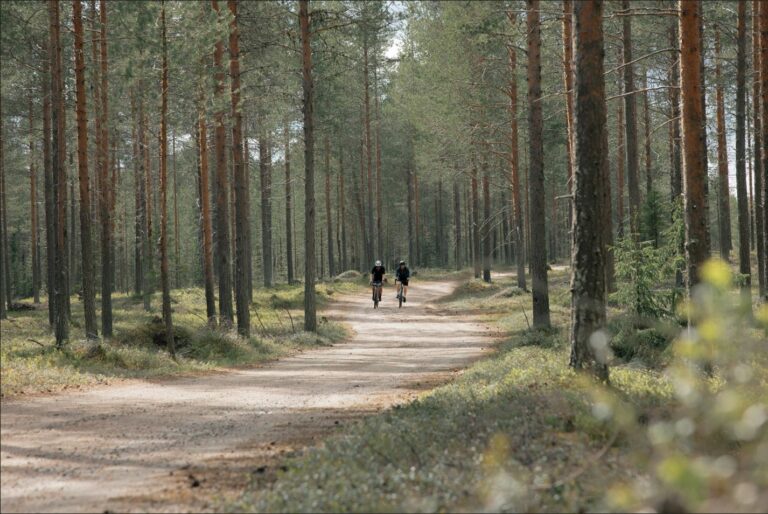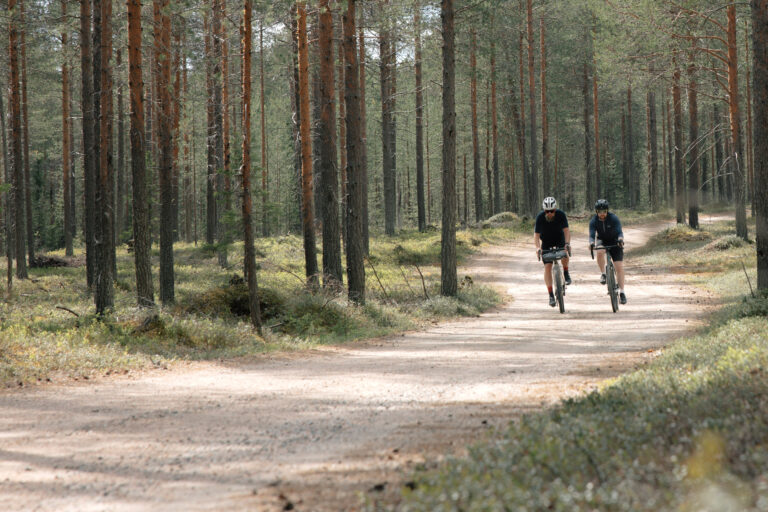

Mountains and nature are there for everyone – but how can we achieve respectful coexistence between mountain bikers, hikers, agriculture and forestry, and nature? Fairtrail Graubünden shows how it can be done: with dialogue, mutual understanding and concrete measures to promote coexistence.
We have with our Fairtrail and coexistence experts Kevin Suhr talked about the project.
What is Fairtrail anyway?
Fairtrail is committed to respectful coexistence between all trail users and promotes considerate behavior towards flora, fauna, agriculture and forestry. This is not just about rules, but above all about building relationships between the various actors. Mutual understanding creates respect and tolerance - the basis for sustainable and conflict-free use of the trails.
The project includes various measures: In addition to basic work and training, targeted communication campaigns and Fairdinand stakes an important role. Fairdinands are our local ambassadors on the hiking and mountain bike trails. They seek dialogue with all trail users and thus raise awareness for better coexistence. This is supplemented by concrete guidelines that help to ensure coexistence in the long term. Fairtrail is supported by Civil Engineering Office of Graubünden, ALLEGRA is responsible for project management.
What has already been achieved with Fairtrail?
Since the introduction of Fairtrail, noticeable changes have been seen. Analysis of complaints has shown that the perceived conflicts on Graubünden trails have decreased. This is not only shown by the analysis of complaints. The guides and partners on site also reflect a more relaxed mood. A key success of the project is the holistic involvement of numerous stakeholders - from outdoor athletes to representatives of agriculture and forestry to authorities. This close cooperation has helped to strengthen mutual understanding and sustainably improve the mood on the trails.
Fairtrail has also contributed to positioning Graubünden as a leading bike destination in Switzerland - even if this is not the direct focus of the project. However, it shows that a well-thought-out coexistence strategy can also contribute to the attractiveness of a region for sustainable tourism. By the way, did you know that “Wanderwege Graubünden” already stated in writing in 1994 that coexistence is the right way?
Where will Fairtrail go in 2025?
The next big step for Fairtrail is to involve the community even more. New approaches are planned to further promote direct exchange between trail users and enable active participation. At the same time, the focus on human-environment issues will be intensified. It is not just about improving the way people interact, but also about raising our understanding of nature and the effects of our own behavior. Sustainability and consideration should be given even greater prominence. The whole thing even goes a step further: trail use and (agricultural) economy are much more closely linked than meets the eye. A classic Swiss example is the milk and cheese industry of local farmers. When hiking and biking on the Swiss trails, you have probably come across one or two cows, the local farmer uses them to make regional cheese, which in turn is offered in the meals and for sale at the hut a few meters away, and we hikers and bikers then enjoy this during our rest.
Does Fairtrail also exist outside of Graubünden?
Yes, the concept is increasingly gaining traction in other regions. Since 2023, the Valais Fairtrail, and from 2025 the model will be adopted in Central Switzerland. Other initiatives similar to Fairtail have also established themselves in Switzerland - a well-known example of this is "Zämme Happy". Discussions with other cantons are already underway, which shows that the topic of coexistence is becoming increasingly important beyond Graubünden.
Fairtrail: Working together instead of against each other works – with the right approach.
Would you like to find out more or get advice yourself? Then contact our Fairtrail and coexistence expert directly Kevin Suhr.
Cover photo: Rafael Krebs/BORN