«"Coexistence in Graubünden is not only a conscious decision, but the only realistic and sustainable solution for using the existing infrastructure.".
– Kevin Suhr, external project management Fairtrail
As overall project management of Fairtrail At ALLEGRA, we are deeply committed to actively shaping the way people interact on the trails of Graubünden. Fairtrail is more than a campaign – it's a philosophy.
Our task is to anchor this attitude with concrete measures, coordinate stakeholders, and further develop the project in terms of content and communication. Our [project/initiative] is certainly also of interest here. Interview with project manager Kevin.
Below you will find the latest press release from Fairtrail Graubünden:
Fairtrail Graubünden: Coexistence works – fewer conflicts, more consideration on the paths
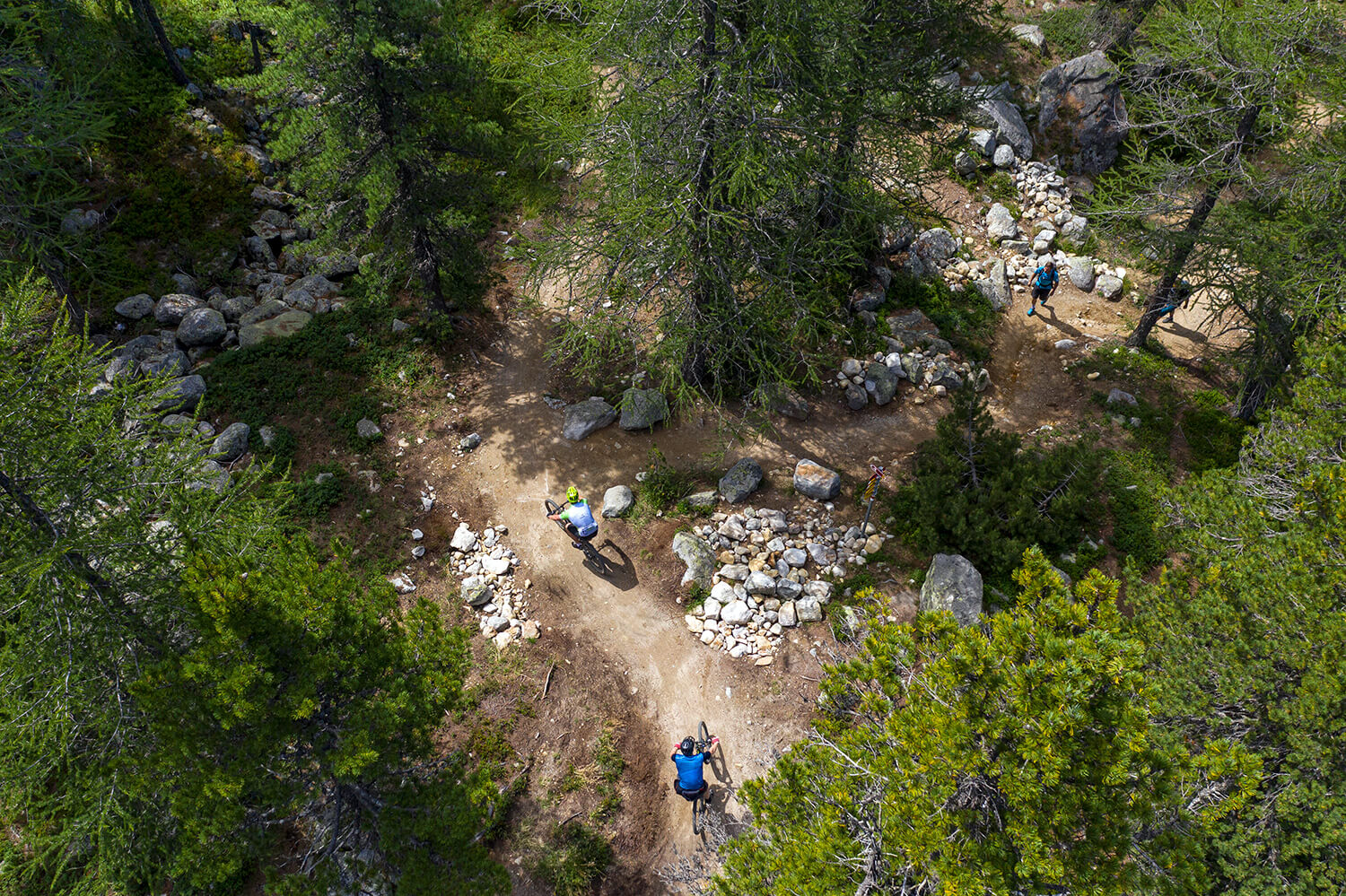
The Fairtrail-Year 2025 clearly shows: The shared use of the Graubünden hiking and Bike trails It functions largely respectfully and with few conflicts. This is evidenced by the cantonal complaint analysis. 2025, the Fairtrail-User survey and the feedback from the «Ferdinand»-deployments. Fairtrail This makes an important contribution to ensuring that the existing network of paths can continue to be used jointly.
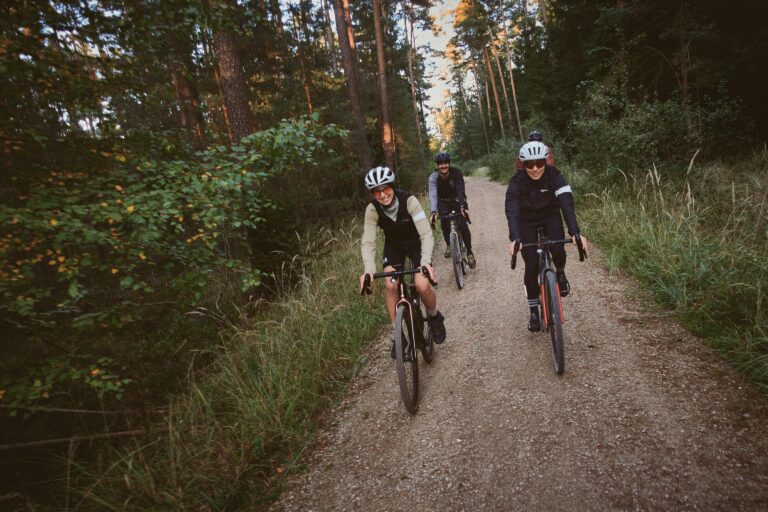
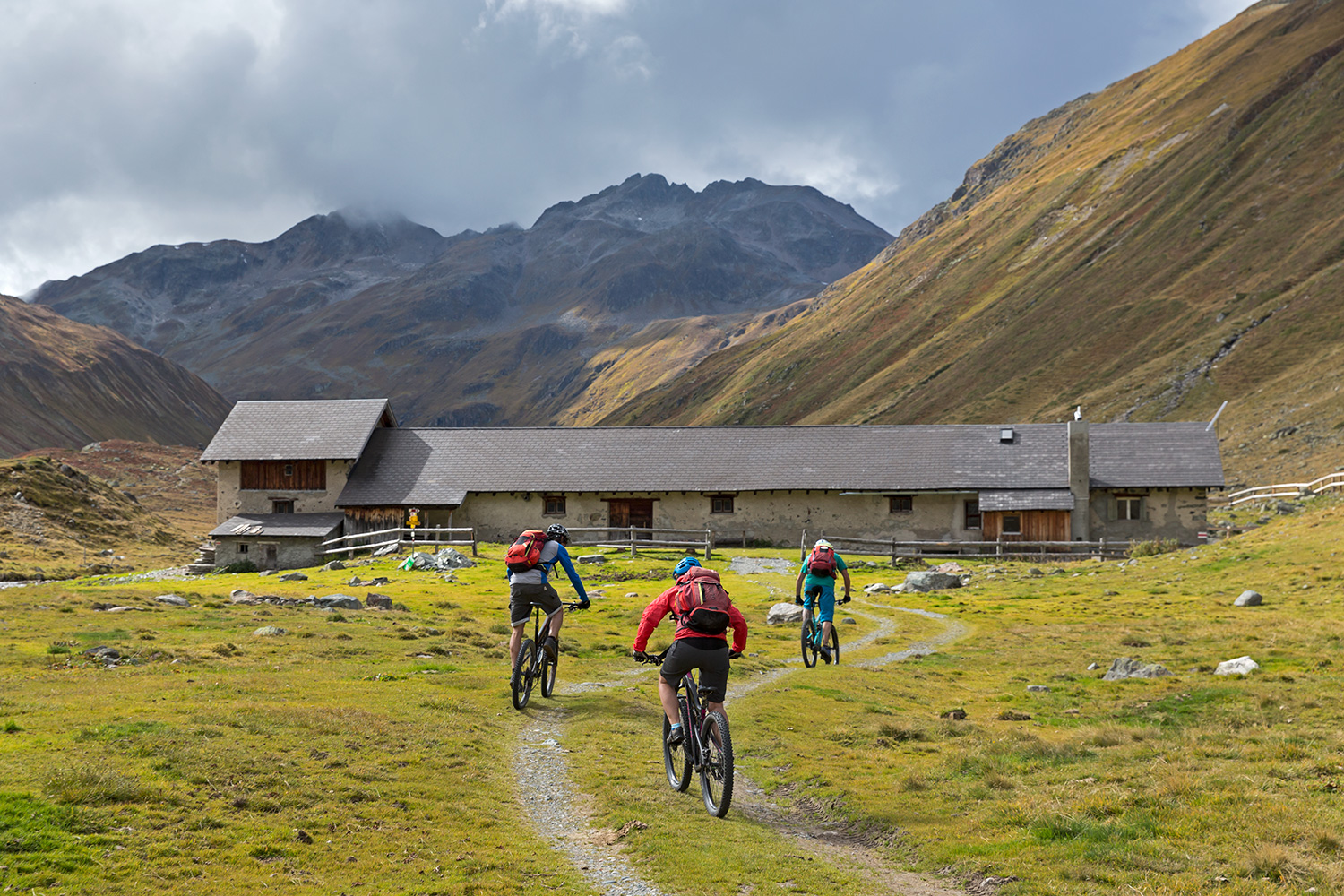
The project has been funding since 2019. «Fairtrail Graubünden» Respectful coexistence between cyclists and hikers on the slow-traffic paths of the Grisons mountains. The campaign raises awareness of coexistence and consideration for fellow human beings, nature, agriculture, and wildlife.
Few conflicts despite high usage
The company has been evaluating data since 2018.The complaint analysis of the Graubünden Civil Engineering Office received from destinations, mountain railways, associations and sponsoring organizations Complaints of hikers and since 2024 also from biking out of.
The analysis from 2025 showed that the registered Complaints remain at a consistently low level move. In total, last year 114 Complaints from Hikethe and 40 Reports from Bikingthe recorded - this over 11‚000 Kilometers of marked hiking trails, approximately 4,500 Kilometers marked mountain bike routes and very high tourist use.
The complaints primarily relate to the network of paths and the infrastructure, the signaling and the Transport facilities. Only 18 Reports (15 from hikers and 3 from bikers) address Conflicts between hikers and bikers – The number of related complaints has thus almost halved compared to the previous year.
Also the Complaints concerning Suckler cowsn went clearly back. The analysis thus confirms a continuing trend toward easing tensions in the area of coexistence: conflicts are sporadic and locally limited.

The majority experience the coexistence as positive.
Even at the Fairtrail User Survey 2025 A clear picture emerges: Around three-quarters of the 900 respondents indicate that coexistence on the trails works well. In particular, the majority of cyclists, e-bikers, and trail runners see sufficient space for all user groups.
Hikers' assessment is somewhat more reserved, but still predominantly positive. The majority of those surveyed perceive Fairtrail as a useful support system and confirm that consideration and tolerance already function well on the trails in Graubünden.
«As an avid trail user, whether mountain biking or hiking, I see this project as a socially beneficial and meaningful approach. At a time when many are increasingly prioritizing their own values, we are consciously focusing on collaboration and active communication. This approach generates a great deal of goodwill, which is even envied by some other regions. However, it is not a given, but rather a conscious decision to preserve freedom for everyone who enjoys being active in nature.»
– Michael Christ, internal project manager, Civil Engineering Office of Graubünden
Specialist department for slow traffic
Impact through personal encounters
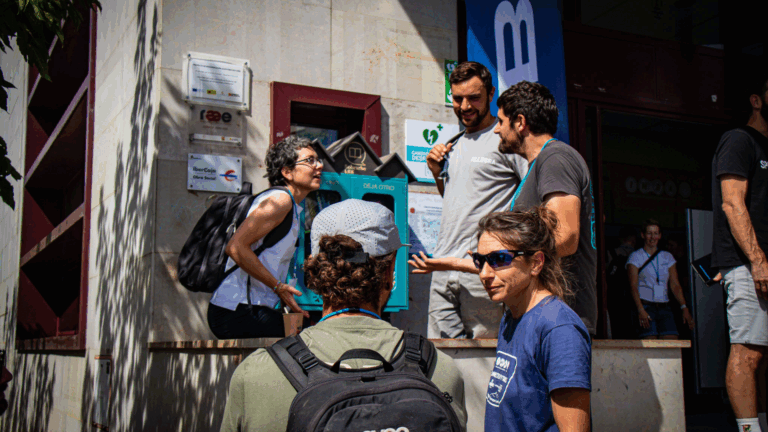
A central role during sensitization play the «Fairdinands». Over 30 of these FairtrailThere were ambassadors in 2025 present and conveying information on the pathsten the Fairtrail-Establishment directly on site. During 68 days of operation, they conducted approximately 6000 operations. Conversations.
The feedback have shown that it hoften less about conflicts between hikers and bikers goes, but more Topics such as grazing animals, fence openings, or sensitive natural areas are discussed. Here, too, the discussion unfolds. Fairtrail a preventive and de-escalating effect.
Raising awareness instead of bans
The experiences of recent years confirm the path taken by Fairtrail for a shared and respectful approach to non-motorized transport routes. With an extensive, freely accessible network of paths, blanket bans are neither practical nor effective.
Raising awareness, clear messaging, and personal contact are more sustainable. Fairtrail relies on simple rules of conduct, regional measures, and dialogue with all stakeholders.
Coexistence as an ongoing task, also with the environment and nature
Despite the positive results, coexistence is not a given. New challenges are emerging, including... due to increasing Pressure of use in sensitive areas. Fairtrail It will therefore be consistently continued and further developed – with the aim of further strengthening respect and tolerance between path users as well as towards forest, wildlife and alpine farming.
Fairtrail as a role model
The idea that coexistence based on the Graubünden model is a sensible approach is now understood elsewhere as well. For example, the Valais and Central Switzerland regions have adopted this model. Fairtrail Adapted and adopted from Graubünden. In the neighboring canton of St. Gallen, the cantonal council also voted in favor of coexistence on the road network in 2025, thus laying the foundation for a similar system in the future. «Fairtrail-Canton» to become.