In Switzerland, around 5 percent of the adult population plays football. At the same time, over 10 percent of adults ride mountain bikes or gravel bikes.*Both are established and important forms of movement – and both need suitable places where they can take place.
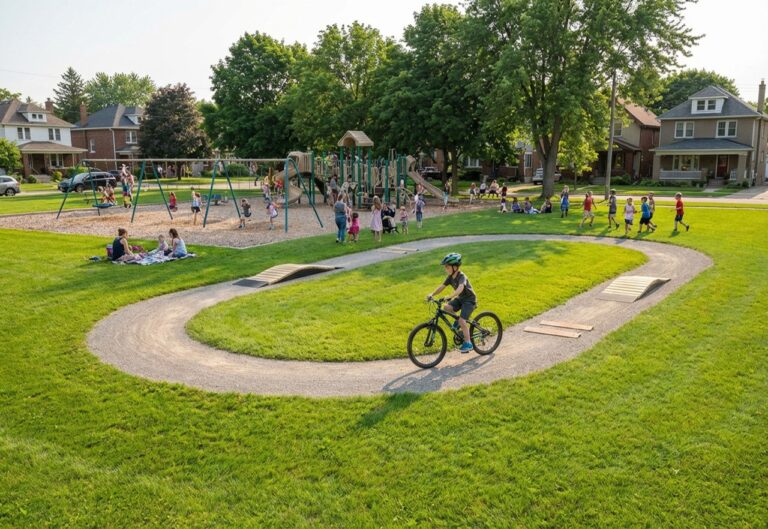
While artificial turf pitches offer clear, structured training areas, trail centers and skill parks bring a unique diversity to the game, combining nature and movement in a confined space and simultaneously offering room for many people with different ages and skill levels.
We'll take a look at Costs, space requirements and forms of use and what contribution such bike offers can make to active communities.
500,000 euros – What can you get for that?
A modern artificial turf pitch costs around €500,000 on average – naturally, this depends on the specific project. This includes earthworks, drainage, the substructure, the artificial turf itself, lighting, and all the surrounding infrastructure. For clubs, it's a perfect place for training, matches, and competitions – a meeting point that demands clear structures.
But for the same amount of money, a different kind of exercise paradise could be built. Bergheim Bike Park In Austria, this demonstrates just how exciting it can look: Flow lines, jumps, an asphalt pump track, and wooden elements were created on an area of 12,000 m². Inclusion was also a priority: In addition to a wheelchair-accessible pump track, there is also a green trail that is ideally suited for mountain handbikes.
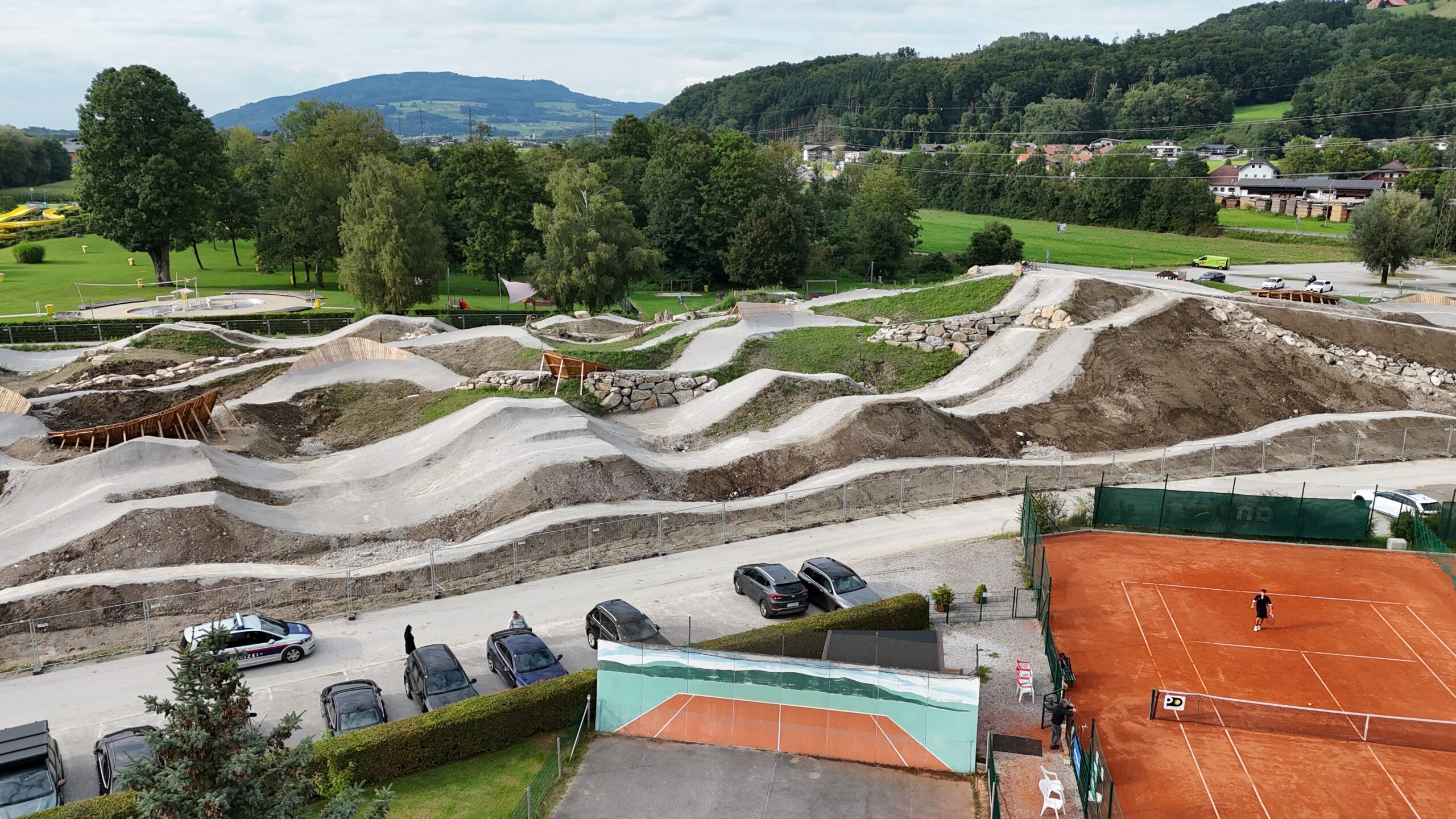
Topography optimally utilized
Level surfaces and stable substructures are essential for artificial turf pitches – a solid framework that ensures structured use. Trail centers usually take a different approach: they integrate themselves into the existing terrain.
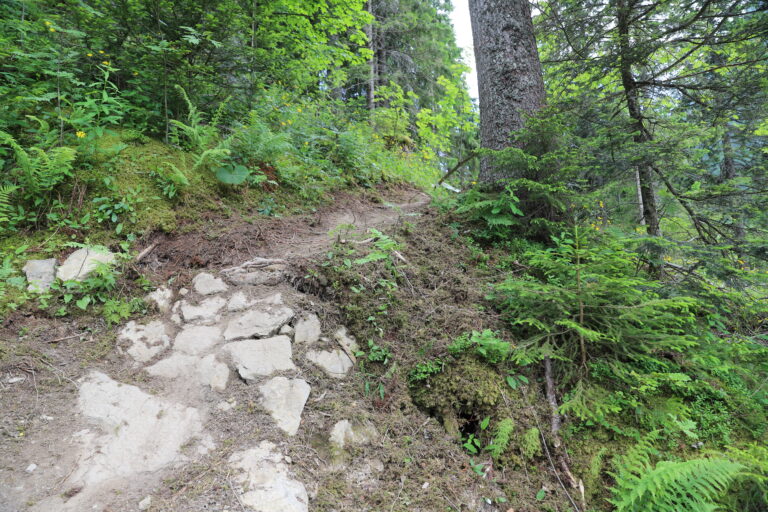
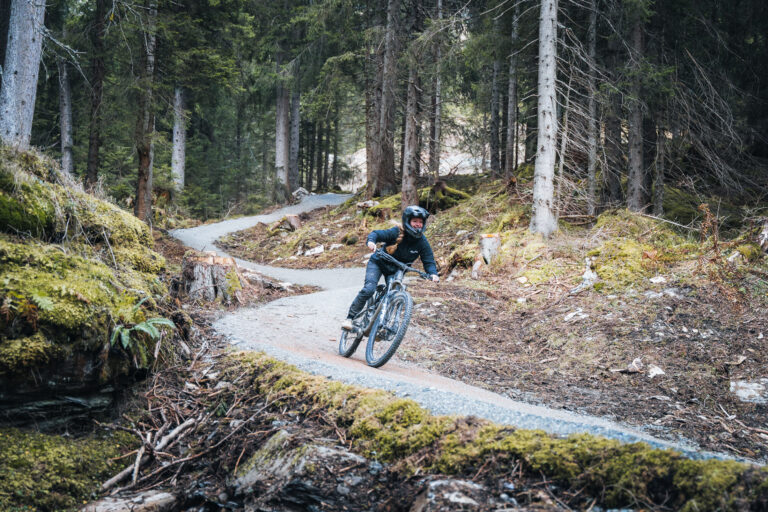
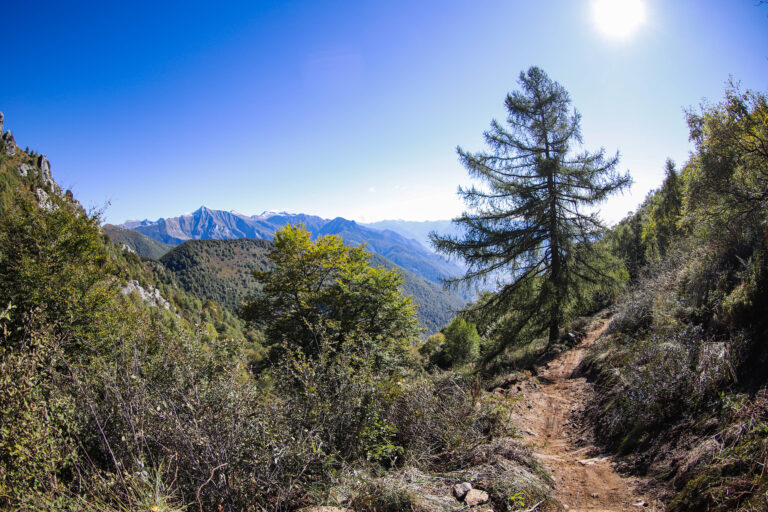
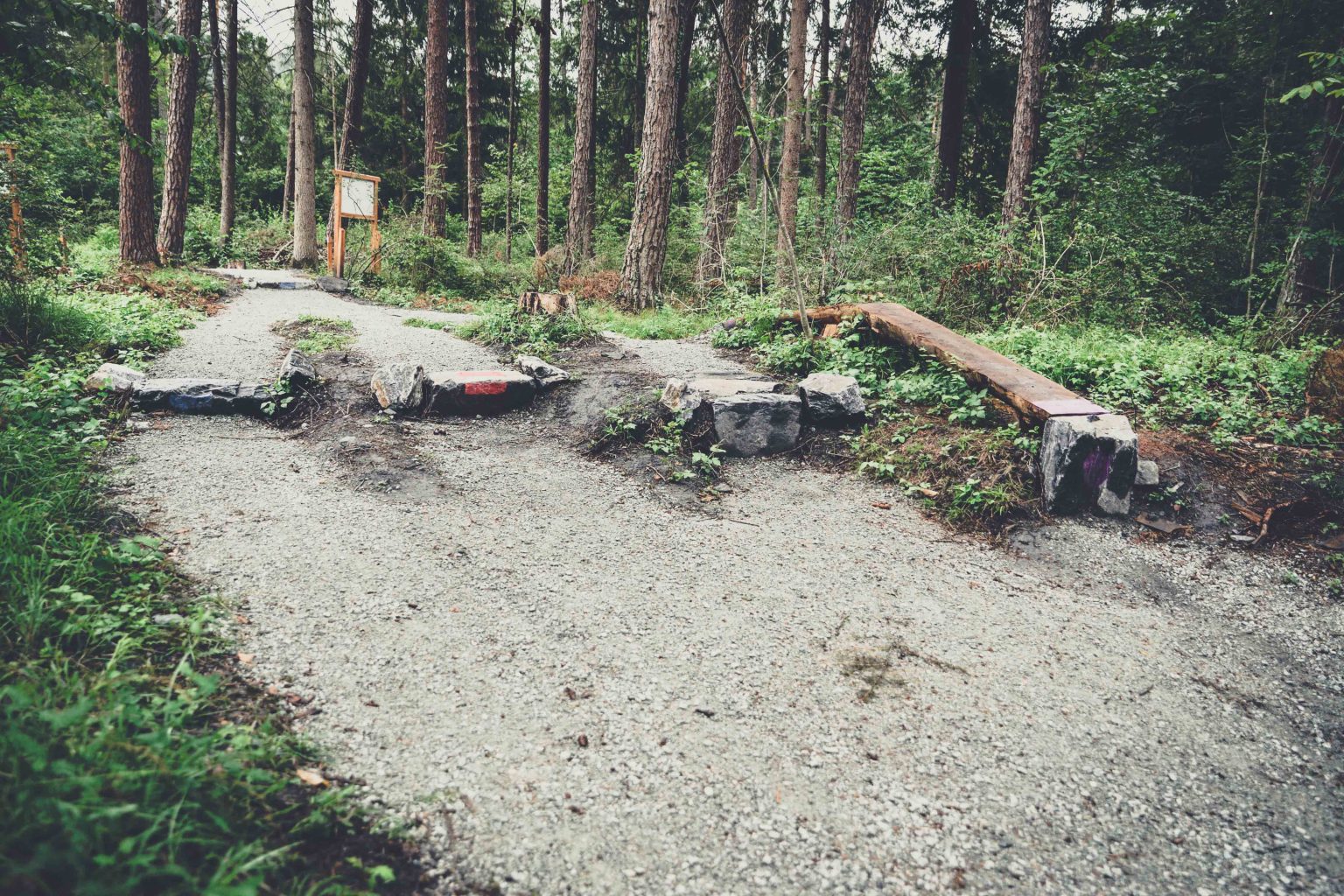
The Trail Center Thusis This is an example of how to cleverly integrate natural hills, paths, and lines. The trails follow the slope, drainage for rainwater is taken into account, and the materials often come directly from the surrounding area. The result: a riding area that is not only exciting to ride but also blends well into the landscape and can be easily expanded.
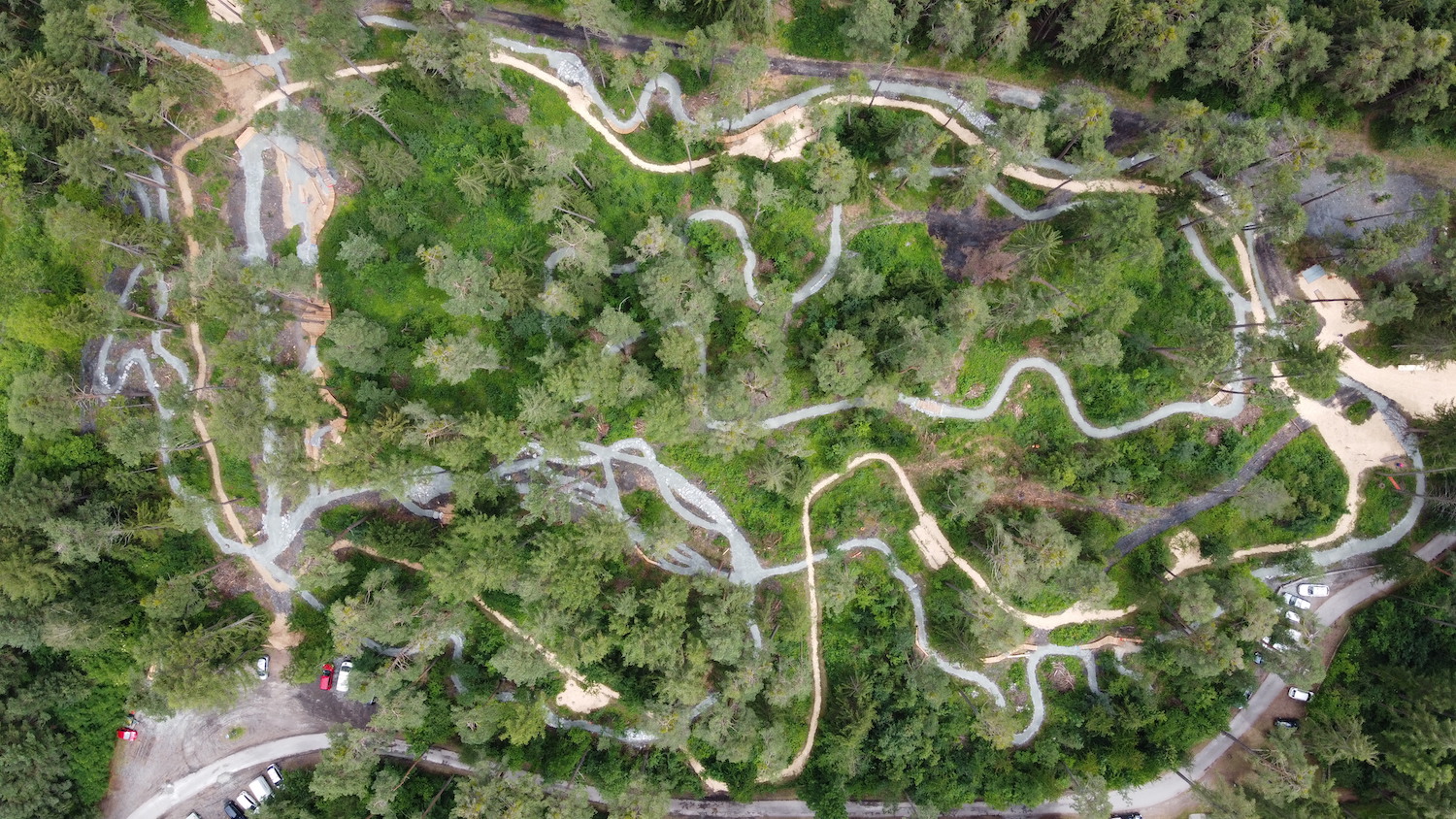
Diverse uses and biodiversity
The diversity of uses can be seen in the Trail Center Aesch To demonstrate: The facility is open to all age groups, combines sport, leisure and tourism, and ensures that exercise is fun. In 2024, over 90,000 laps were completed here.
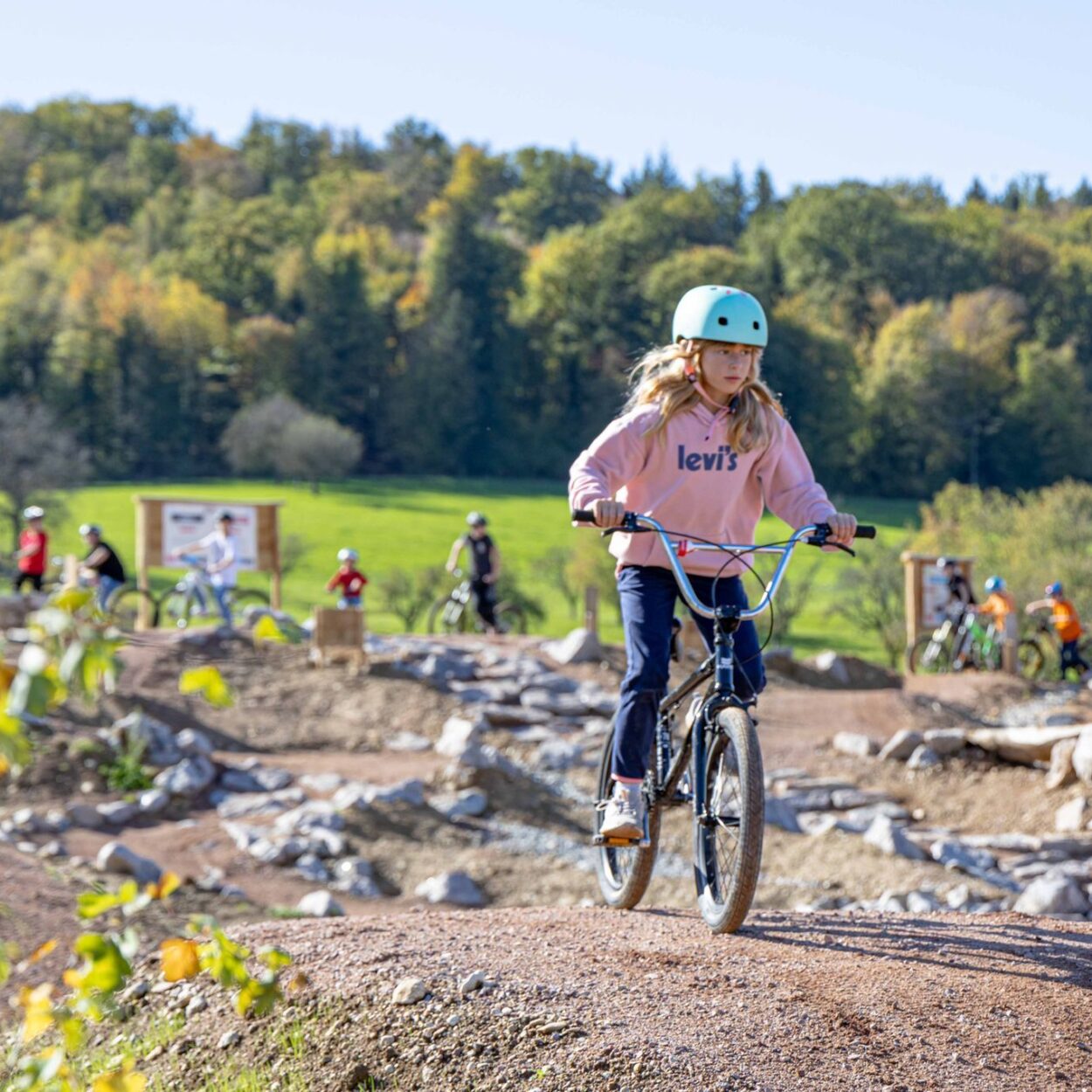
Artificial turf pitches are synthetic and functional, but offer little habitat for flora and fauna. Rainwater infiltrates only to a limited extent, and the surrounding area remains largely ecologically isolated. Trail centers can combine athletic use with ecological benefits. By specifically creating nesting sites, retreat areas, and biotopes, new habitats can be established.
MORE BENEFITS PER AREA
Artificial turf pitches remain the classic sports venues: clearly structured, ideal for training and competitions. An artificial turf pitch costs around €500,000 and is primarily aimed at clubs. Trail centers and skill parks offer significantly more benefit per unit area for the same investment.
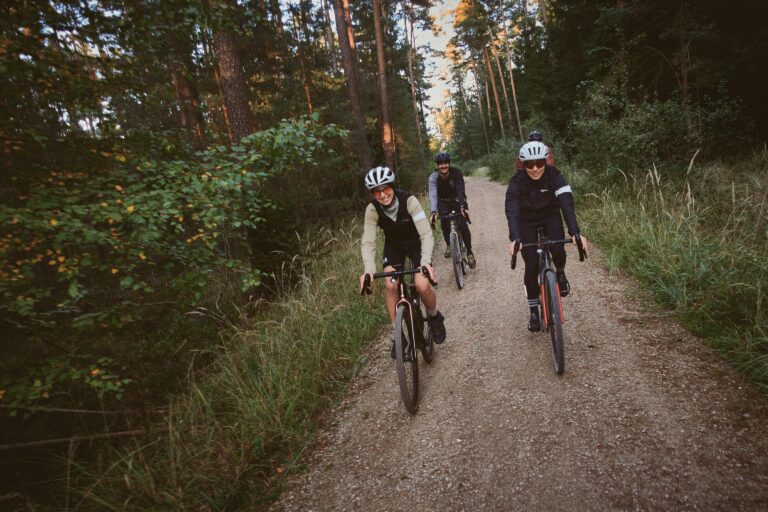
They utilize the natural environment, appeal to all age groups and skill levels, can be expanded modularly, and are publicly accessible. This creates a space for movement that inspires everyone from beginners to professionals, from families to tourists – a win for all.
Create added value and strengthen regions with mountain biking!
Do you also want a trail center or skill park for your location, destination, or community? New and exciting trails for a wider audience? Or would you simply like to know how many people are using your trails?
Then contact our tourism planning and development experts – we look forward to hearing from you.