Are e-bikes really less sustainable?

Determining the effective environmental impact of an activity is a complex matter.

Written BY

Determining the effective environmental impact of an activity is a complex matter. It may seem easy at first glance to distinguish one environmentally friendly activity from another. In reality, however, many factors are interrelated and influence the actual environmental impact.

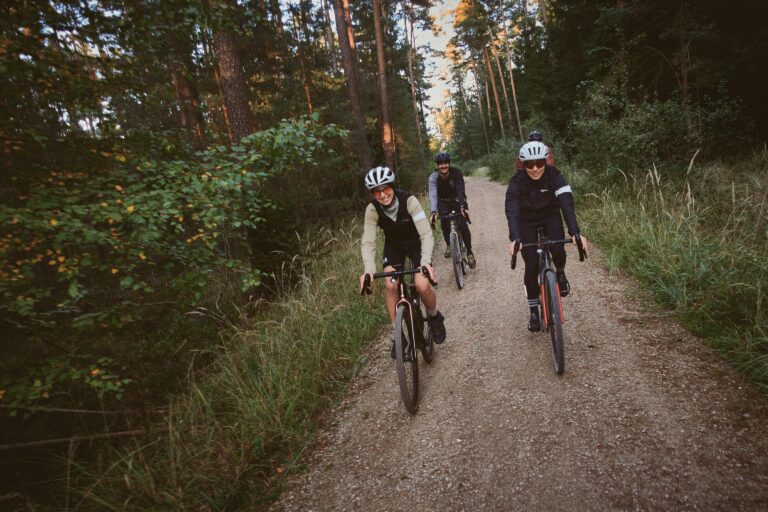
There is a widespread belief that e-bikes have a higher environmental impact than traditional bikes due to their electric drive. However, this idea is not necessarily correct. In fact, e-bikes can be more environmentally friendly than traditional bikes when the calorie consumption of the riders is also taken into account.

A Swedish study by the environmental research institute IVL has found that the use of e-bikes on a route can produce up to 60 percent less CO2emissions than the use of conventional bicycles. The reason for this is a surprising connection: Because e-bikers burn fewer calories than other cyclists, they also need less food and thus contribute to a reduction in CO2emissions.

The production, transport and storage of food are energy-intensive and contribute significantly to global warming. Since e-bike riders burn fewer calories thanks to the motorized support, they also need to eat less. Although the electric drive consumes additional energy, this is comparatively low compared to the environmental impact of food production.
MORE OF ALLEGRA

The future of movement: Why trail centers are the new sports fields!

While artificial turf pitches offer clearly defined training areas, trail centers and skill parks provide variety, a nature experience, and space for all ages and skill levels. We examine how such biking facilities affect costs, space requirements, and their contribution to active communities.

Planning & construction: Red shared trail “MONTI MOTTI” in Locarno

The ALLEGRA Switzerland trail crew has transformed a historic hiking trail into a unique shared trail for hikers and mountain bikers, combining red riding level with some black elements.

In FLOW – The neuroscientific approach

Fun, fear, focus: The FLOW state is the brain's state of peak productivity. What does this mean for mountain biking?

Return on Adventure: Mountain biking as an opportunity for regions

Mountain biking is more than just a sport—it's a lever for sustainable development in regions. From economic impacts to social interaction and personal development, our "Return on Adventure" approach demonstrates how mountain biking investments create long-term added value and strengthen regions.

Planning and construction supervision of the “Bikepark Bergheim” project

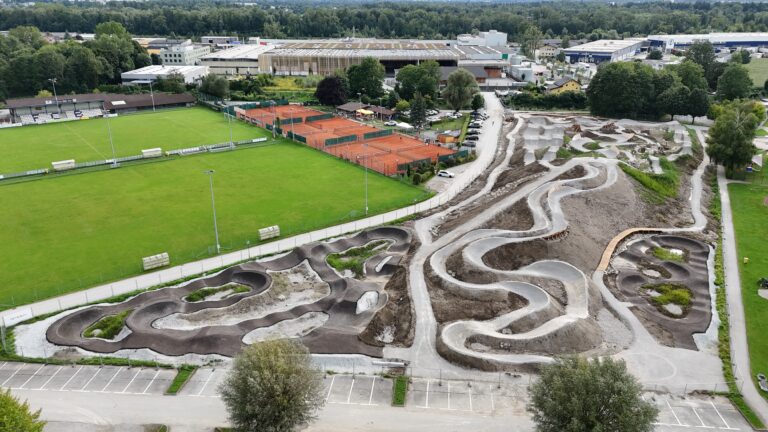
From a flat meadow to a unique feature with a lot of altitude - in Bergheim near Salzburg, an extraordinary project has been created in recent months

The Fairtrail picture book for children, families & nature fans

Our project manager Kevin talks about the Fairtrail magic: "Give your child—and yourself—the gift of wonder, of discovery, of togetherness. Because what we know, we love. And what we love, we protect."

Reduce speed – Our A-Team tips for practical trail building

Most user conflicts arise from excessive speed differences. Therefore, an important coexistence measure is to adjust the speed using technical means. We'll show you how!

Wegmacher 2025: A conversation with Martina and Jacky about trail maintenance in Scuol

They work where others vacation: Martina and Jacky manage the hiking and biking trail network around Scuol. In this report, they talk about what it means to maintain trails in all weathers – with a dog, tools, and a lot of passion. An insight into a job that balances nature, responsibility, and fulfillment.

Planning and construction of the Skill Center “Kids Bike Village” in Giswil

Mountain biking on your doorstep for the next generation - making ideal use of small spaces

Varied flow trail for the Kaisereggbahnen in Schwarzsee

The 3.6km long “Bike Flowtrail Schwarzsee” – a varied flow with many options.

Do you actually know

...what's really going on on your trails, hiking or cycling paths?

We use state-of-the-art technology to take (hybrid) frequency monitoring in alpine and urban areas to the next level!