A TREND WITH ECONOMIC POTENTIAL
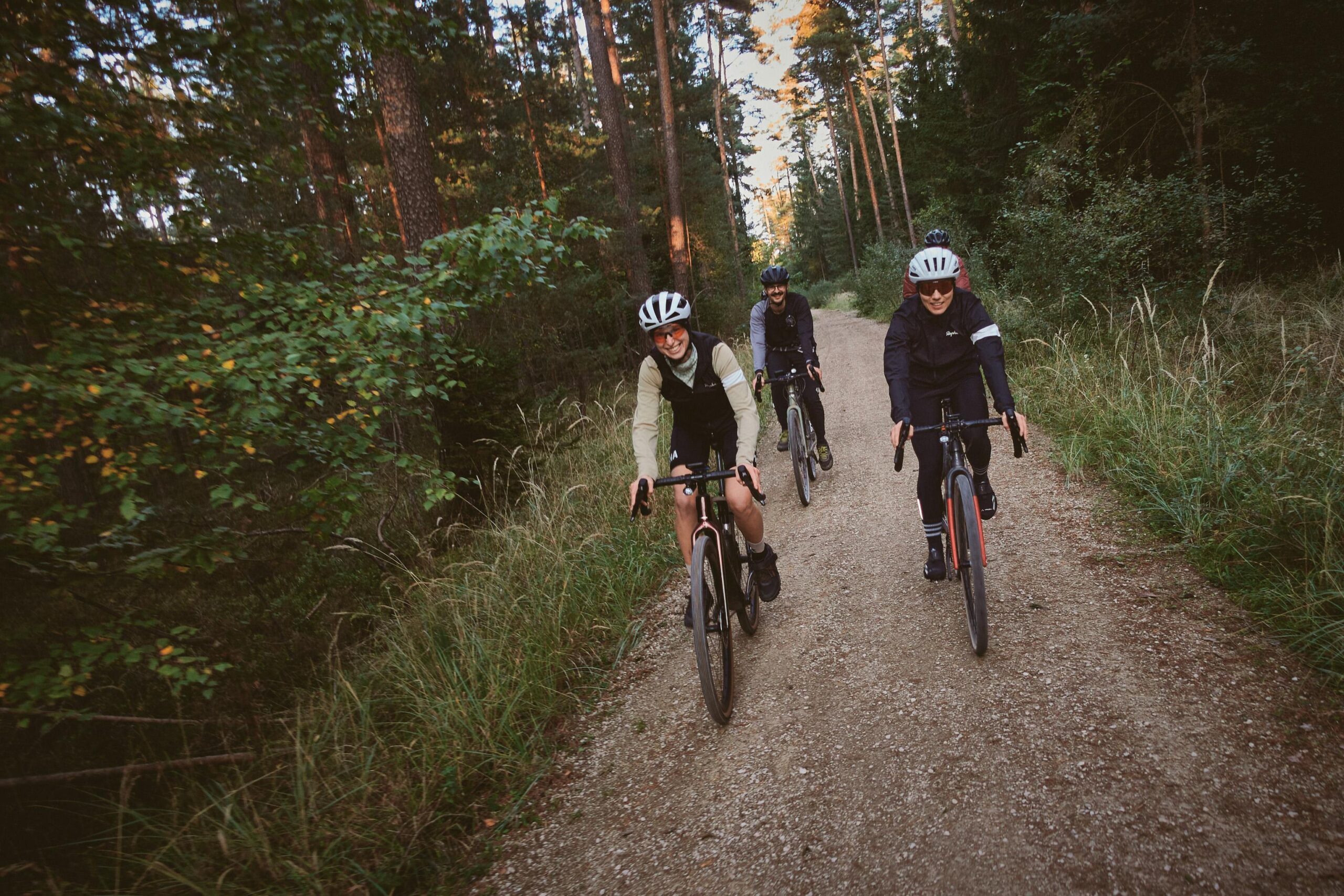
For some years now, a new discipline in cycling has been gaining increasing importance: The Gravel biking. It combines the characteristics of racing and mountain bikes and can be used on asphalt as well as gravel and forest trails. This versatility makes it gravel attractive to various target groups and enables flexible usage scenarios: VFrom short trips to multi-day tours.
According to figures from ZIV are sales figures rising Gravel and racing bikes are continuously increasing, with women representing an increasingly important customer segment. This opens up concrete opportunities for regions and tourism providers to reach new target groups, complement existing offerings, and strategically position themselves in the growing outdoor and cycling tourism sector. Also Velosuisse It is reported that gravel bike sales figures remain at a constant level. And electrificationThe ization is not stopping even before this trend.
MARKET DEVELOPMENT AND SIGNIFICANCE FOR TOURISM
The dynamics of the gravel bike market have a direct impact on tourism offerings. Gravel routes open up existing paths and connect landscapes that were previously off the beaten track of traditional cycling infrastructure. This potential can be unlocked with a targeted strategy.
This presents destinations with the opportunity to expand their portfolio and generate additional demand. Users are often experience-oriented, plan longer stays, and utilize regional services such as accommodation, restaurants, and transportation options. Regions with natural landscapes, dense trail networks, and decentralized services particularly benefit from this trend.
Flexibility as an advantage: The routes can be adapted seasonally and tailored to different experience levels. Whether as a complement to existing tourism products or as an independent component within the regional tourism strategy – implementation can be tailored to individual needs.
NEW TARGET GROUPS THROUGH CHANGING USAGE REQUIREMENTS
The discipline Gravel opens up opportunities to reach target groups beyond traditional sports segments.. The decisive factor is the communal nature of the event.r, the focus on experience instead Performanceg and a low entry barrier, the Movement in nature, without specialized prior knowledgee, enables.
For tourism, this means developing offerings that focus more on experiential areas rather than individual sports. Gravel biking combines exercise with landscape, culture, and regional identity, thus creating access to target groups that are more difficult to reach with traditional cycling offerings.
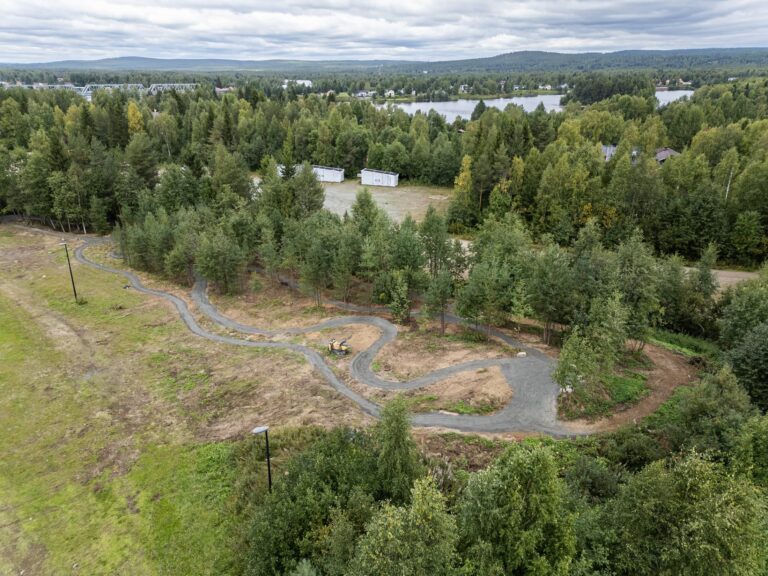
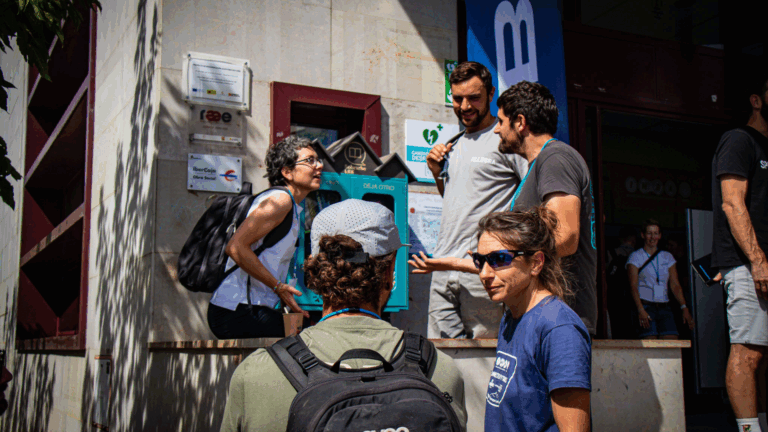
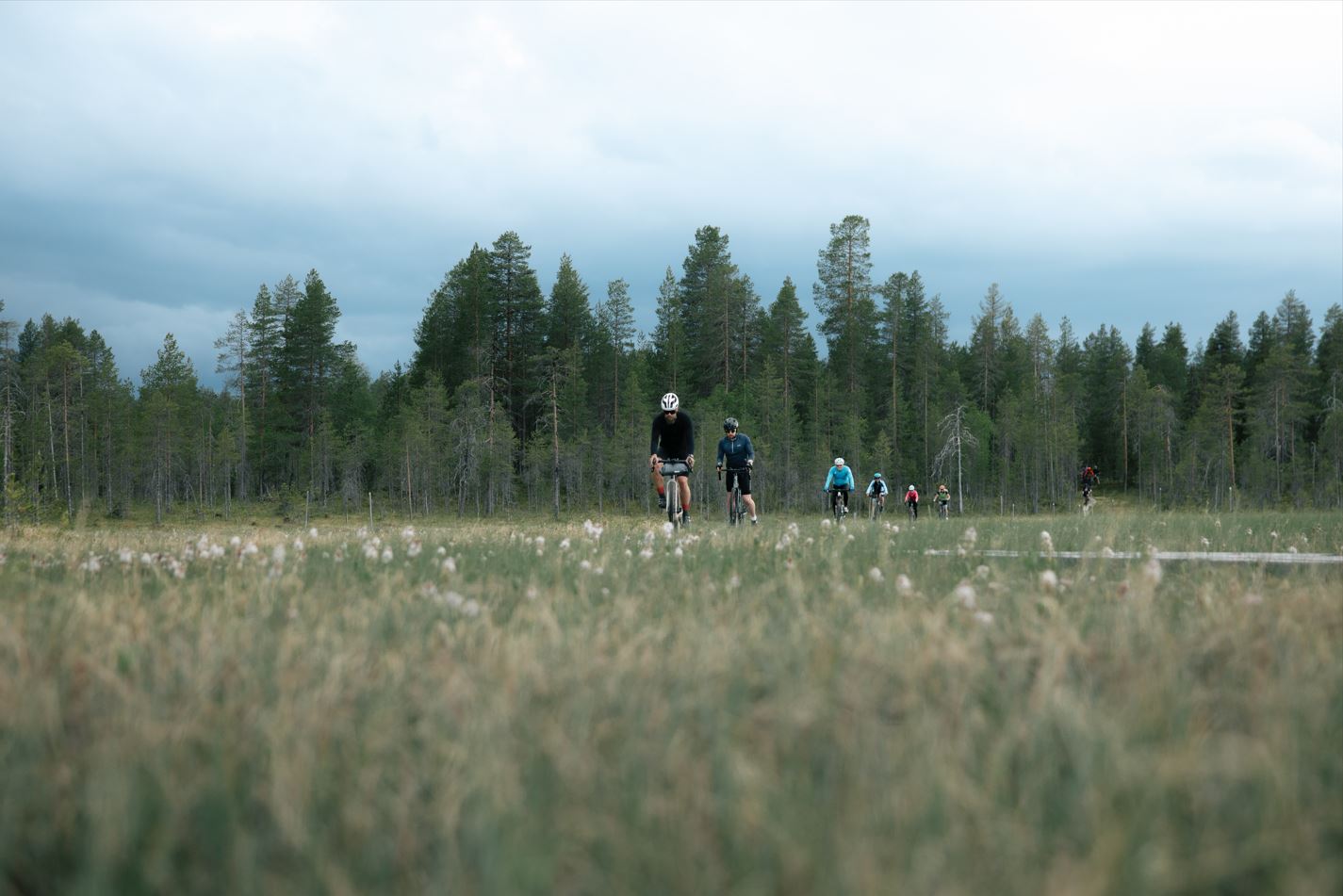
Regional examples show how this works in practice: At Las Ciclistas in Graubünden, over 400 women from all cycling disciplines participated in 2025 – a clear indication of demand and target group relevance. The gravel bike network in Ruka Kuusamo, Finland, which strategically links infrastructure, services, and destinations, has also been successfully implemented.
INFRASTRUCTURE AND OFFERS AT A GLANCE
For regions to benefit from this trend, clear structures and service offerings are crucial. The most important points:
- Defined route guidance and GPS-based route information
- Rental stations and maintenance services
- Introductory offers, guided tours and target group-specific programs
- Integration of all measures into an overarching strategic plan
This combination of infrastructure, services, and targeted AOfferings increase visibility, pool demand, and lower entry barriers.
AUCH AT GRAVEL BIKING APPLIES:
TRAILS, SERVICES, IDENTITY
As in the mountain biking sector, gravel biking also demonstrates that targeted investments in experience quality, infrastructure, and service development can achieve measurable results. The approach of „"Return on Adventure"“ This can be directly transferred: Existing resources are used efficiently, new target groups are addressed, and regional value creation is increased.
Gravel riding is therefore not a short-term trend, but a long-term relevant topic for regions that want to strategically develop outdoor tourism. By combining the use of nature, social experiences, and economic potential, an offering is created that is sustainably effective for both guests and destinations.
Interested in implementing gravel biking in your region? Contact our team directly: